
12 Beginner Homestead Mistakes to Avoid
12 Beginner Homesteader Mistakes to Avoid: A Guide to Starting Your Small Farm Journey
Most beginner homesteaders jump in thinking they've got it all figured out—until mistakes start piling up. Setting up a small farm or going off grid isn't as simple as it looks, and some missteps can cost you time, money, and sanity. I've gathered 12 crucial mistakes to avoid that new homesteaders often overlook, so you can start your rural adventure on the right foot. Let's break them down and help you keep your farm running smoothly from day one.
Practical Mistakes That Can Derail Your Homestead
1. Not Properly Securing Your Animals
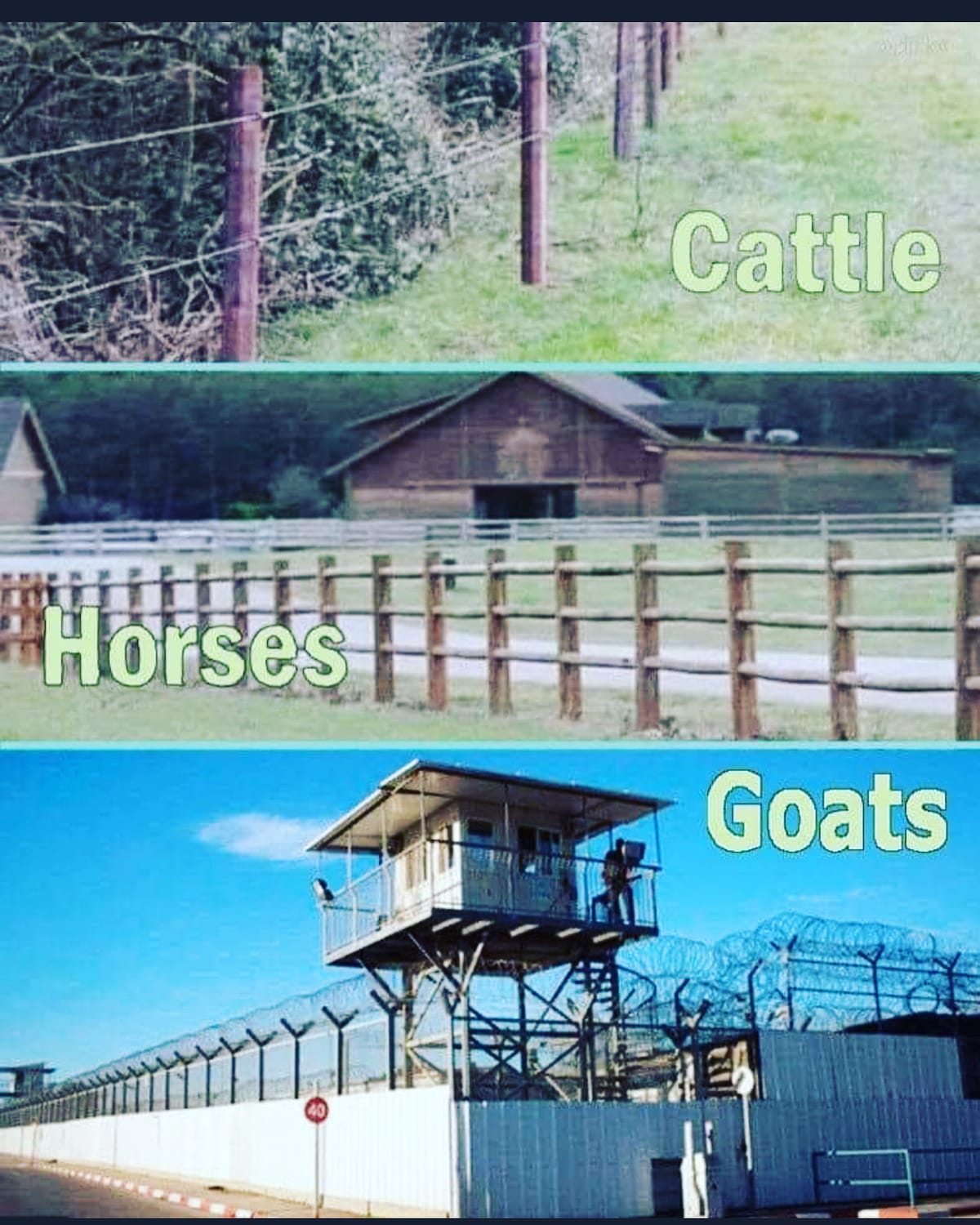
Nothing will test your patience like animals that constantly escape.
Chickens fly over fences, goats squeeze through impossibly small gaps, and even the most docile cow will wander if given the chance. Proper fencing isn't just about keeping animals in - it's about keeping predators out and protecting your investment.
Before bringing any animals home, research proper containment methods for each species.
Chickens need secure coops with proper mesh, goats require strong fencing (and maybe electric wire), and all animals need protection from local predators. Watching your animals' behavior will show you exactly where your weak spots are.
2. Ignoring Local Regulations
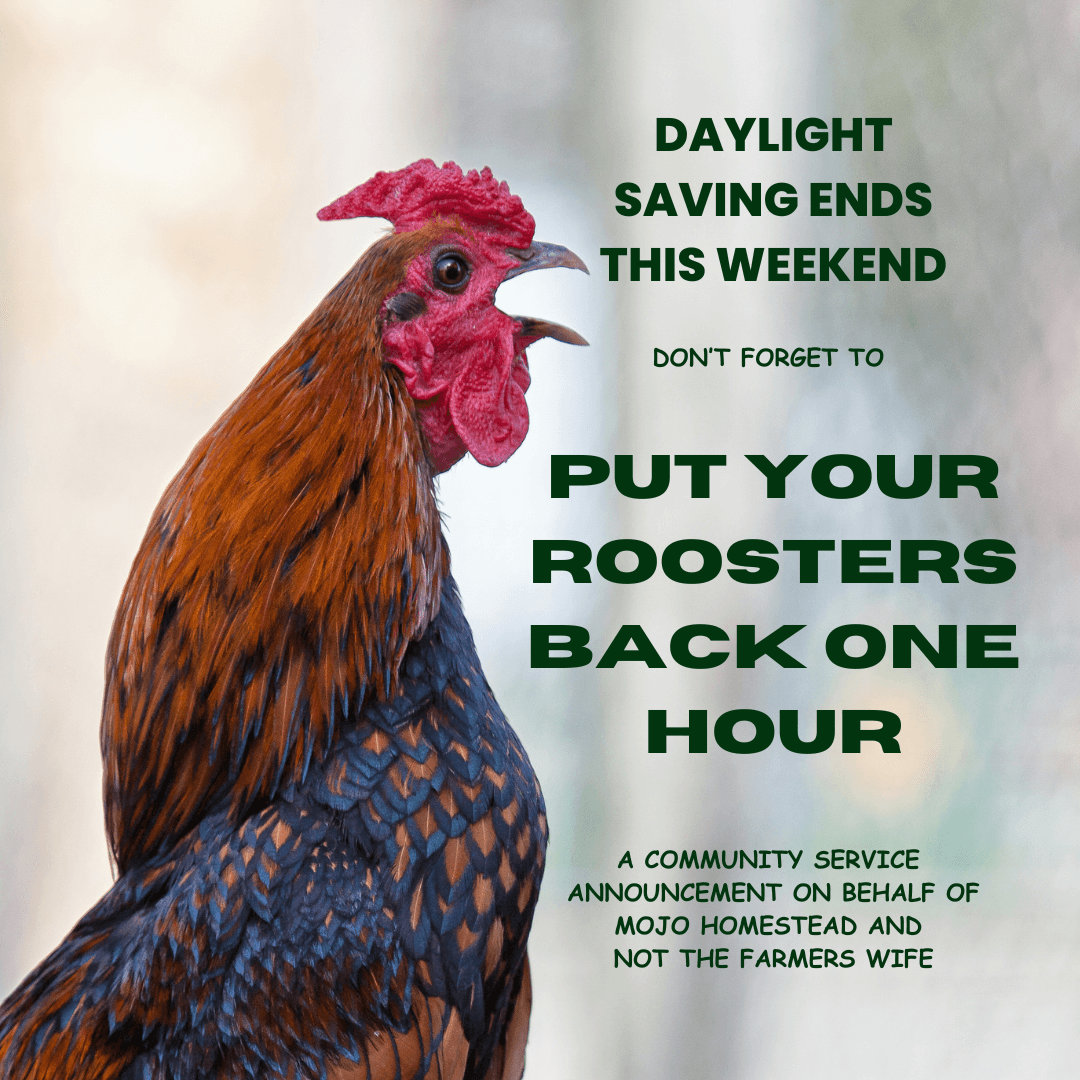
Many new homesteaders get so excited about their rural freedom that they forget to check what's actually allowed.
Building permits, animal restrictions, water rights, and zoning laws vary wildly between locations. Most urban areas restrict roosters being kept.
Before starting projects or bringing home animals, check with your local council or county office about restrictions.
If rules seem unreasonable, work through proper channels to change them rather than risking fines or having to undo your hard work.
3. Underestimating Water Needs
Water is the lifeblood of any homestead, and running short is a crisis you don't want to face.
Gardens, animals, cleaning, and your household all require reliable water sources.
Invest in the largest rainwater tanks you can afford, consider multiple water collection points, and track your usage to understand your needs.
For off-grid properties, redundant water systems are a must. Remember that summer needs will be much higher than winter, so plan accordingly.
4. Skipping Pest and Disease Prevention
New homesteaders often wait until there's a problem before addressing pests and diseases.
By then, it's usually too late or much harder to manage. Internal parasites in livestock, garden pests, rodents in feed storage - these issues require proactive management.
Create regular schedules for checking animal health, cleaning pens, and monitoring plants.
Learn the early warning signs of common problems in your area and have solutions ready before you need them.
5. Poor Record Keeping
When you're juggling dozens of homestead tasks, memory alone won't cut it.
Without good records, you'll forget which varieties grew well, when animals were bred, what treatments worked, and whether you're actually saving money.
Start simple with a dedicated notebook or digital system to track planting dates, animal breeding, egg production, expenses, and other critical information.
This data becomes invaluable as your homestead grows.
Mindset Mistakes That Lead to Burnout
6. Doing Too Much Too Fast

This might be the biggest killer of homesteading dreams. The excitement of starting leads many people to take on chickens, goats, a huge garden, beekeeping, and cheesemaking all at once.
Then reality hits - each new skill takes time to master, and each new animal or crop needs consistent care.
Start with just one or two projects. Master them before adding more. If something doesn't bring you joy or value, it's okay to drop it and focus elsewhere.
There's no rule that says you must do everything to be a "real" homesteader.
7. Romanticizing the Lifestyle
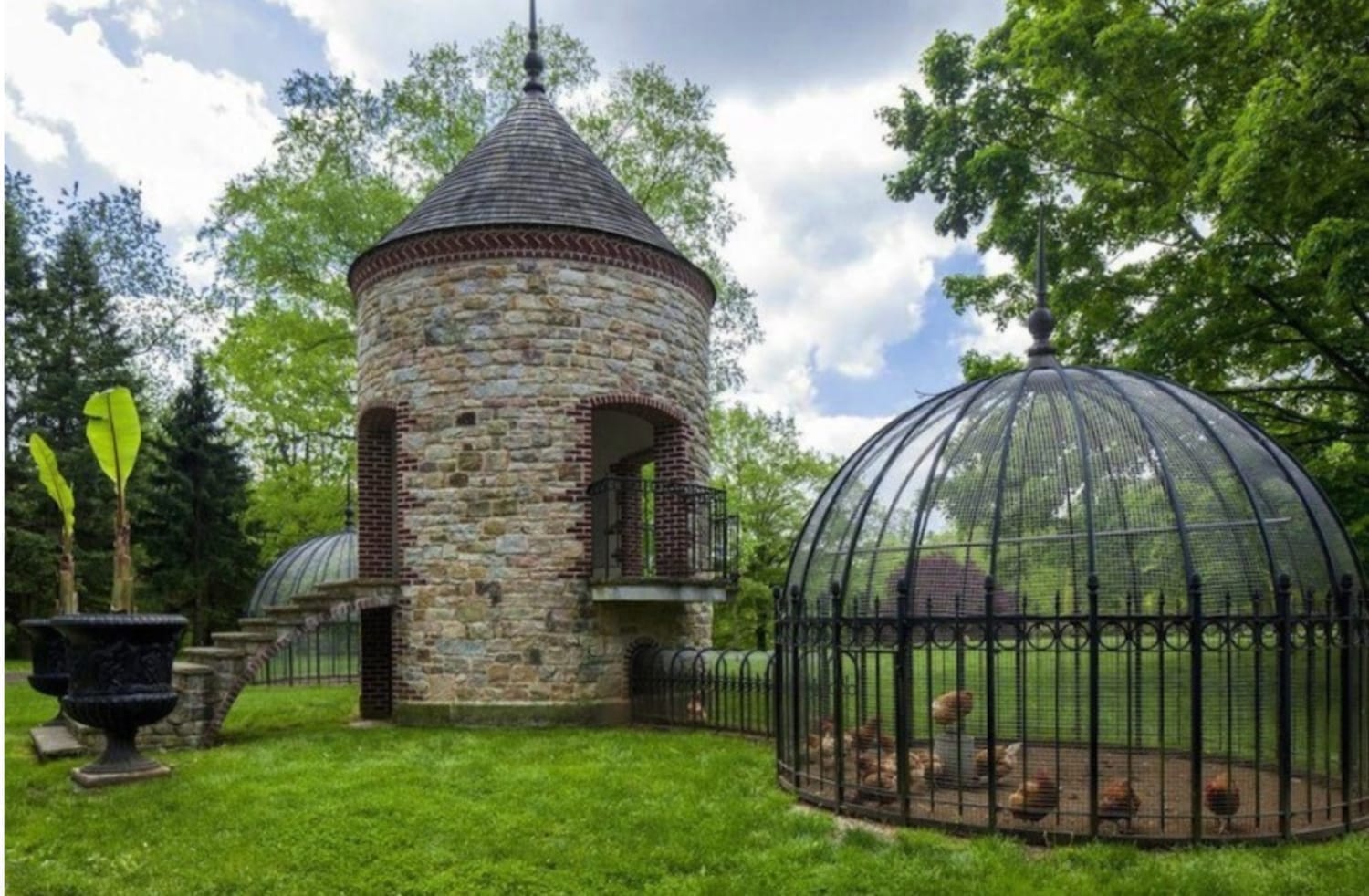
Social media makes homesteading look like peaceful mornings collecting eggs in a sundress with perfectly behaved animals in the background.
The reality? You'll be covered in mud and manure, fixing broken fences, and dealing with sick animals at 2 AM.
Homesteading is rewarding but rarely glamorous.
Focus on the real wins - like knowing where your food comes from, teaching your children valuable skills, and building resilience - rather than trying to create Instagram-perfect moments.
8. Analysis Paralysis
Some people get stuck in endless research mode, waiting for the perfect time, perfect weather, or perfect setup.
They watch hundreds of YouTube videos but never actually plant a seed or build a chicken coop.
Research is valuable, but at some point, you need to start doing. Accept that you'll make mistakes and learn from them.
Practical experience teaches more than any book or video ever will.
9. Comparing Yourself to Others
When you see other homesteaders with full dairy setups, beautiful gardens, and seemingly endless skills, it's easy to feel inadequate. Remember that most people share their successes, not their failures.
Every homestead is unique, and your journey doesn't need to look like anyone else's.
Focus on your own progress and celebrate small wins instead of measuring yourself against others.
Lifestyle Mistakes That Create Frustration
10. Not Factoring in Time Limits
Many people try to squeeze a full-time homestead into an already busy life with jobs, kids, and other commitments.
This leads to exhaustion, resentment, and eventually giving up.
Be realistic about your available time. If you work full-time, start small with manageable projects.
Schedule farm tasks like any other important appointment, and don't forget to include downtime for yourself.
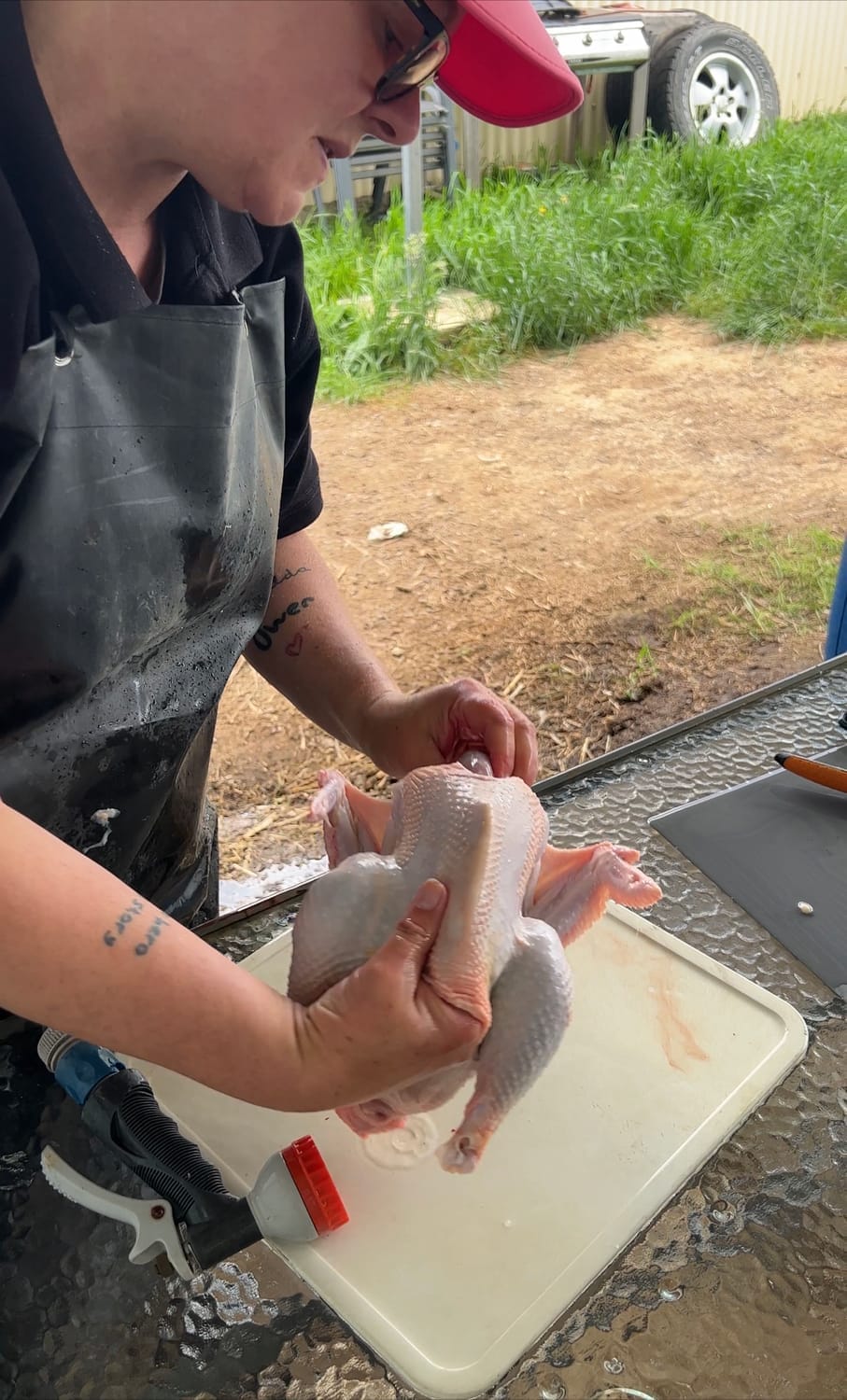
11. Not Including Family in the Decision
If your partner or family isn't on board with homesteading, you're setting yourself up for conflict.
When one person is passionate while others are reluctant, resentment grows on both sides.
Have honest conversations about expectations, workload, and goals before starting.
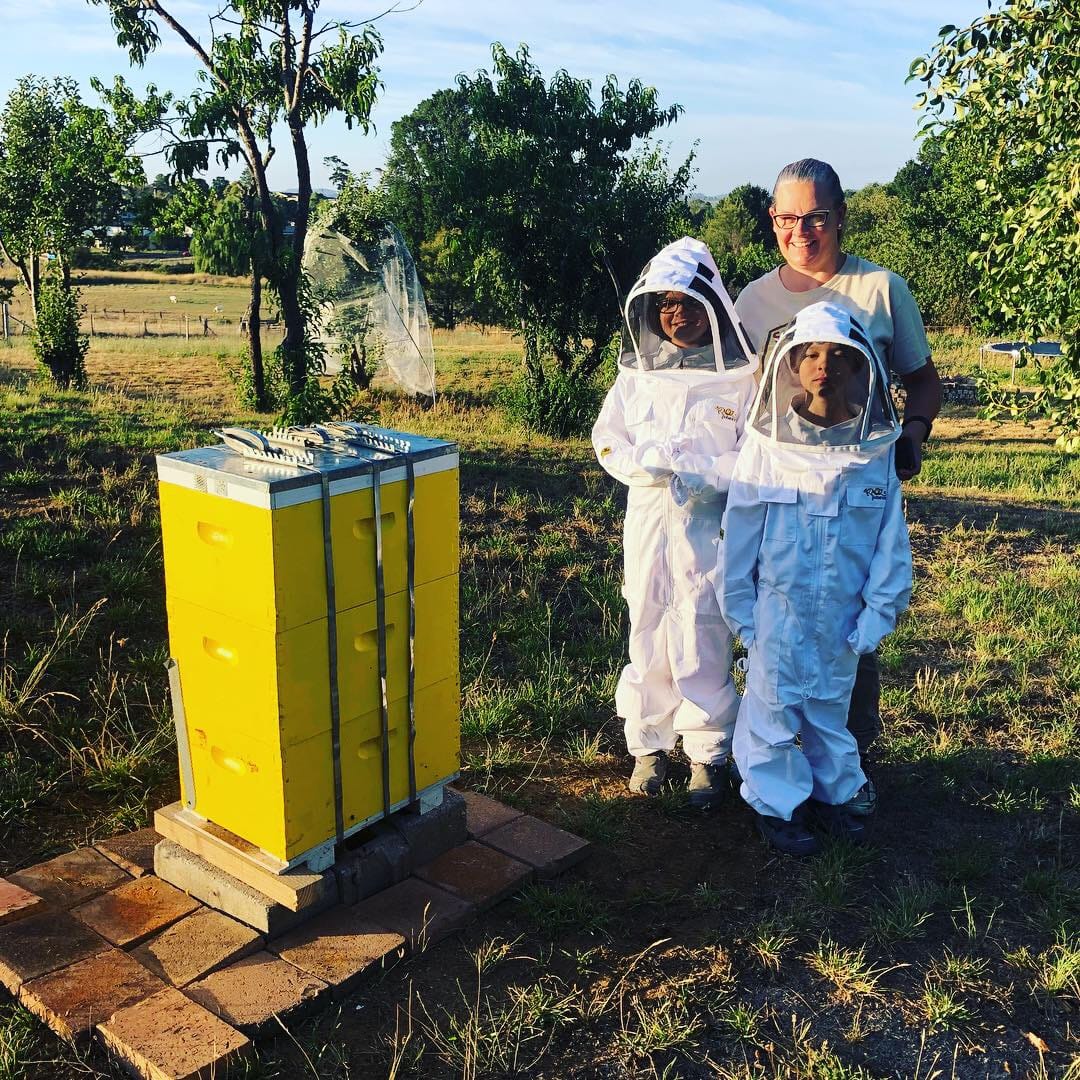
Find compromises that work for everyone, and assign age-appropriate tasks that get the whole family involved.
Children often love helping with animals and harvesting, which builds valuable life skills.
12. Forgetting to Budget
Homesteading requires upfront investment before you see returns.
Tools, fencing, animals, feed, and infrastructure all cost money. While you'll save in the long run, the initial expenses can be shocking.
Track all expenses to understand your true costs. Some things (like fencing) are one-time investments, while others (like feed) are ongoing.
Always maintain an emergency fund for unexpected vet bills or equipment failures.

Starting Your Small Farm the Right Way
Beginning your homesteading journey doesn't have to be overwhelming. By avoiding these common mistakes, you'll save yourself stress, money, and disappointment.
Remember that homesteading is a marathon, not a sprint - building skills and systems over time leads to sustainable success.
Start with what excites you most, whether that's a small vegetable garden, a few chickens, or learning to preserve food. Master those skills before expanding.
Be patient with yourself and your land as you learn together.
The most successful homesteaders aren't the ones with the biggest farms or the most animals - they're the ones who find joy in the process, adapt to challenges, and create a lifestyle that truly works for their family.
Are you a beginner homesteader? Which of these challenges resonates most with you?
I'd love to hear about your experiences in the comments!
Want to Ditch the Store and Produce More of Your Own Food?
Join the Mojo Homestead community for practical homesteading tips, backyard chicken advice, seasonal gardening inspiration, and simple ways to build a more self-sufficient lifestyle.
Because every egg you collect yourself is one less reason to rely on the supermarket.


BY MOJO HOMESTEAD