
Building a Predator-Proof Coop
Predator Proof Chicken Coop:
How to Protect Your Chickens from Foxes, Dogs & More
If you only get one thing right when starting with chickens… make it this.
A predator proof chicken coop isn’t about looking pretty. It’s about keeping your flock alive.
I’ve seen the “Taj Mahal” style coops floating around online—multiple levels, little walkways, looks like a luxury Airbnb for chooks. And sure, they look awesome.
But here’s the truth…
You don’t need fancy.
You need functional, strong, and predator-proof.
Because predators don’t care how cute your coop is.

Why Predator Proofing Your Coop Matters (More Than You Think)
Let’s not sugar coat it—if you have chickens, you will have predators.
Doesn’t matter if you’re on acreage or smack bang in suburbia.
We actually had more predator issues on a small block in town than we do now on a bigger property. Go figure.
And the worst part?
Most attacks happen because of simple things that were missed.
Not complicated mistakes. Just gaps, weak wire, or poor setup.
The Most Common Chicken Predators (Australia & Beyond)
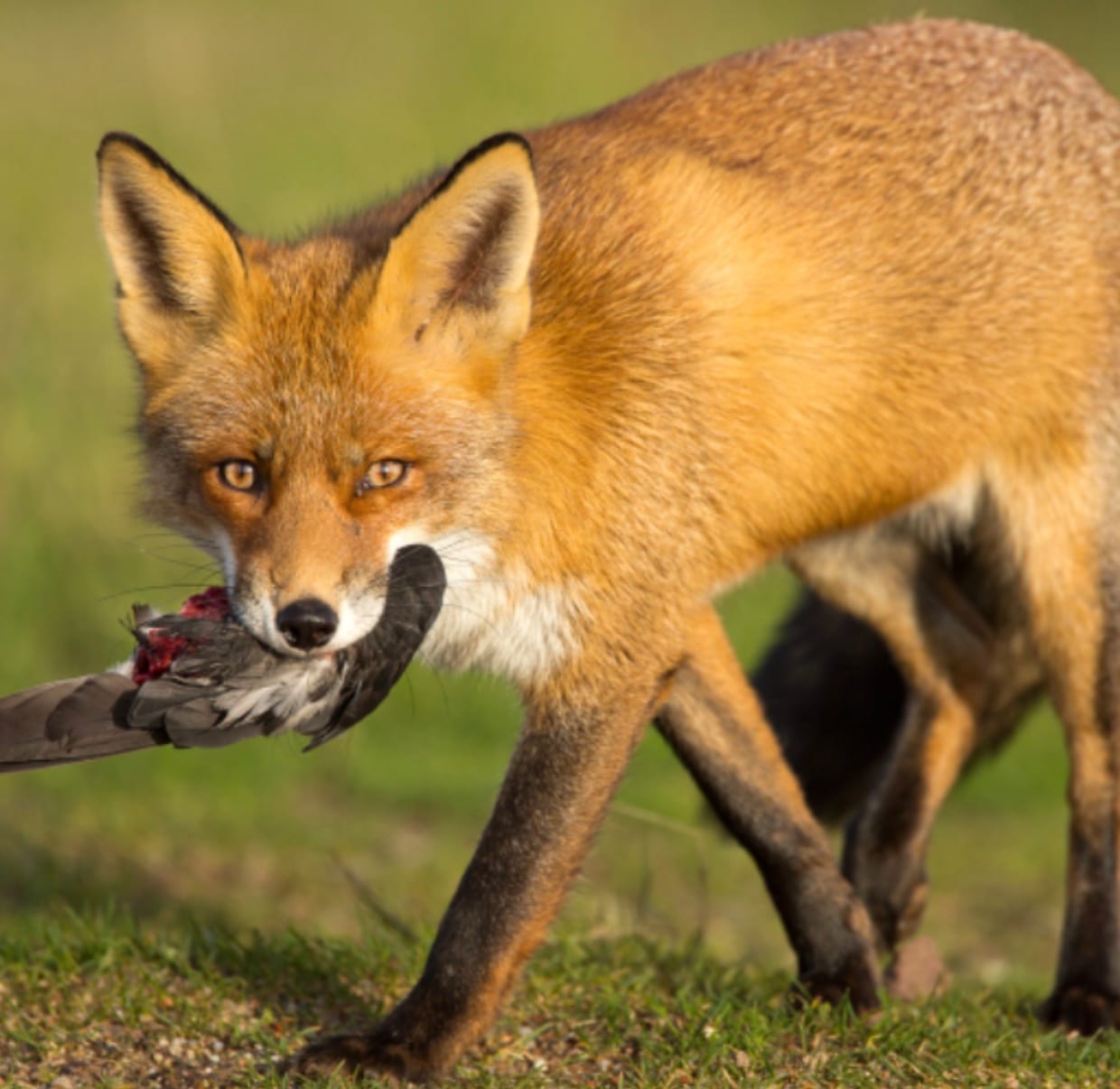
Most people immediately think of foxes.
Yep… they’re a problem. But they’re not the only one.
Here’s what you’re really dealing with:
In Australia:
Foxes
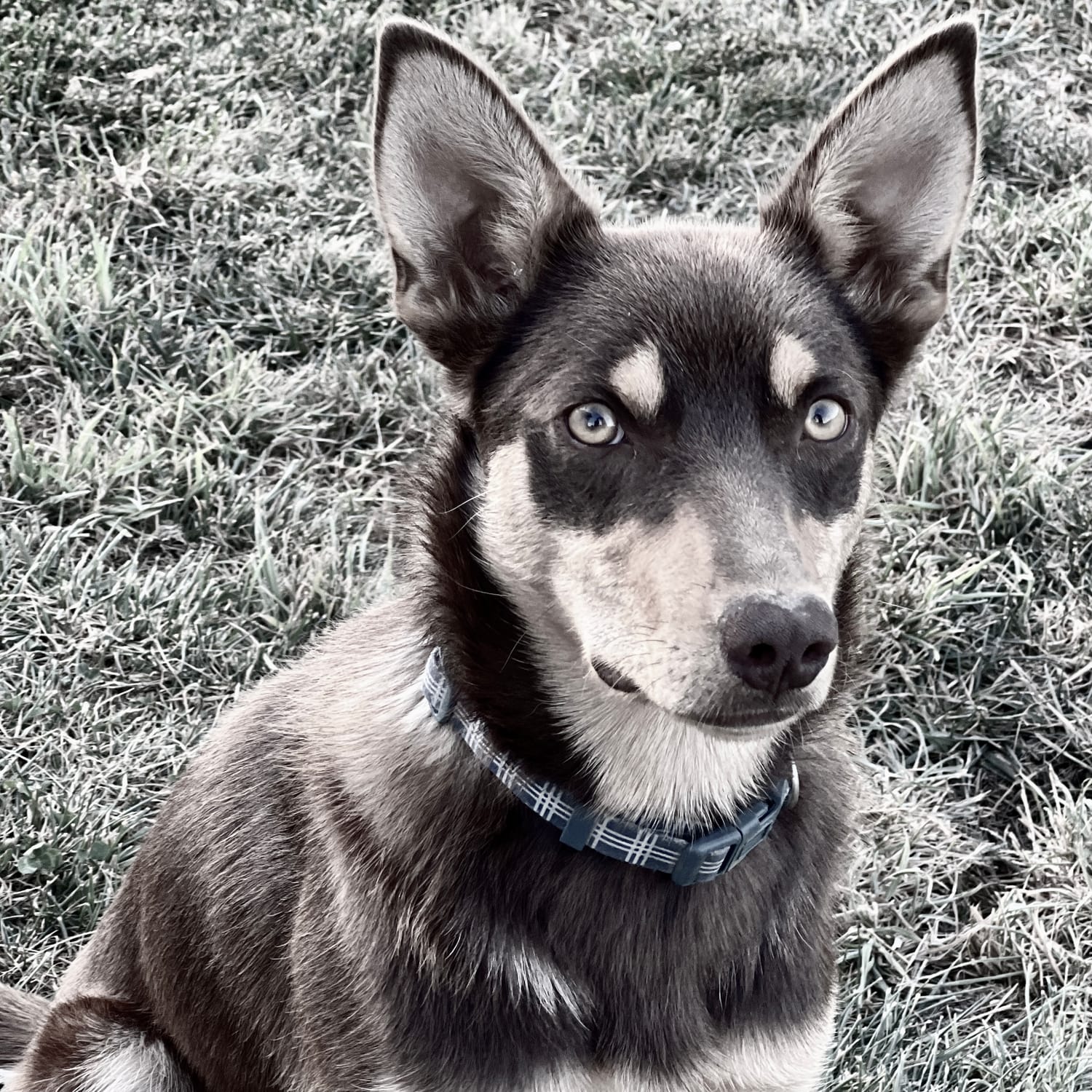
Domestic dogs (biggest issue, hands down)
Snakes (usually after eggs)
Hawks & eagles
Rats (especially with chicks)
Overseas (Northern Hemisphere):
Raccoons
Weasels
Bears (yikes)
Bobcats
Wolves
But let me say this loud and clear…
We’ve lost more chickens to domestic dogs than anything else.
Not foxes. Not snakes.
Dogs.
And they don’t kill for food—they kill for fun. That’s the brutal part.
How Predators Actually Get Into Your Coop
If you understand this, you’re already ahead.
Predators don’t magically appear inside your coop.
They:
Dig under fences
Climb over
Push through weak wire
Squeeze through gaps
Open dodgy latches
And if they can see, smell, or hear your chickens…
They’ll keep coming back.
The 5 Non-Negotiables for a Predator Proof Chicken Coop
This is the stuff that actually matters. Not the Pinterest fluff.
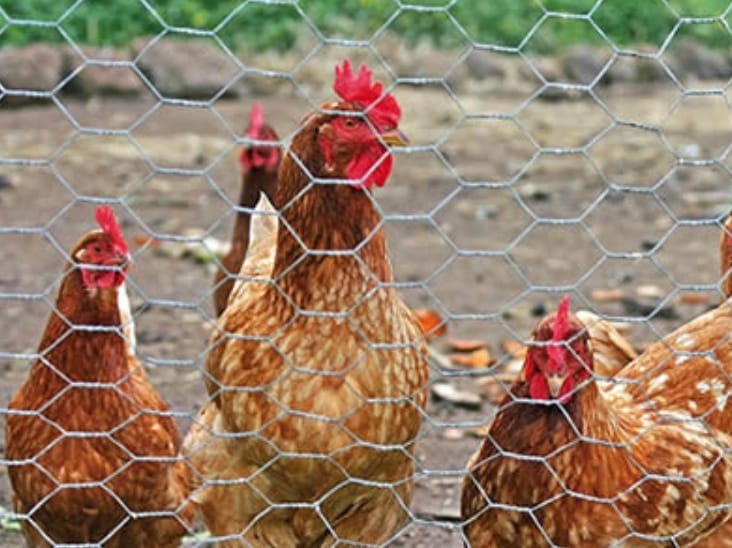
1. Use Strong Wire (Not Chicken Wire)
Chicken wire keeps chickens in.
It does NOT keep predators out.
You want:
Welded mesh
Small gaps (around 1–2.5cm)
Strong enough that you can’t push your fist through it
If you can push through it… so can a predator.
2. Install a Wire Skirt (Stops Digging)
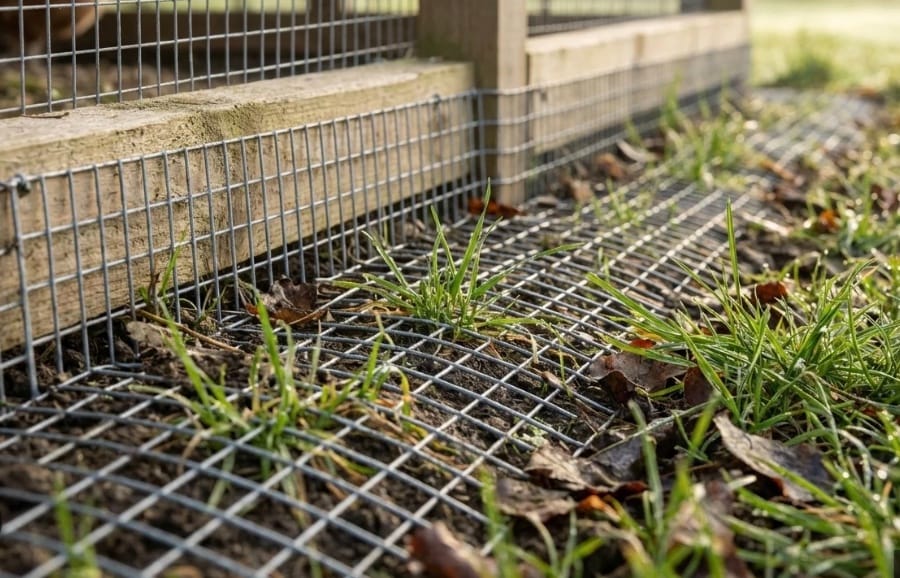
This is a game changer.
Run wire:
30–50cm out from the coop
Buried slightly into the ground (on an angle is even better)
So when something tries to dig…
They hit wire and give up.
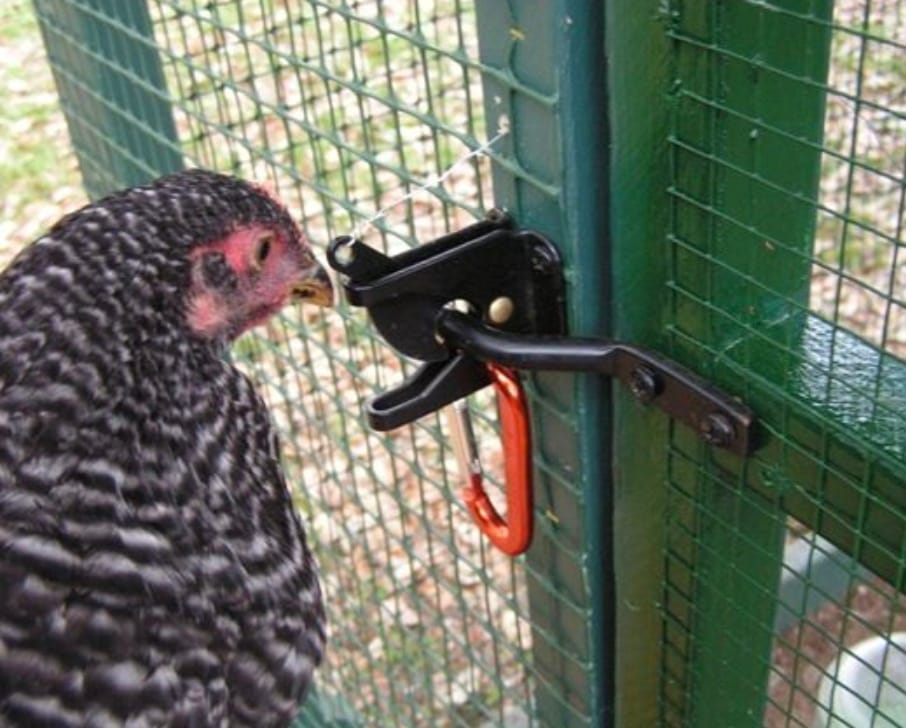
3. Secure Your Latches Properly
Predators are smarter than you think.
Some can:
Lift hooks
Slide bolts
Push doors open
Use:
Carabiners
Spring clips
Locking latches
Quick test?
If a 5-year-old can open it… it’s not predator proof.
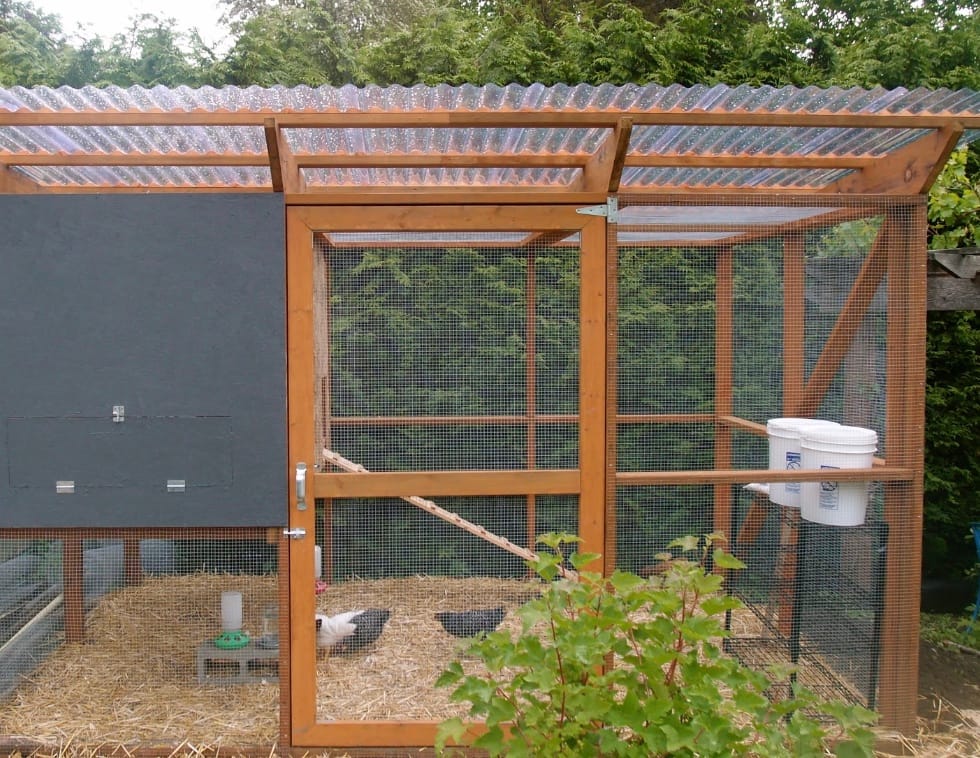
4. Cover the Top (Roof or Run)
This stops:
Hawks & eagles
Climbing predators
Wild birds (biosecurity win)
Options:
Chicken wire
Shade cloth
Solid roofing
Bonus: keeps feed dry and reduces disease risk.
5. No Gaps Bigger Than a Golf Ball
Seriously. None.
Check:
Under doors
Around nesting boxes
Between roof and walls
Around feeders
If there’s a gap… something will find it.
Where You Put Your Coop Matters Too
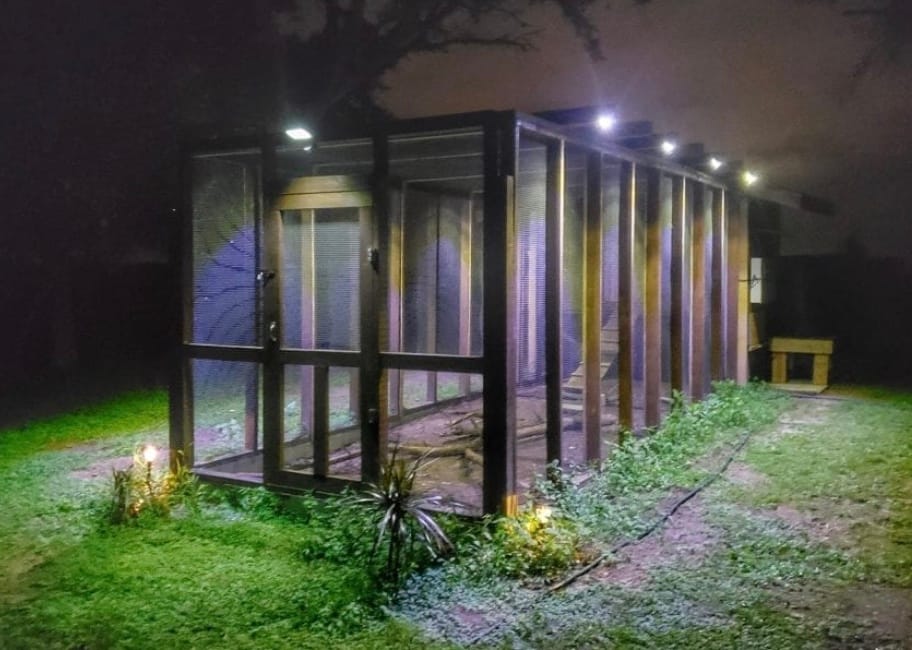
You can build the best coop in the world… and still get caught out by poor placement.
Here’s what works:
Close enough to the house to hear trouble
Not right under trees (climbing predators)
Away from thick bushes (hiding spots)
On well-drained ground (harder to dig)
And if you can…
Add sensor lights. They spook predators big time.
Build vs Buy: What Actually Works Better?
I’ll say it straight.
Most store-bought coops are not predator proof.
Why?
Because they’re:
Lightweight
Flat-packed
Built for convenience, not strength
You’ll end up reinforcing them anyway.
So if you can…
DIY your coop.
Use:
Recycled timber
Second-hand wire
Old roofing
It doesn’t need to be pretty.
It needs to be solid.
Daily & Weekly Habits That Keep Chickens Safe
This is the bit people skip.
And it matters just as much as the build.
Daily:
Lock the coop at night
Count your chickens
Clean up scraps
Weekly:
Walk the fence line
Check for digging
Inspect latches and wire
Seasonal:
Fix damage
Trim branches
Check buried mesh
One of our best hacks?
We put little bells along the fence line. Anything touches it—ding ding ding.
Our livestock guardian dog is onto it instantly.
Simple. Effective. Brilliant.
What Happens If a Predator Gets In?
It knocks you. Hard.
The first time it happens, you question everything.
But here’s the truth…
It happens to everyone at some point.
What matters is what you do next:
Fix the weak spot immediately
Lock things down tighter
Don’t beat yourself up
Because predators will come back if they got an easy win.
Final Thoughts: Don’t Make It Easy for Them
Predators are opportunistic.
They’re not looking for a challenge.
They’re looking for an easy feed.
So your job?
Make your coop the hardest option in the area.
Do that… and they’ll move on.
If you’re just getting started and want to do this properly from day one, this is exactly the kind of practical, no-fluff stuff I teach inside Mojo Homestead.
Because life’s too short to learn everything the hard way… especially when it comes to losing your chooks.
Want to Ditch the Store and Produce More of Your Own Food?
Join the Mojo Homestead community for practical homesteading tips, backyard chicken advice, seasonal gardening inspiration, and simple ways to build a more self-sufficient lifestyle.
Because every egg you collect yourself is one less reason to rely on the supermarket.


BY MOJO HOMESTEAD