
Chicken Problems & Fixes
Common Chicken Problems (And How to Fix Them Without Panicking)
So… something’s gone wrong with your chickens. They’ve stopped laying.
They look scruffy.
You’ve found a weird egg in the nesting box.
And your first thought is usually:
“Oh shit… what do I do?”
Take a breath.
Most chicken problems are common, fixable, and not nearly as dramatic as they look.
This guide will walk you through:
The most common chicken problems beginners face
What’s normal (and what’s not)
Practical fixes you can do yourself
Because honestly?
Chickens are one of the most capable and forgiving animals you can start with.
Before We Start: Vet or DIY? (Have This Conversation Early)
Let’s be real for a second.
You need to decide early:
What you’re willing to treat
What you’re not
Because when something goes wrong, you don’t want to be debating:
“Do we spend $1000 on a $30 chicken?”
For most small homesteads:
Minor issues → manage yourself
Serious suffering → humane dispatch
Rare cases → vet
There’s no right answer.
But you need a clear plan before problems hit.
1. “Why Have My Chickens Stopped Laying?”
This is the #1 panic moment for beginners. Good news?
It’s usually completely normal.
Common Reasons Chickens Stop Laying
Seasonal Changes (Biggest One)
Less daylight = fewer eggs
More daylight = more eggs
It’s built into their biology.
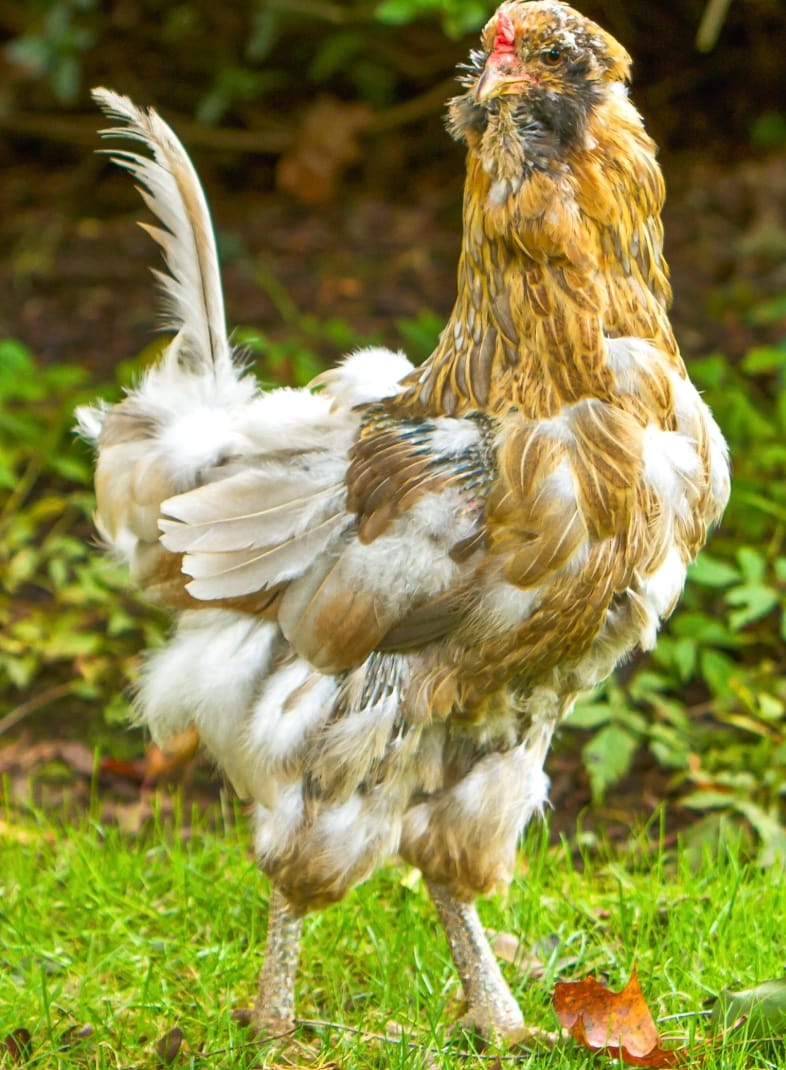
Moulting (Feather Reset Mode)
Chickens drop feathers
Look scruffy (sometimes shocking 😅)
Stop laying temporarily
Why?
All their energy goes into growing new feathers, not eggs.
Age
Young hens = peak production
Older hens = slower, less frequent laying
Totally normal.
Stress
Can be caused by:
Moving coops
New flock members
Predator scares
Lack of water or food
Even small stress = drop in egg production.
Nutrition Issues
Big mistake beginners make:
Too much scratch mix
Not enough proper feed
Fix:
Use quality layer pellets
Always provide fresh water
What To Do
Don’t panic
Check food, water, and environment
Give them time
They will come back into lay.
2. Weird Eggs (Totally Freaky… Totally Normal)
You will eventually find an egg and think:
“What on earth is THAT?”
Let’s break it down.
Types of Weird Eggs
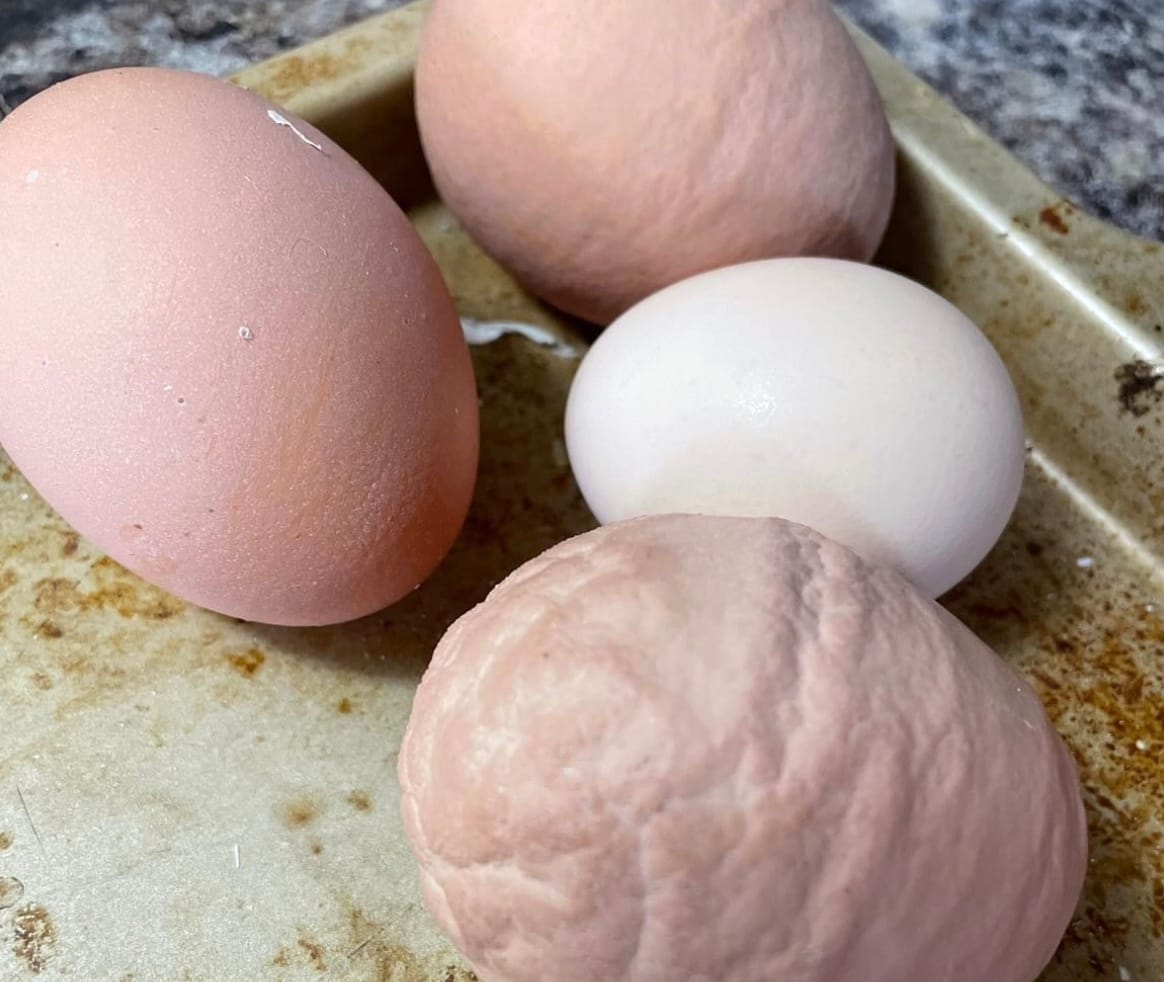
Soft Shell Eggs
Rubbery or thin shell
Often see the yolk through it
👉 Usually calcium deficiency or young hens
Shell-less Eggs
Just membrane and yolk
👉 Rare, but happens
Double Yolkers
Two yolks in one egg
👉 Not a problem—actually a win 🎉
Fairy Eggs (Tiny Eggs)
Super small eggs
Often from young hens
👉 Completely normal early on
Wrinkled or Misshapen Eggs
Rough, uneven shell
👉 Often older hens or hormonal changes
How to Fix Egg Issues
Provide oyster shell (calcium)
Use quality feed
Reduce stress
Be patient (especially with young hens)
3. Feather Loss (When It Looks Worse Than It Is)
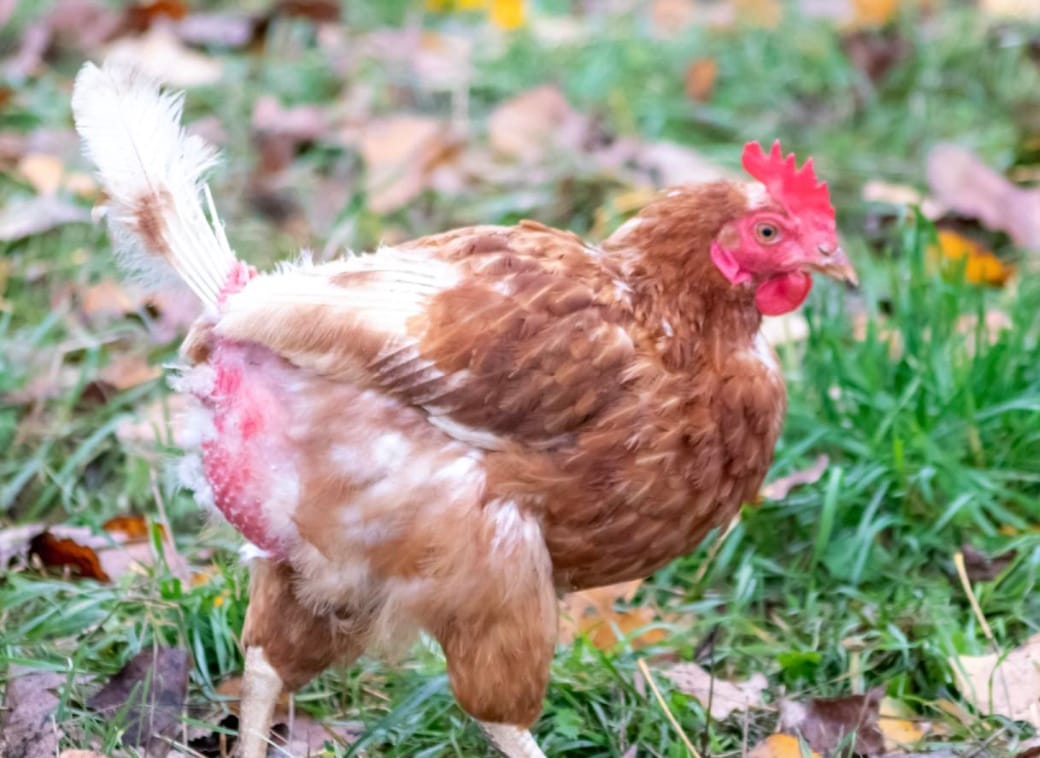
Feathers everywhere? Chickens looking rough?
First thought: predator.
Reality (most of the time):
They’re moulting.
Normal Moulting Signs
Feathers all over the coop
Patchy, scruffy birds
Reduced egg production
This is just a reset.
What To Do During Moulting
Increase protein (up to ~20–21%)
Add vitamins to water
Worm and check for parasites
Be patient
It can last:
4–8 weeks
When Feather Loss Is NOT Normal
If only one bird is affected:
Possible Causes:
Bullying
Aggressive rooster
Mites or lice
Then you need to act.
4. Bullying in Chickens (Understanding Pecking Order)
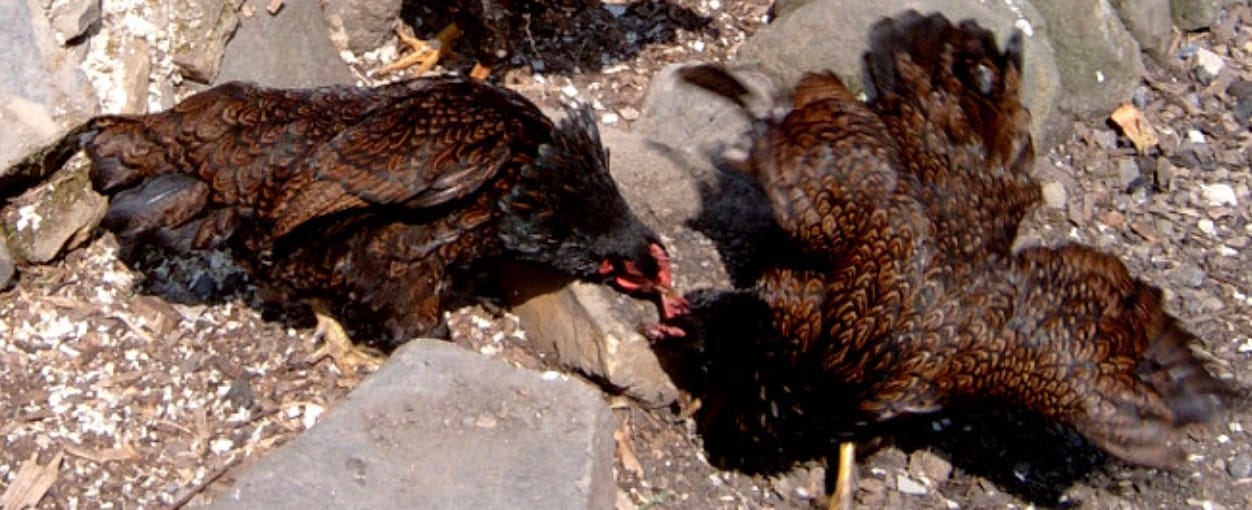
Chickens have a strict hierarchy. It’s called the pecking order—and it’s real.
Signs of Bullying
One hen chasing another
Feather pecking
One bird being targeted
Common Causes
Overcrowding
Boredom
Introducing new chickens
Limited feeders
How to Fix Bullying
Give them more space
Add extra feeders/water points
Provide enrichment (hang veggies, add perches)
Introduce new birds slowly
Quick Fix for a Bully
Isolate the bully (crate method) for 24 hours
Reintroduce
If it continues:
Rehome or dispatch
5. Egg Eating (Frustrating but Fixable)
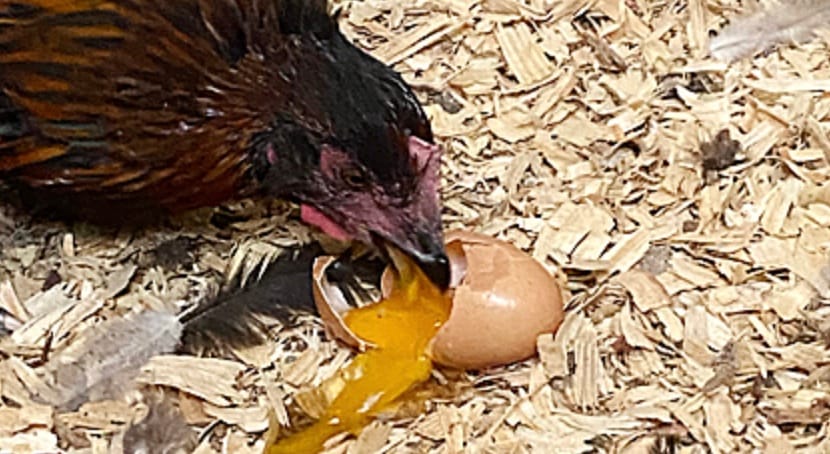
You go to collect eggs… And find broken shells.
Yep. Egg eating.
Why Chickens Eat Eggs
Boredom
Nutritional deficiency
Curiosity
How to Stop It
1. Collect Eggs Daily
Don’t leave temptation sitting there.
2. Improve Diet
Add calcium
Use proper feed
3. Use Rollaway Nest Boxes
Egg rolls away → chicken can’t reach it
4. Use Fake Eggs (Best Trick)
Replace eggs with concrete or fake eggs
Hen pecks → can’t break it
Habit breaks quickly
6. Parasites (Mites & Lice)
Every chicken owner deals with this at some point. It’s normal—but needs managing.
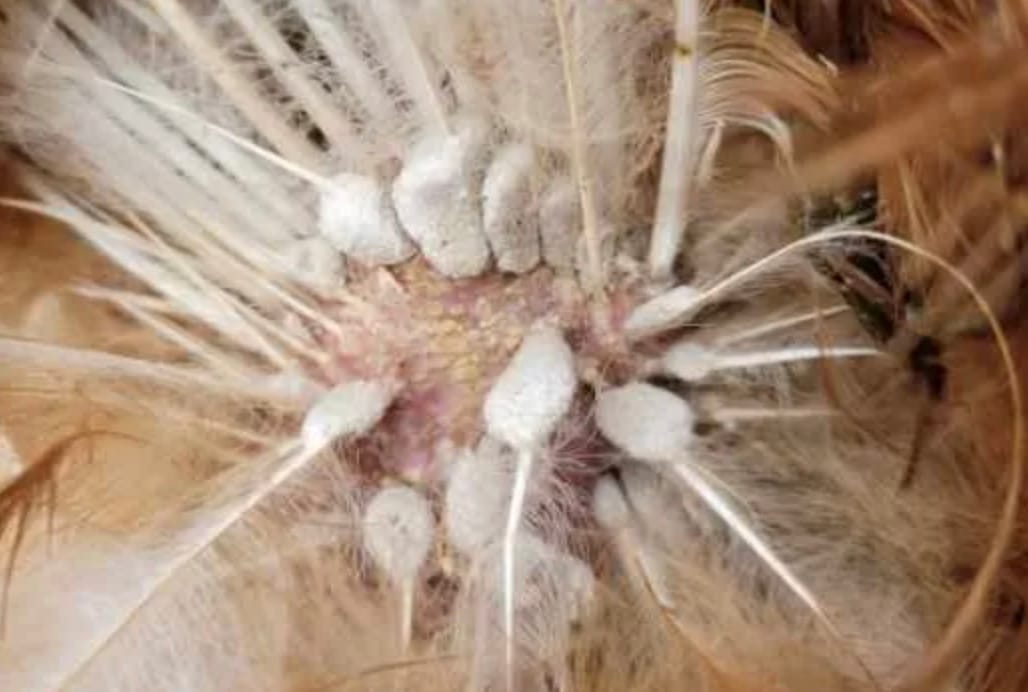
Signs of Parasites
Constant scratching
Feather damage
Pale comb
Dirty vent
How to Check
Look at base of feathers
You may see tiny crawling bugs
How to Treat
1. Dust Chickens
Use poultry dust or lice powder
2. Clean the Coop (Critical Step)
Remove bedding
Wash everything
Replace with fresh material
3. Repeat in 2 Weeks
Break the life cycle
Preventative Tip
Provide a dust bath:
Sand
Ash
Diatomaceous earth
Chickens will self-clean.
When You Should Actually Worry
Most issues are manageable.
But these are red flags:
Lethargy (not moving, isolated)
Not eating
Breathing issues
Severe injuries
Rapid weight loss
What To Do
Isolate the bird immediately
Observe closely
Decide: treat, vet, or humane dispatch
Final Thoughts: Stay Calm, Stay Practical
Here’s the truth:
Chickens will always throw something at you.
But most of it?
Normal
Fixable
Part of the learning curve
You don’t need to panic.
You just need to understand what you’re looking at.
Your Action Plan
Observe your flock daily
Learn what’s “normal” for your birds
Keep feed, water, and coop conditions consistent
Act early when something looks off
And remember… There’s always someone who’s dealt with it before.
You’ve got this.
Want to Ditch the Store and Produce More of Your Own Food?
Join the Mojo Homestead community for practical homesteading tips, backyard chicken advice, seasonal gardening inspiration, and simple ways to build a more self-sufficient lifestyle.
Because every egg you collect yourself is one less reason to rely on the supermarket.


BY MOJO HOMESTEAD