
Cool Season Gardening
Cool Season Gardening: What to Grow (and How to Actually Keep It Alive) This Winter
Most people shut the garden down in autumn, pull everything out, and wait for spring. And honestly? That's a waste of a perfectly good growing season.
Winter gardening isn't harder than summer gardening — it's just different. Slower, simpler, and with way fewer pests trying to eat everything before you do.
If you've never tried growing through the cold months, this is your sign to give it a crack.
Even one garden bed. Even just garlic and spinach. You might surprise yourself.
What Actually Changes in a Winter Garden
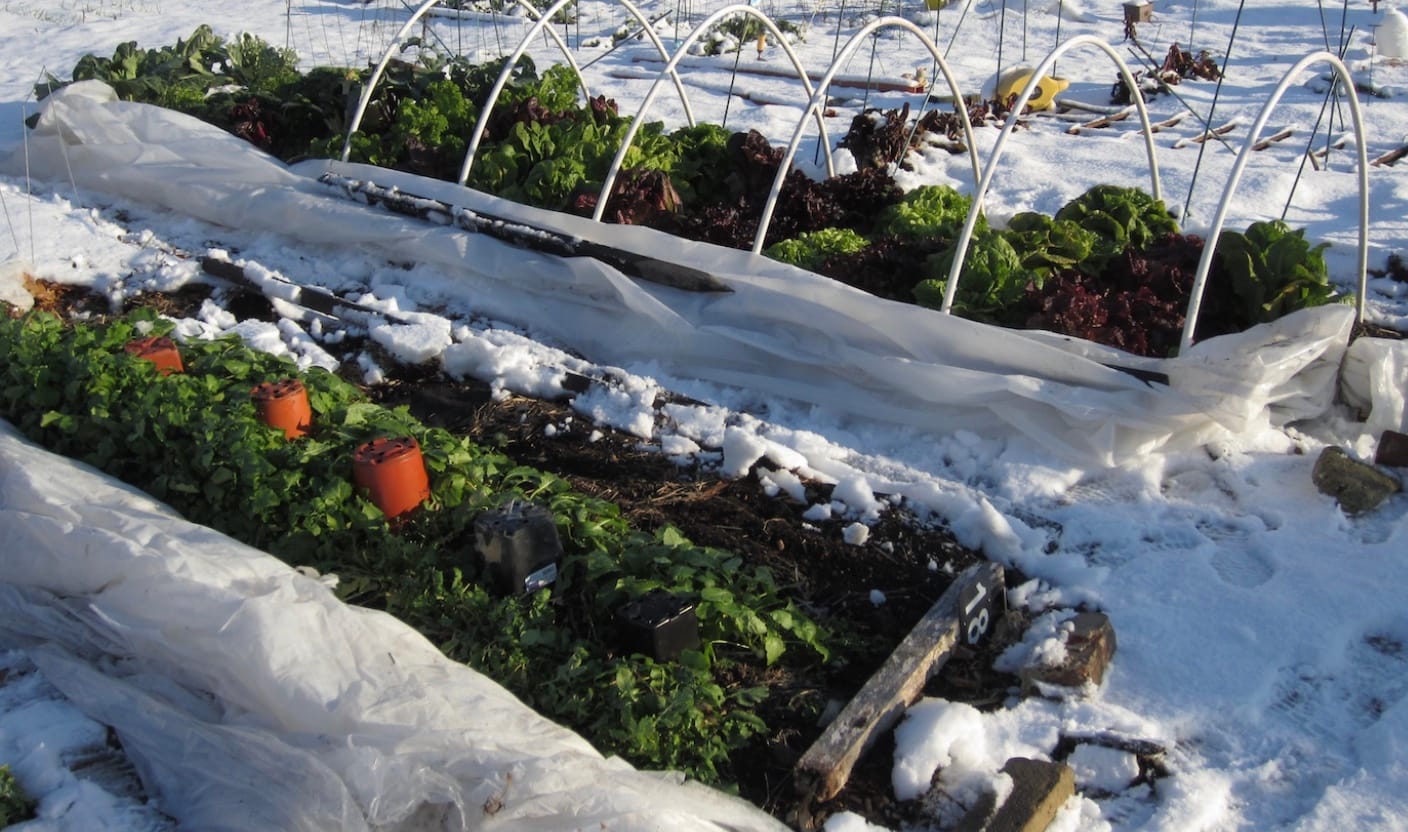
Before you plant a single thing, it helps to understand what's different — because this is where beginners trip up.
Growth slows right down. Something that took six weeks to mature in summer might take ten to twelve weeks in winter. That's not a failing garden, that's just physics. The cold slows everything down — including the plants. Give them time and resist the urge to pull them out because they're "not doing anything."
Less watering, not more. With cooler temperatures and less evaporation, the soil holds moisture for much longer. Over-watering is actually your biggest risk in winter — soggy roots rot fast. When in doubt, don't water. A slightly dry plant will bounce back. A rotted root system won't.
Fewer pests — but not zero. The nasty summer insects mostly disappear, which is a genuine relief. But slugs, snails, and caterpillars don't care about the cold. If you're growing brassicas (broccoli, cabbage, cauliflower), watch out for cabbage moths. An old wire coat hanger bent into a bow shape with a white plastic bag tied to it — shaped like a butterfly — is a surprisingly effective deterrent. Don't ask me the science, it just works.
Soil health matters more than ever. In winter, your plants can't pull as many nutrients from sun, warmth, and air. They're relying heavily on what's in the soil. This is why compost before planting isn't optional — it's everything.
What to Grow This Winter
The key rule: only grow what your family will actually eat. There's no point standing in the freezing cold harvesting kale if everyone in your house hates kale.
Leafy Greens (Fast-Growing, Beginner-Friendly)
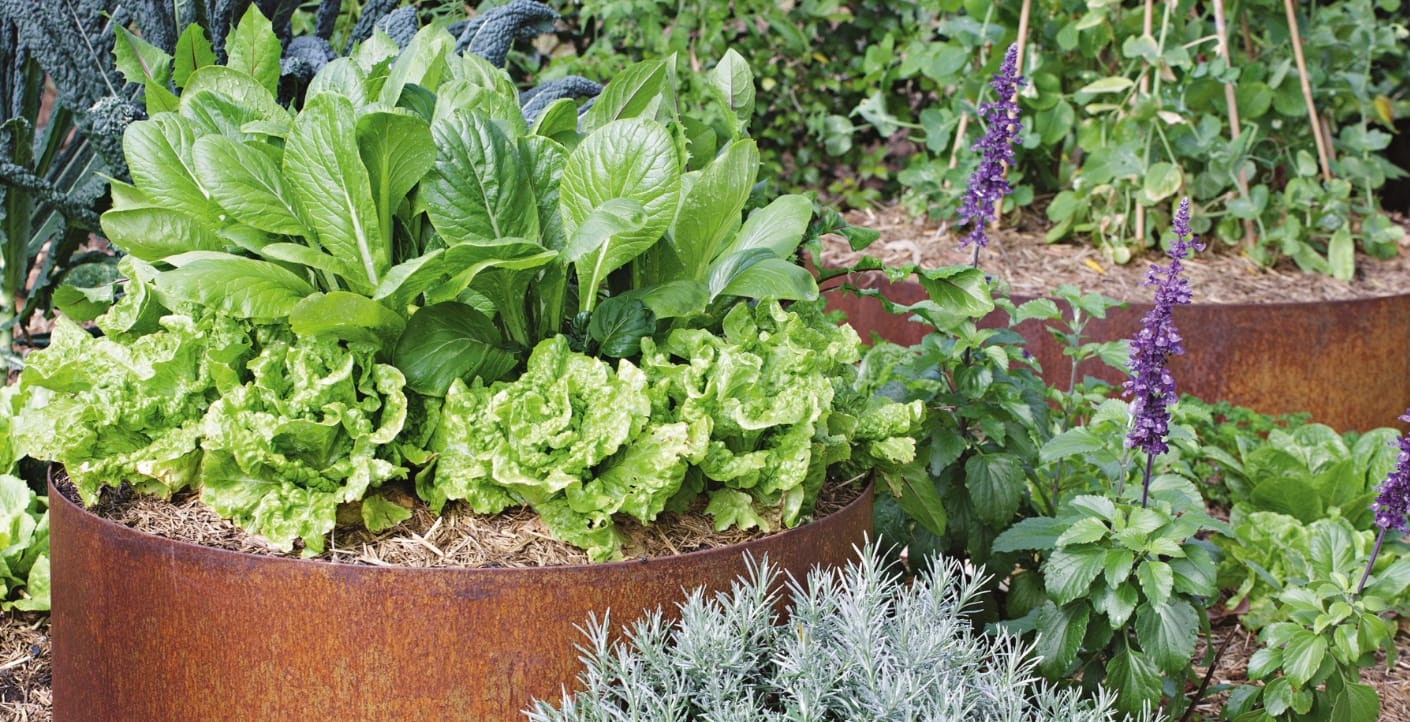
These are your best starting point — they grow quickly enough to keep you motivated, and most of them are cut-and-come-again, meaning you harvest some and the plant keeps producing.
Spinach — reliable, versatile, grows well in the cold
Silverbeet / Swiss chard — tough as nails, great for soups and stir-fries
Lettuce — look for cool-season varieties specifically
Rocket (arugula) — fast-growing and way less likely to bolt in the cold than in summer
Set-and-Forget Root Vegetables
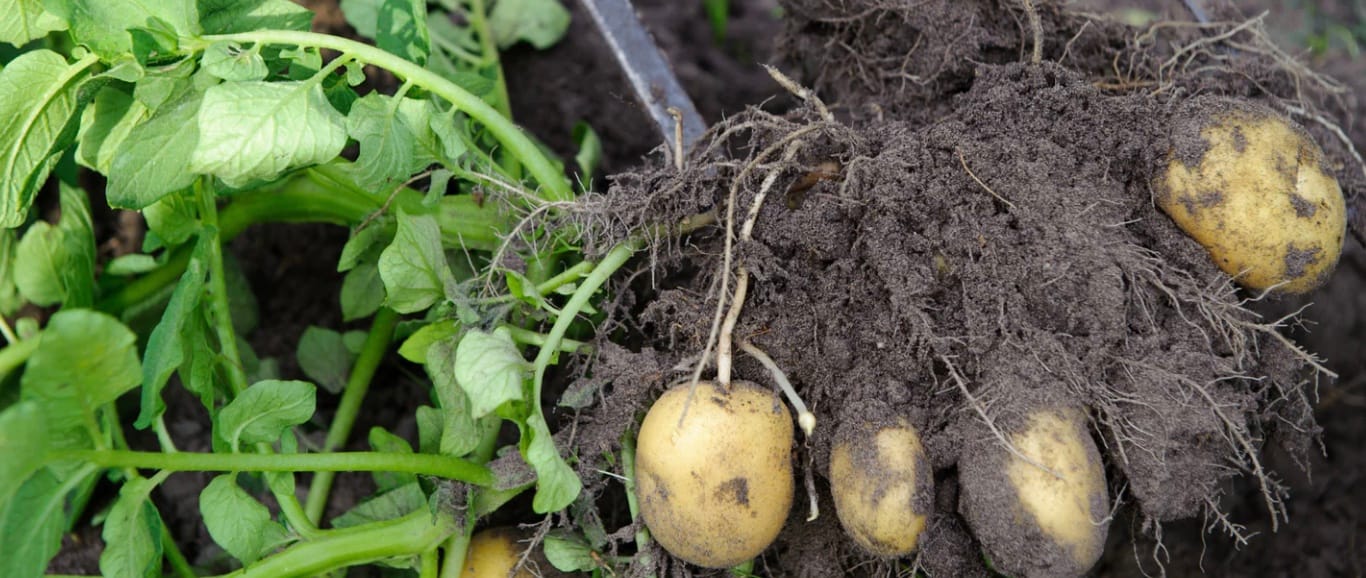
These are the ones I love for winter — put them in, mostly leave them alone, and dig them up when they're ready. Perfect if you're time-poor, or, say, currently on crutches.
Garlic — the ultimate set-and-forget crop. Plant the cloves, mulch over the top, walk away. The only way to stuff it up is to over-water (ask me how I know).
Potatoes — plant them, then keep mounding mulch on top as they grow. The higher the mulch, the more potatoes you get. Simple.
Beetroot — homegrown beetroot tastes nothing like the stuff in the tin. Nothing. It's worth growing for that reason alone.
Carrots — they grow fine in winter, though fair warning: they have a habit of coming out bent and weird-shaped. Still edible. Still delicious.
Brassicas (Worth the Effort)
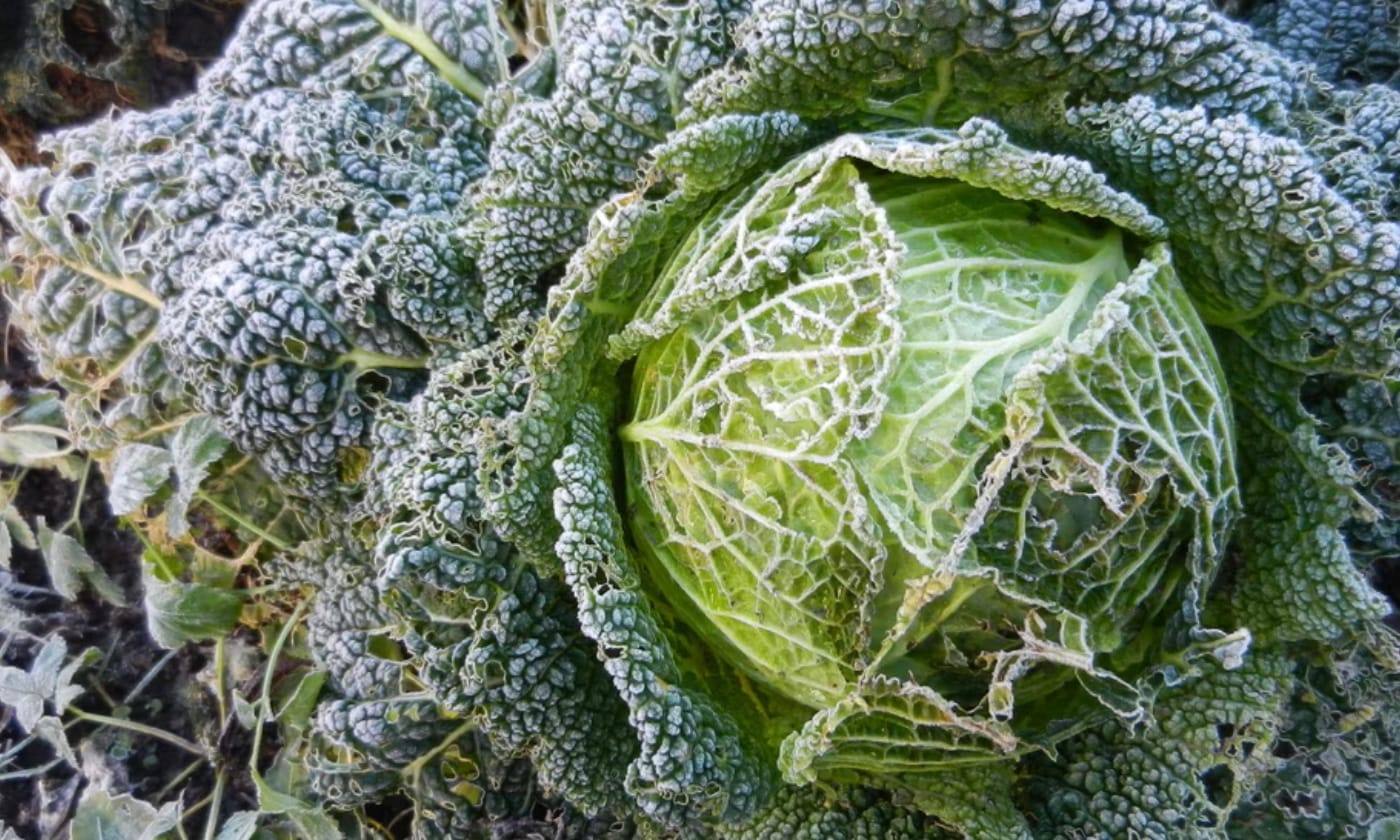
These are a bit more work and need protection from cabbage moths, but the payoff is real.
Broccoli — grows brilliantly in the cold, but bolts the second the weather warms up. It's a cold-only plant. Don't try to push it into spring.
Cauliflower — one of the most satisfying things to grow in winter. Takes patience, but worth it.
Cabbage — grows into absolute monsters if you let it. Bonus: harvest it and turn it straight into sauerkraut for the whole winter.
Brussels sprouts — hear me out. If you've only ever had them boiled to mush, you haven't really had Brussels sprouts. Chop them into quarters, fry with bacon and onion, and thank me later. Homegrown ones have actual flavour.
Herbs That Like the Cold
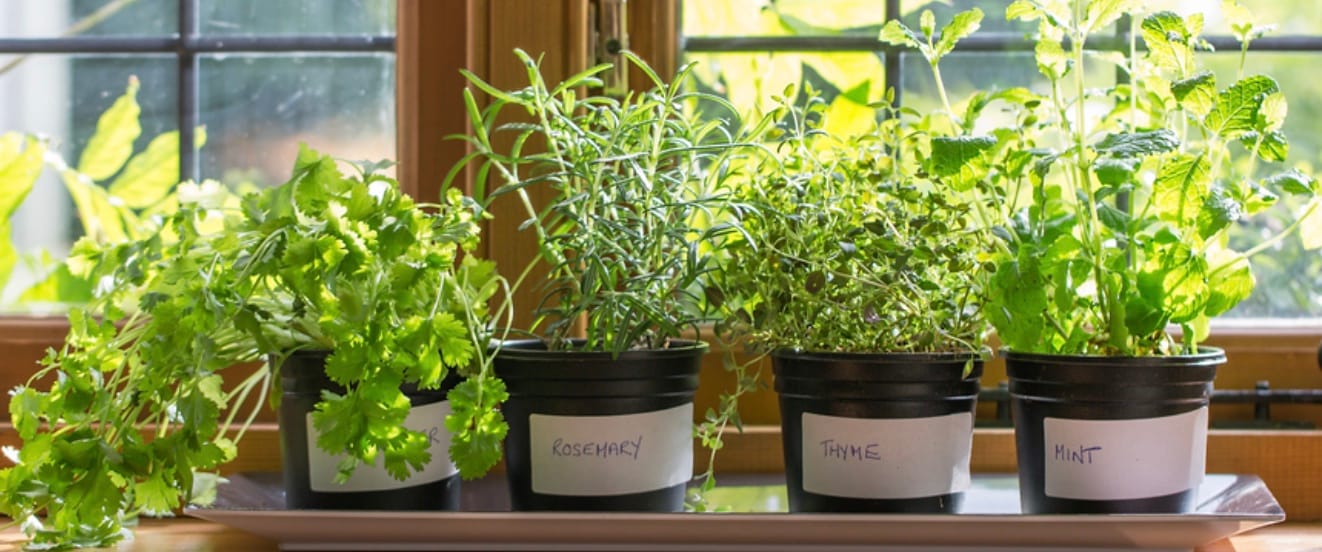
Parsley — easy, reliable, handles the cold well
Coriander (cilantro) — actually prefers the cold. It bolts in summer heat, so winter is its time to shine
Chives — low maintenance, cold-hardy, and useful in almost everything
Thyme — worth trying if you haven't grown it before
How to Set Your Garden Up for Winter Success
Start With the Soil
Compost before you plant — full stop. Winter plants can't get nutrients from warmth and sun the way summer plants can, so the soil has to do the heavy lifting. Dig in as much compost as you can before anything goes in the ground.
Homemade compost is ideal, but bought compost is absolutely fine. And yes, kitchen scraps work too — just don't put them right up against plant stems.
Also loosen the soil before planting. Cold, compacted soil makes it hard for roots to establish. A quick dig-over makes a real difference.
Mulch Like You Mean It
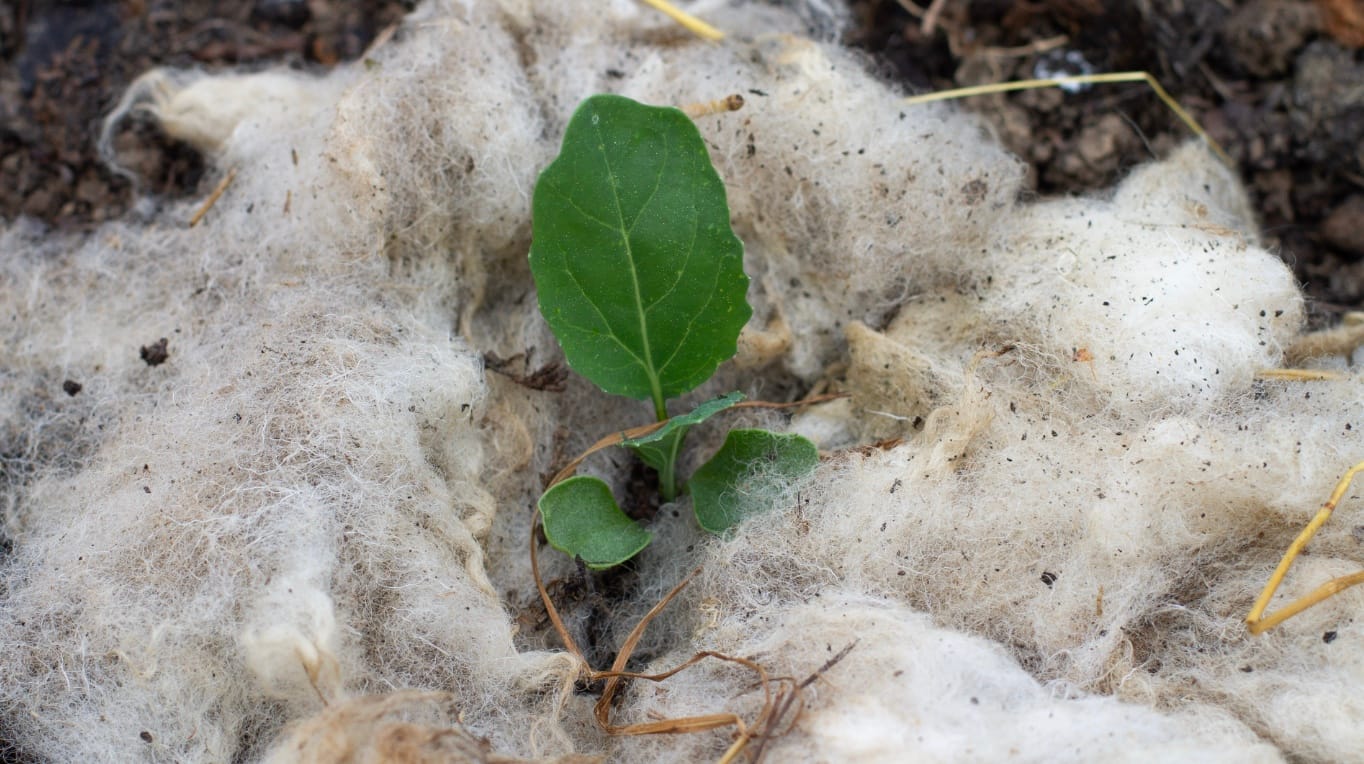
Mulch over your compost to lock in moisture and regulate soil temperature. This keeps the microbes in the soil active even when it's cold — and healthy soil microbes mean healthy plants.
This year I'm trialling angora hair from our goats as mulch over the empty garden beds. The theory is it'll hold moisture, regulate temperature, and break down slowly into the soil.
I'll report back on how it goes.
Watch Where the Sun Falls
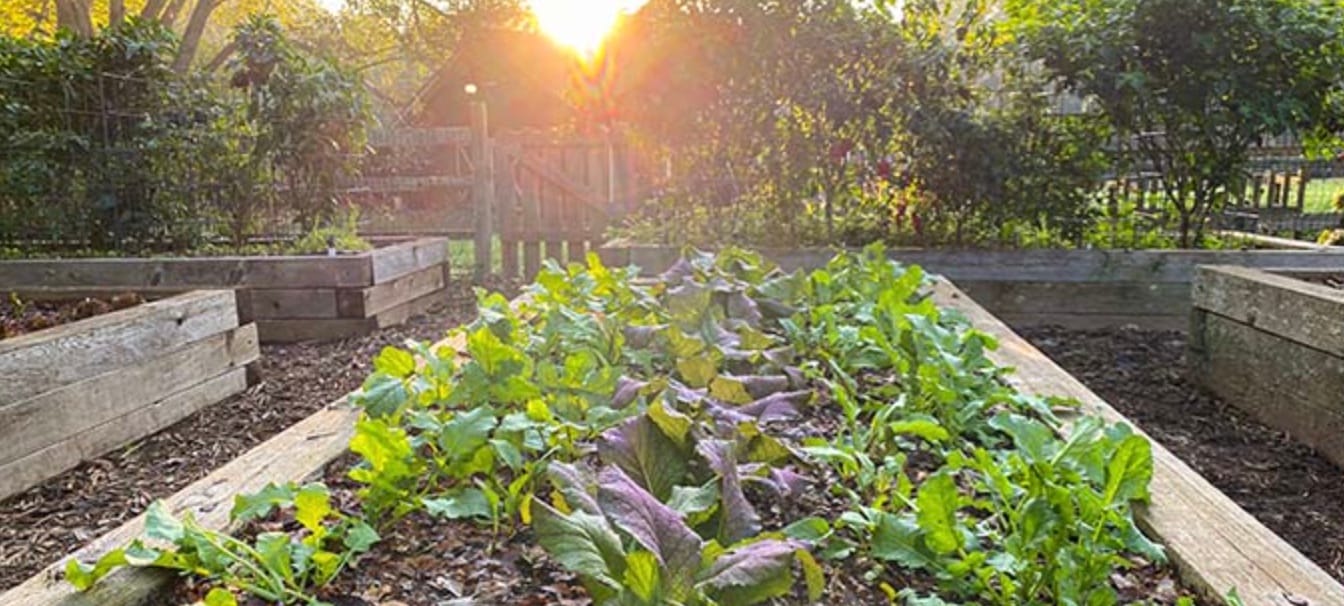
The sun sits lower in winter and there are fewer daylight hours.
A garden bed that got full sun in summer might be in shade by July. Before you decide which beds to use, spend a day watching where the sun actually lands — and pick accordingly.
If a bed ends up too shady, don't stress. Compost it, mulch it, and save it for spring. It won't go to waste.
Protect From Frost (Without Overthinking It)
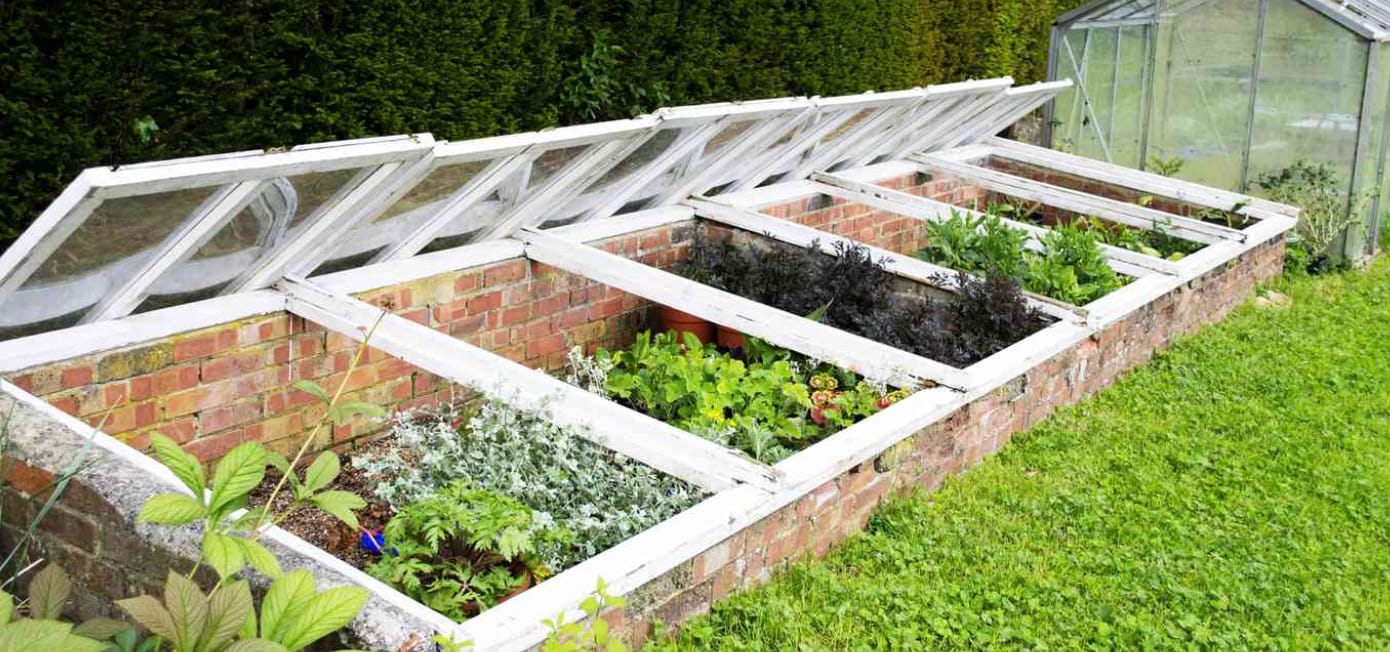
You don't need fancy gear. An A-frame made from tomato stakes with an old sheet draped over it is genuinely effective for overnight frost protection. Flip it back during the day so the plants get sunlight.
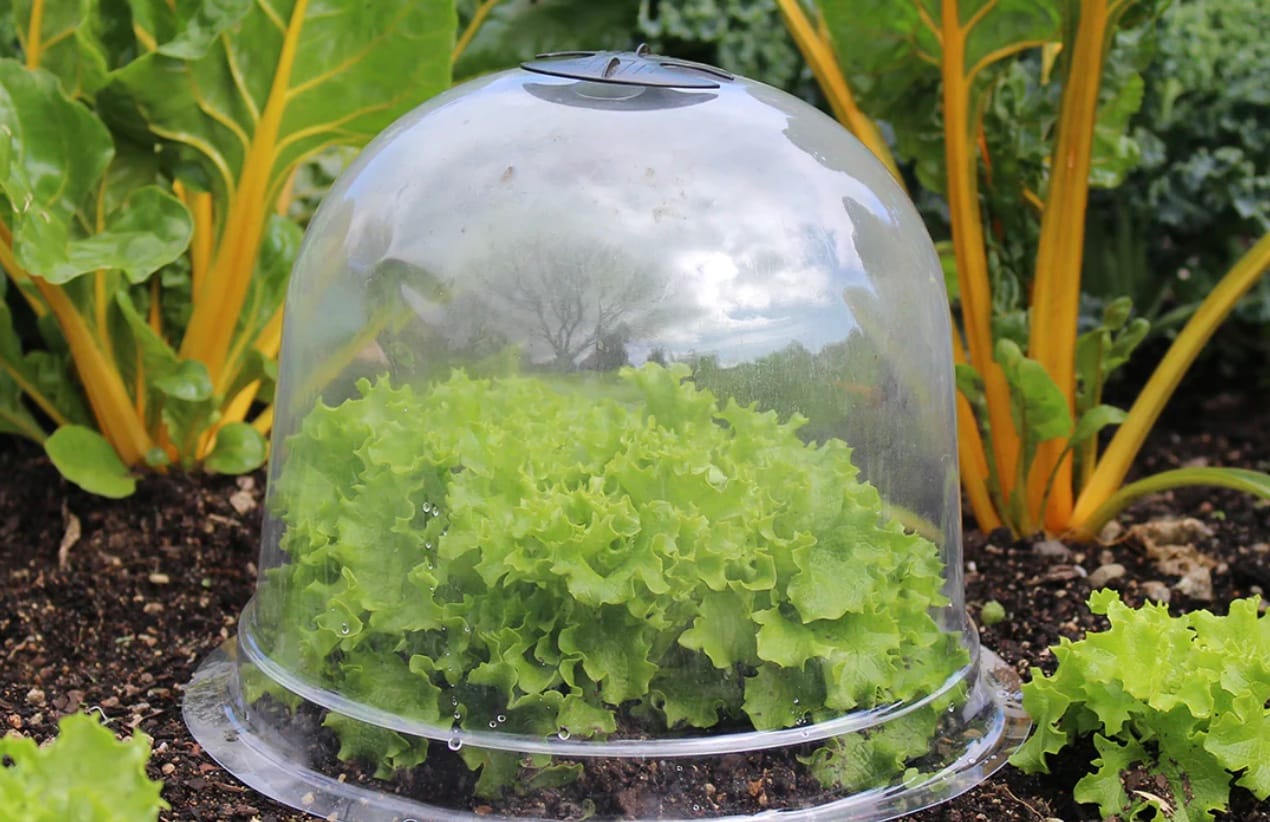
For individual plants, old glass or plastic bowls placed over them work well too.
The goal isn't to keep every bit of cold off them — these plants like the cold. You're just protecting them from the worst of the frost burn.
Beginner Mistakes to Avoid
Planting too late. If you've missed the ideal window, buy established seedlings from the nursery rather than starting from seed. You skip the first few weeks of growing time and give the plant a better chance before the cold really sets in.
Expecting summer speed. Everything is slower in winter. The bees are staying in their hives, the soil is cold, the days are short. The plant is doing its best. Back off and let it do its thing.
Over-watering. Already said it, saying it again. When in doubt, don't.
Trying to grow everything at once. Pick three to five crops maximum for your first winter garden. Garlic, potatoes, broccoli, parsley, and spinach is a solid starting lineup. Get those right, then expand next year.
The Bottom Line
Winter gardening isn't about having a perfect, Pinterest-worthy plot. It's about keeping your hand in, learning what works in your climate, and having something growing when everyone else has given up.
If you can grow food in winter, summer will be easy.
Start with one bed. Plant garlic and spinach. See what happens. You might just find yourself standing in the cold in July, genuinely chuffed that your garden didn't die — and that's exactly where it starts.
Want more no-nonsense homesteading advice? Listen to the Ditch the Store podcast or grab a copy of the book series — practical guidance from a real working farm in Southern NSW.
Want to Ditch the Store and Produce More of Your Own Food?
Join the Mojo Homestead community for practical homesteading tips, backyard chicken advice, seasonal gardening inspiration, and simple ways to build a more self-sufficient lifestyle.
Because every egg you collect yourself is one less reason to rely on the supermarket.


BY MOJO HOMESTEAD