
Egg Overload
What to Do With Too Many Eggs: Practical Ways to Handle Egg Overload
So… you’ve got chickens.
You’re feeling pretty proud of yourself.
And then one day you walk into the coop and realise…
You have WAY too many eggs.
Welcome to egg overload.
It’s a good problem to have—but it’s still a problem. Because unless your family is smashing six eggs per meal (respect if you are), those eggs start piling up fast.
Let’s fix that.
In this guide, I’ll walk you through:
Why egg gluts happen
How long fresh eggs actually last
Practical ways to use, store, preserve, or sell your eggs
How to turn excess eggs into something genuinely useful
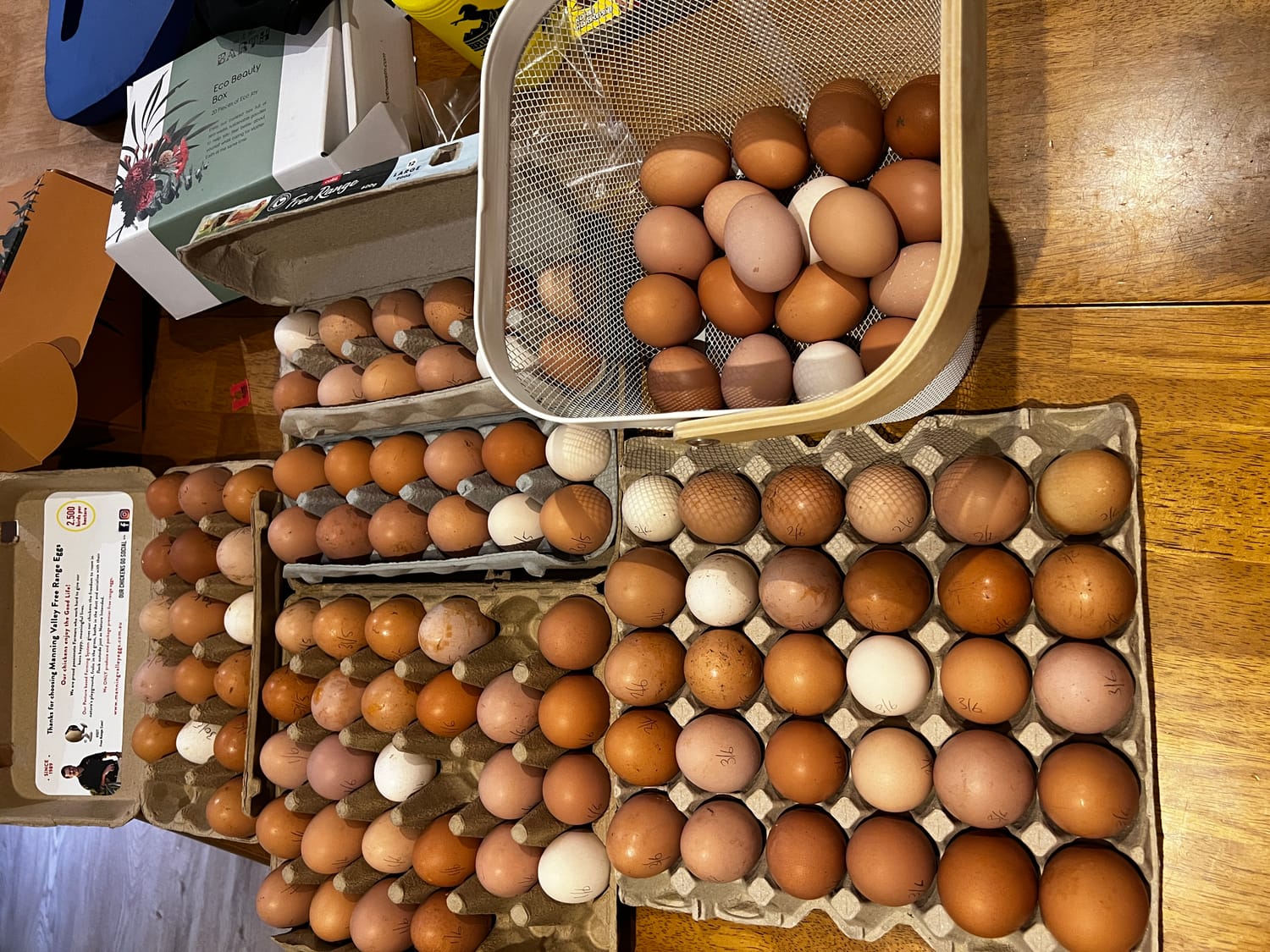
What Is Egg Overload (And Why It Happens)?
Egg overload is exactly what it sounds like. More eggs than you can realistically use.
And it sneaks up on you.
1. The Spring Laying Boom
This is the big one. When daylight hours increase:
Chickens lay more
Young hens hit peak production
You suddenly have eggs… everywhere
If you’ve got a flock of the same age?
Even worse (or better, depending how you look at it).
You could easily be collecting:
5–7 eggs per hen, per week
Got 10 hens?
That’s 50–70 eggs a week. 😳
2. Chicken Math Got You
You started with 3… Then added a few more…
Now you’ve got 10+ birds all laying at once.
It happens. No judgement.
3. Your Family Can’t Keep Up
Not every household eats eggs daily. And that’s fine.
But if your consumption doesn’t match production, the eggs stack up fast.
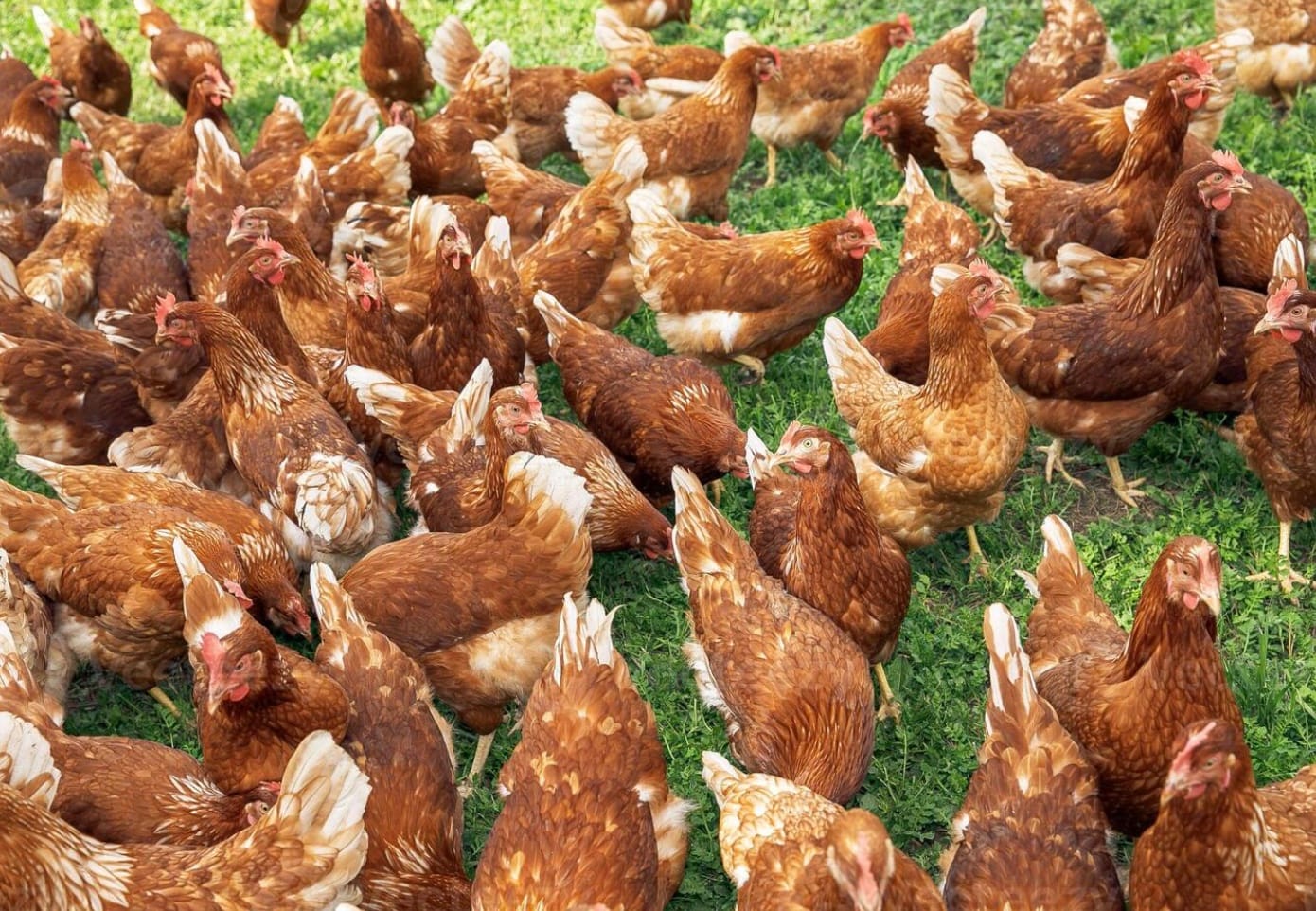
How Long Do Fresh Eggs Last? (The Truth Most People Miss)
This is where people get a bit worked up. Let’s simplify it.
You Don’t Have to Refrigerate Fresh Eggs (If Done Properly)
If your eggs are:
Unwashed
Stored in a cool, stable environment
They can last:
2–3 weeks (standard advice)
Up to 2 months (real-life experience)
Why Unwashed Eggs Last Longer
Fresh eggs have a natural protective layer called the bloom.
This:
Seals the shell
Stops bacteria getting in
Keeps the egg fresher for longer
Wash it off? Shelf life drops.

How to Tell If an Egg Is Still Good (Float Test Explained)
If you’re unsure—test it.
The Float Test
Fill a glass with water
Gently place the egg in
Results:
Sinks flat → Fresh
Stands upright → Older but usable
Floats → Off (don’t use)
Simple. Reliable. No guessing.
What to Do With Too Many Eggs (Practical Ideas That Work)
Alright—this is the good stuff. Let’s actually deal with the egg glut.
1. Use More Eggs in Everyday Meals
Sounds obvious—but most people underuse eggs.
Easy Egg-Heavy Meals
Scrambled eggs
Omelettes
Breakfast burritos
Boiled eggs for snacks
Great for busy families too.
Bulk Cooking Ideas (Big Egg Users)
If you want to smash through eggs quickly:
Quiche
Uses heaps of eggs
Perfect for leftovers
Great for meal prep
Frittata
No fuss
Throw in whatever you’ve got
Meat, veg, cheese—done
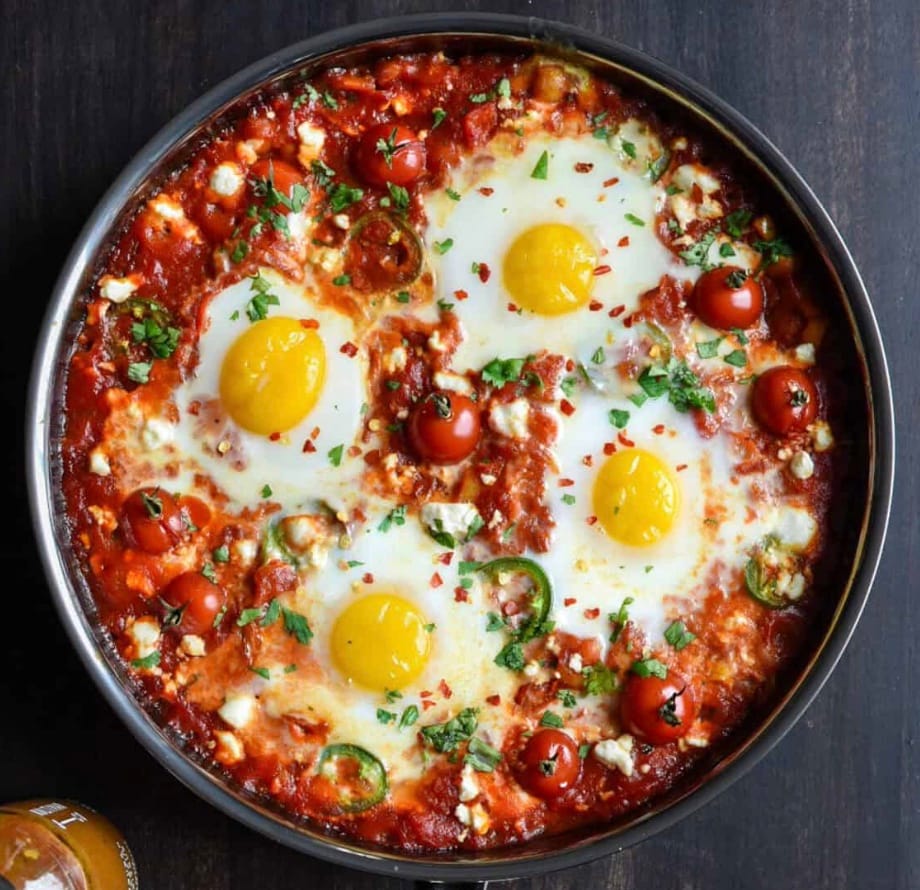
Shakshuka (if you want something different)
Eggs cooked in tomato sauce
Hearty and filling
2. Bake (And Freeze for Later)
This is where you can really use eggs.
Go-To Options
Cakes
Muffins
Banana bread
Pancakes
Smart Tip
Bake in bulk and freeze:
Slice it
Bag it
Grab-and-go snacks sorted
Don’t Waste Egg Yolks or Whites
Make pavlova → uses whites
Use yolks for custard or eggnog
Nothing wasted. That’s the goal.

3. Preserve Eggs for Later (Game Changer)
This is where you move from “chicken owner” to proper homesteader.
Freezing Eggs
Best for:
Baking
Cooking
How:
Crack into trays
Freeze
Store in bags
Tip: whisk before freezing if using for recipes.
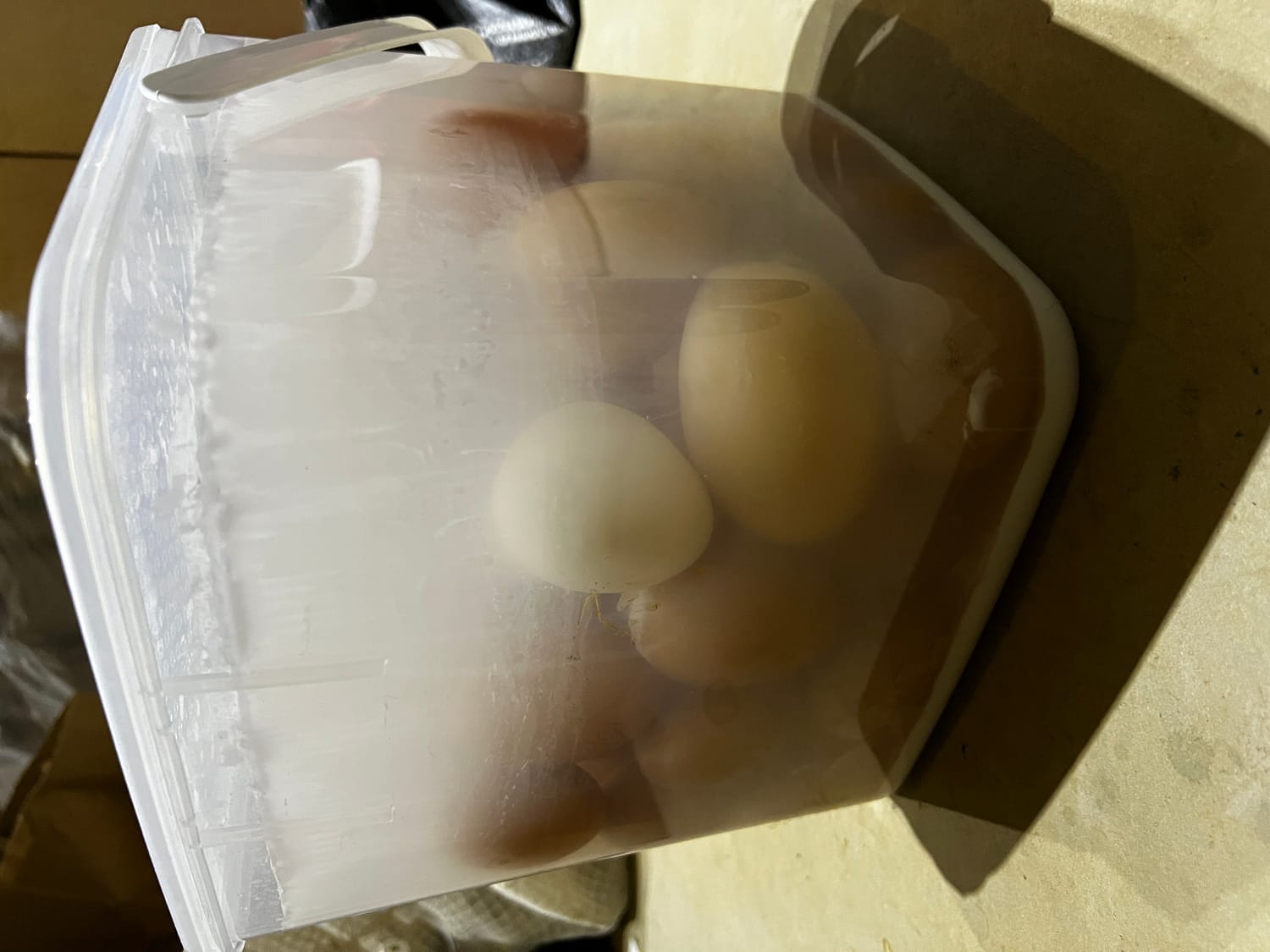
Water Glassing (Old-School Method That Works)
This one surprises people—but it’s legit.
How it works:
Fresh, unwashed eggs
Stored in lime water
Fully submerged
Shelf life:
Up to 12 months
Yes. A year.
Perfect for:
Off-grid setups
No freezer space
Dehydrating Eggs
If you’re serious about storage:
Whisk eggs
Dehydrate
Turn into powder
Use for:
Baking
Camping
Long-term storage
4. Share, Barter or Sell Your Eggs
You don’t have to do it all yourself.
Bartering Ideas
Swap eggs for:
Veggies
Honey
Sourdough
Animal feed
Classic homestead life.
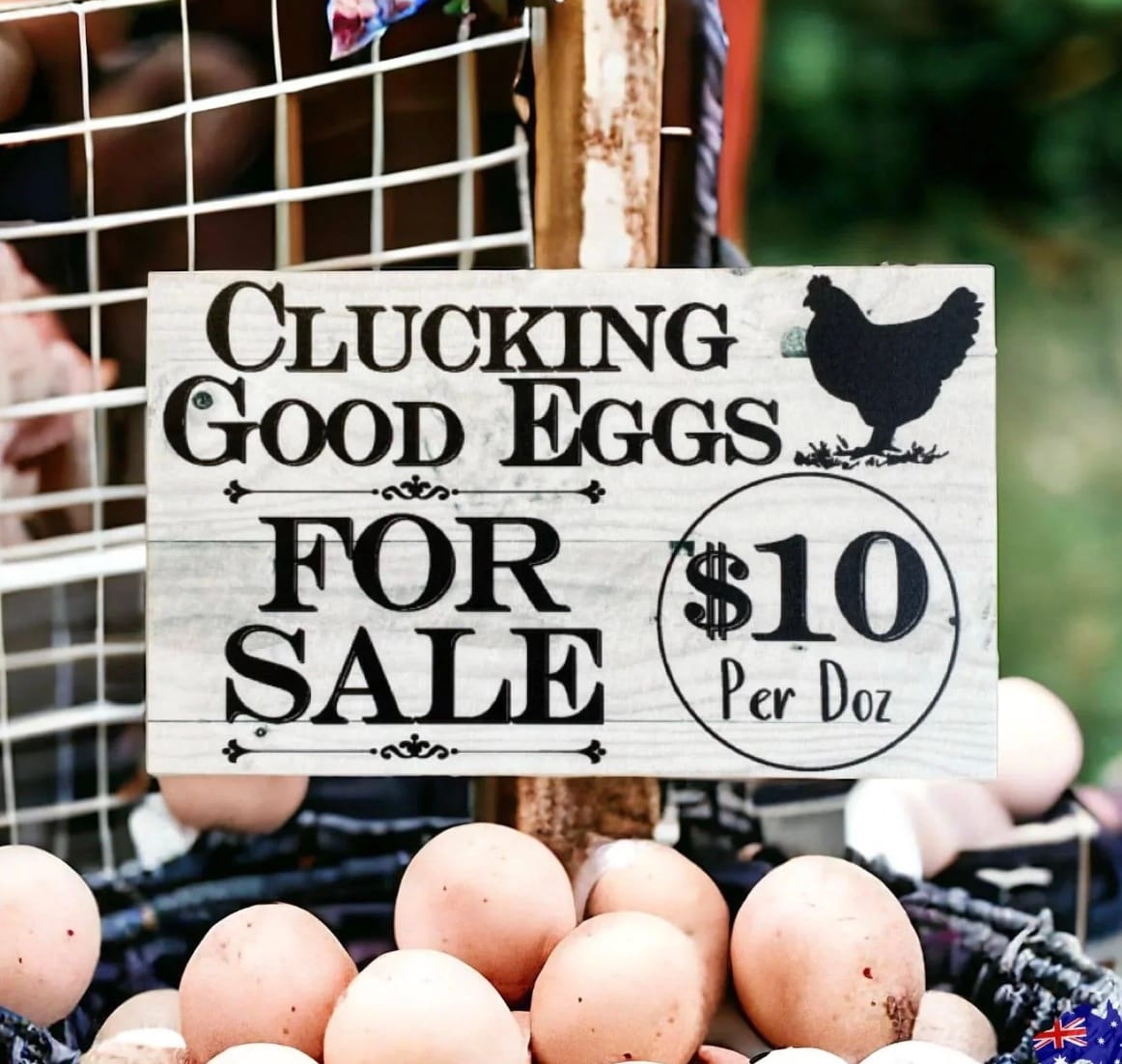
Selling Eggs (Important Tips)
Check your local regulations first
Price to cover your costs at minimum
Reality check:
Pasture-raised eggs are worth good money
Don’t undersell yourself
Simple Selling Options
Friends & coworkers
Farm gate stall
Local community groups
5. Value-Add Your Eggs
Want to level up? Turn eggs into products:
Fresh pasta
Baked goods
Custard
Sauces
Just check food laws in your area first.
6. Hatch More Chickens (If Fertile)
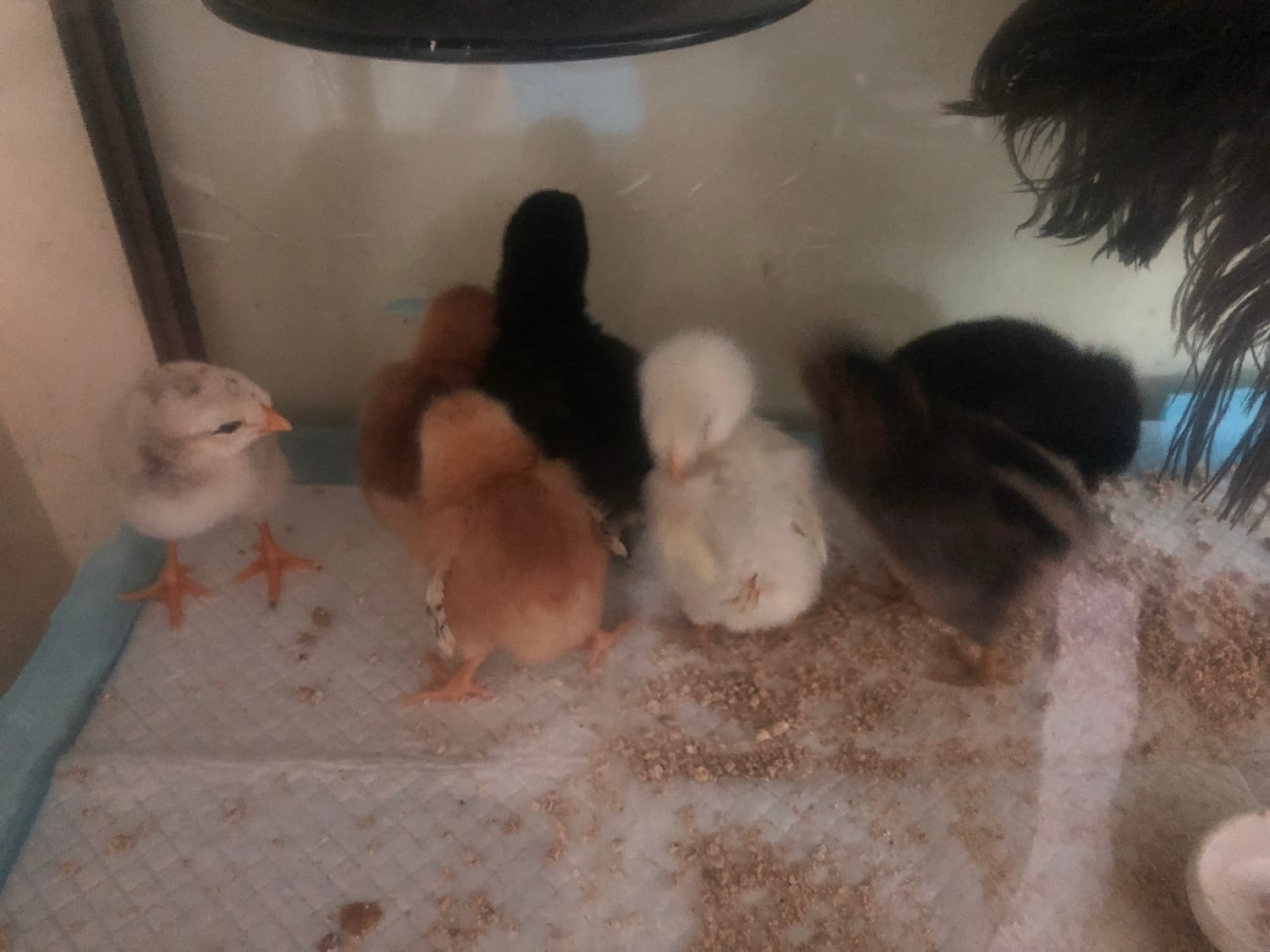
Got a rooster? You’ve got options.
Incubate eggs
Hatch chicks
Sell day-olds
Kids LOVE this too.
Planning Ahead: Use Egg Gluts to Your Advantage
Here’s the mindset shift. Egg overload isn’t a problem.
It’s preparation.
Because at some point, your chickens will stop laying:
Winter
Moulting
Seasonal changes
And when that happens?
You’ll be glad you:
Froze eggs
Preserved them
Planned ahead
Final Thoughts: Don’t Waste the Eggs
Egg overload happens to everyone eventually. The trick is not to panic.
Just work through it:
Use what you can
Store what you can’t
Share the rest
And remember…
Having too many eggs is a far better problem than not enough.
Your Action Plan This Week
Check how many eggs you’re producing vs using
Pick 1–2 preservation methods to try
Plan 2 egg-heavy meals this week
Ask around—who wants eggs?
Start small. Keep it practical.
Want to Ditch the Store and Produce More of Your Own Food?
Join the Mojo Homestead community for practical homesteading tips, backyard chicken advice, seasonal gardening inspiration, and simple ways to build a more self-sufficient lifestyle.
Because every egg you collect yourself is one less reason to rely on the supermarket.


BY MOJO HOMESTEAD