
Homesteading Without Quitting Your Day Job
Balancing Act: A Guide to Homesteading While Keeping Your Day Job
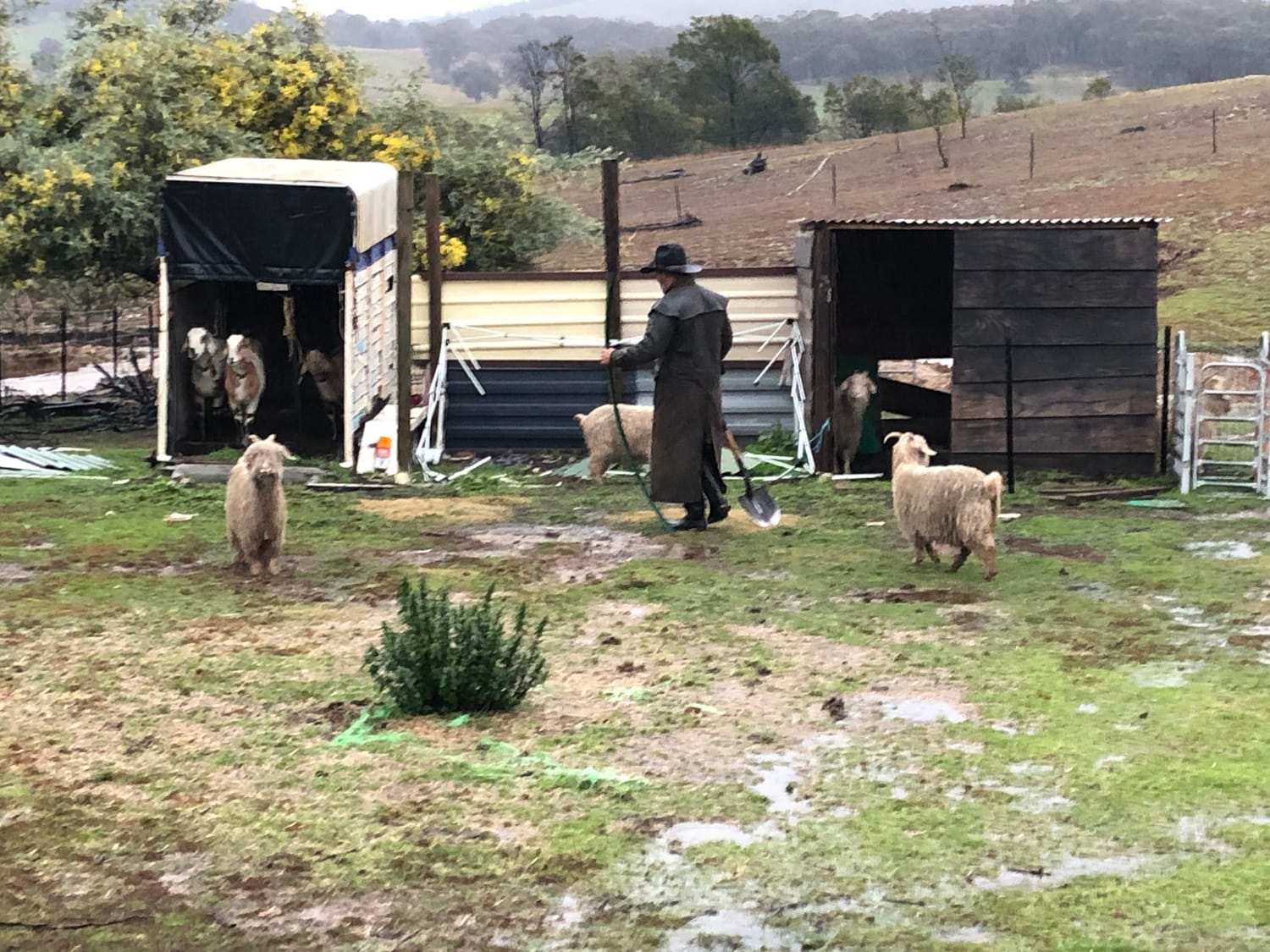
Homesteading doesn't mean quitting your day job or giving up on your family life. If you're juggling full-time work, kids, and the dream of a self-sufficient lifestyle, you're not alone.
This guide breaks down how to ease into homesteading with smart planning, small steps, and realistic goals that fit your busy schedule—and your budget. Let's talk about making homesteading work for you without burning out.
For more detailed time management strategies, check out https://www.wanderinghoofranch.com/time-management-tips-for-homesteaders/.
Start Small and Build Gradually
The 15-Minute Homesteader
When you're balancing an off-farm job (or two jobs) with homesteading dreams, time becomes your most precious resource. The key is finding small pockets of time and using them wisely. Can you spare 15 minutes before work to water garden beds? Maybe 20 minutes after dinner to collect eggs and feed animals? These small daily actions add up to big results over time.
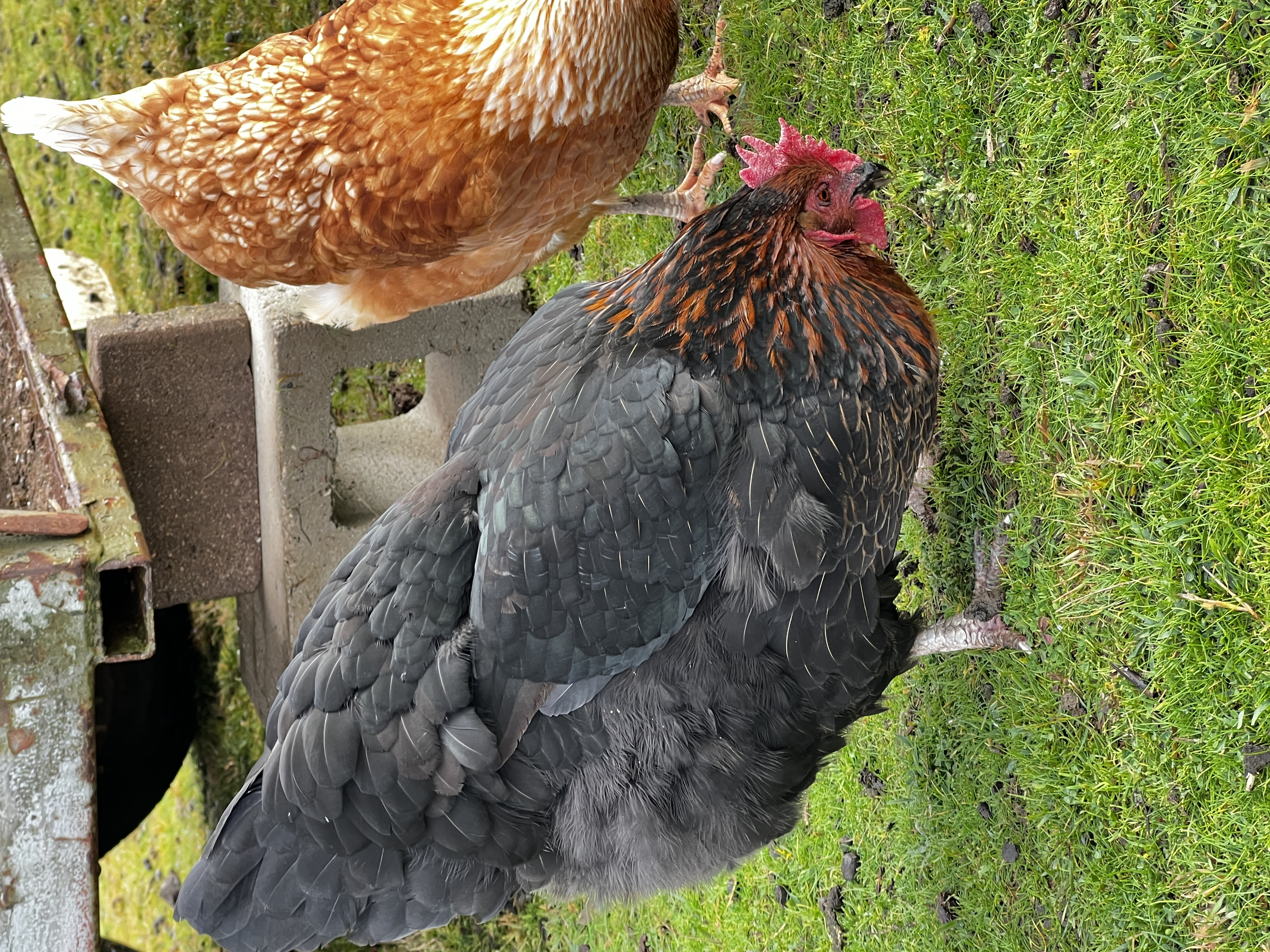
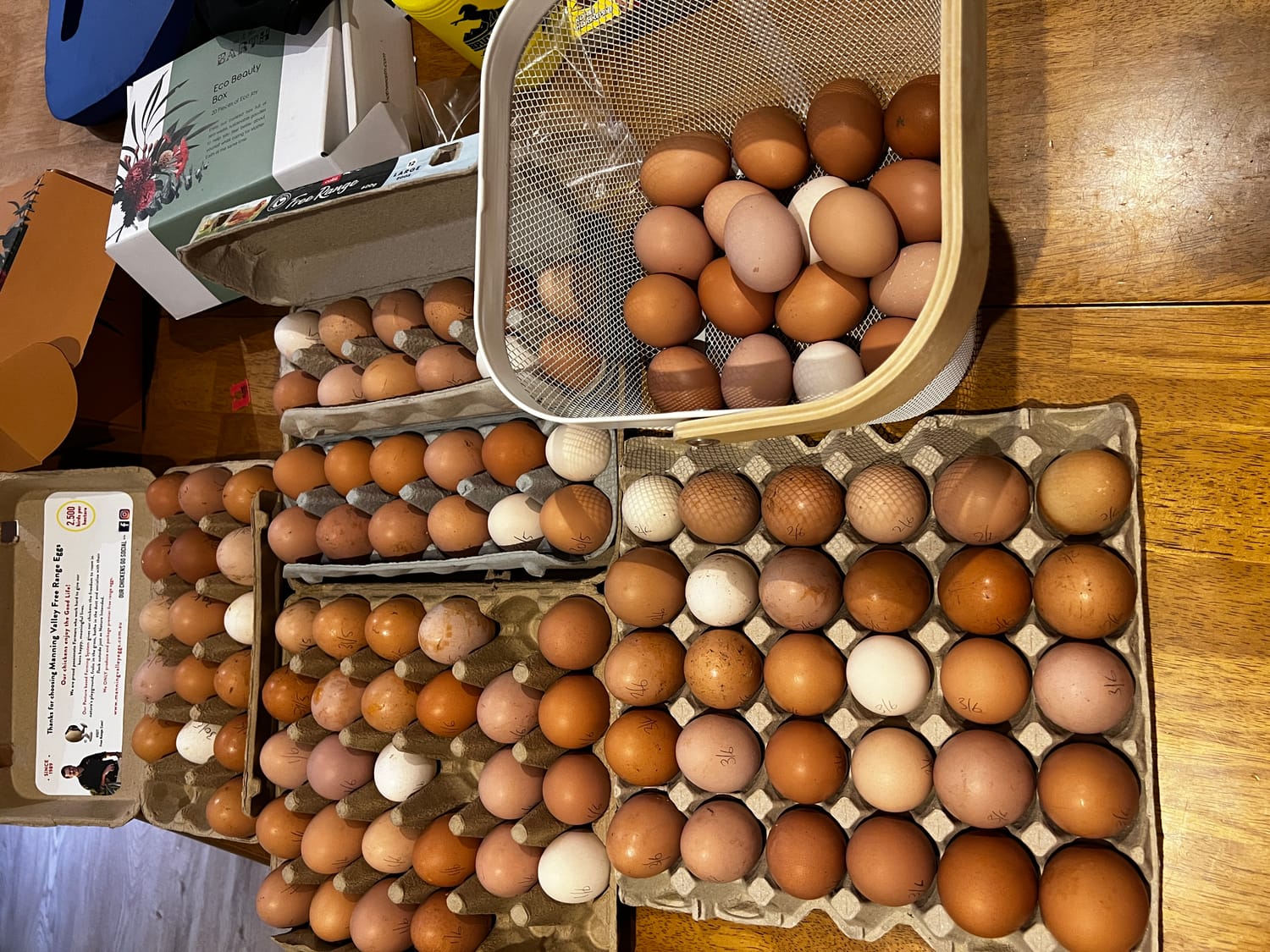
Start with just one project - perhaps a small container garden or a few backyard chickens. Master that before adding anything else. I began with six chickens while working 50+ hours weekly, and those fresh eggs made me feel successful even when I was exhausted from my day job.
Choose High-Return Projects First
For beginner homesteading, focus on projects that give you the biggest bang for your buck (and time).
Chickens are perfect - they require minimal daily care but provide eggs almost daily.
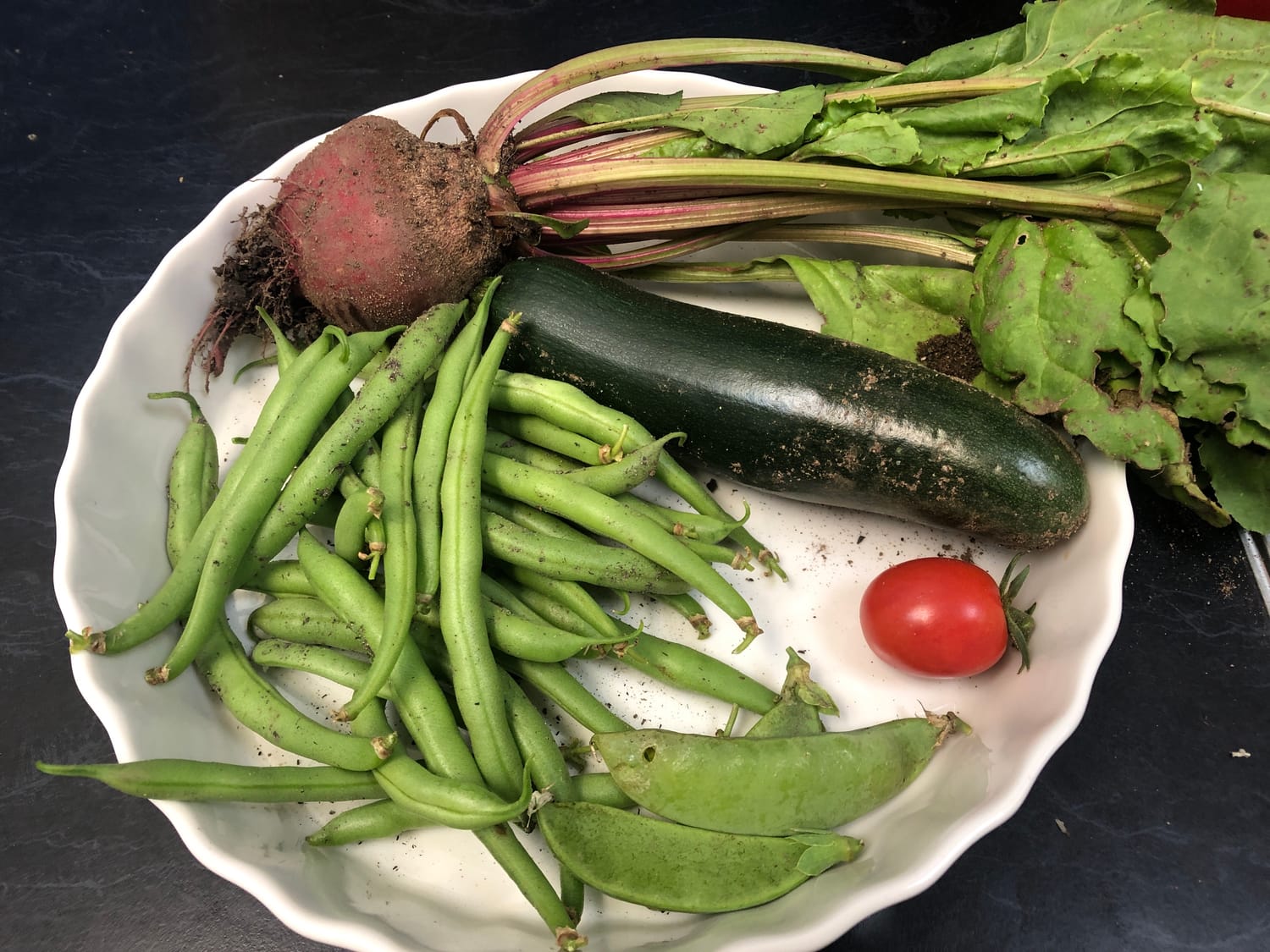
A small garden with easy crops like zucchini, tomatoes, and herbs can produce a surprising amount of food with just weekly attention.
Avoid time-intensive projects like dairy animals until you've mastered the basics and have systems in place.
Remember, frugal homesteading isn't about doing everything at once - it's about making smart choices with your limited resources.
Create Systems That Work For You
Family Involvement
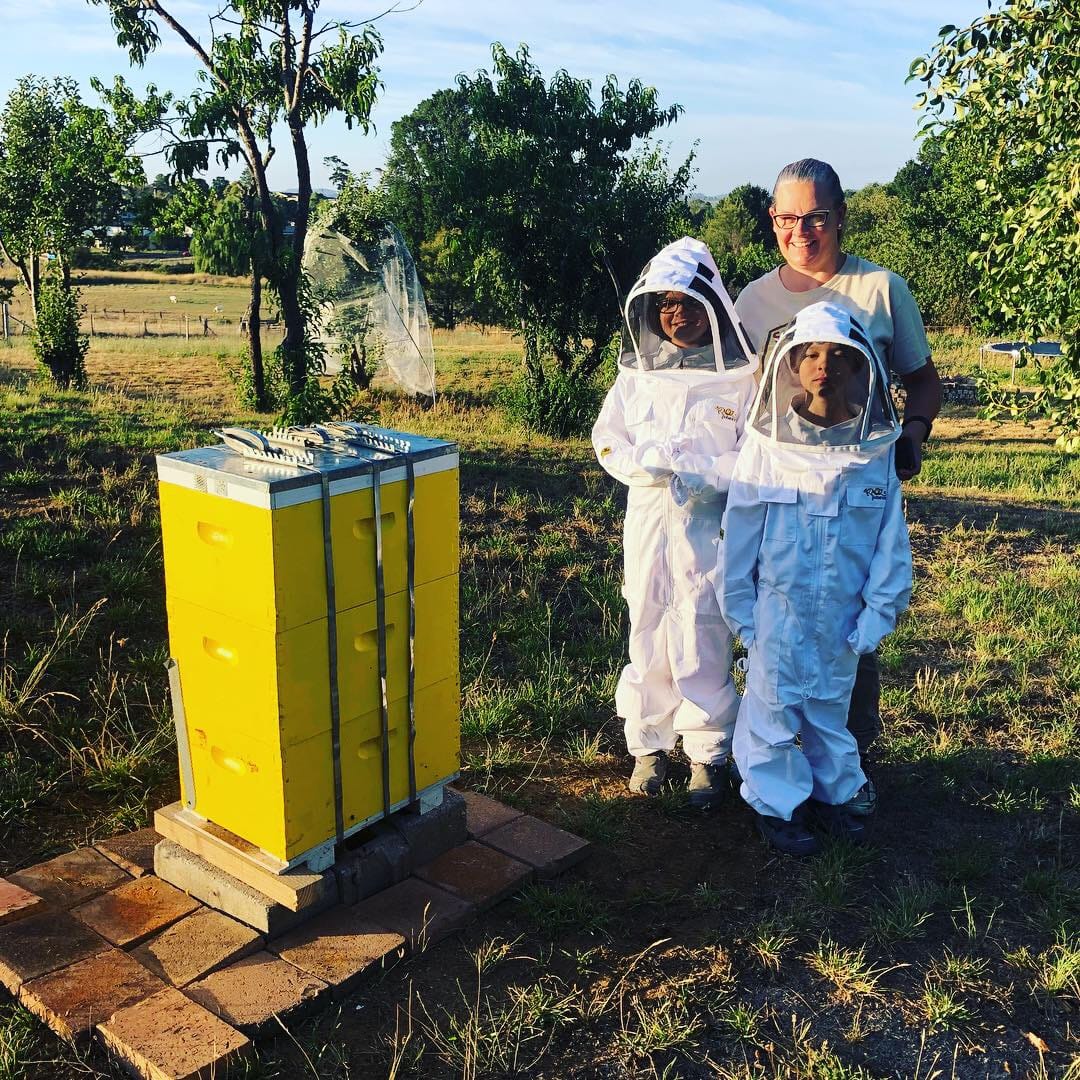
If you have kids, getting them involved isn't just helpful - it's educational!
My children started collecting eggs at age 5, and by 10, they could handle most chicken chores independently. Kids actually love having real responsibilities that contribute to family life.
Create simple checklists for daily and weekly tasks. Post these where everyone can see them, and rotate responsibilities so nobody gets burned out.
When everyone pitches in, no one person carries the whole load.
Automation is Your Friend
Look for ways to automate routine tasks.
Gravity-fed watering systems for animals, drip irrigation on timers for gardens, and batch cooking family meals can save hours each week.
I installed rain barrels connected to soaker hoses in my garden beds, cutting my watering time in half during summer months.
Prep animal feeds in advance when you have time. I measure out a week's worth of chicken feed into daily containers each Sunday, making morning feeding a grab-and-go task that takes just minutes.
Seasonal Planning is Critical
When working full-time while homesteading, you need to plan according to seasons.
Use winter evenings to research, order seeds, and plan spring projects.
Spring and summer will be your busiest outdoor work seasons, so simplify other areas of life during these months.
Autumn is preservation time - schedule vacation days for canning and freezing if possible.
Having a seasonal calendar helps prevent the overwhelm that comes from trying to do everything at once.
Be Kind to Yourself
The most important part of frugal homesteading while working is maintaining realistic expectations. Your homestead won't look like Instagram posts, especially in the beginning.
Every small step toward self-sufficiency is a win, even if it's just growing herbs on a windowsill or making your first batch of jam.
Some weeks, your off-farm job will demand more energy, and homestead projects will wait. That's not failure - it's life.
The homesteading journey is a marathon, not a sprint. What matters is consistency over time, not perfection every day.
Remember why you started - whether it's fresher food, teaching your kids valuable skills, or creating a more sustainable lifestyle.
Keep that purpose in mind when things get tough, and celebrate every small victory along the way.

Homesteading with a Full-Time Job
Your dream of fresh eggs, homegrown vegetables, and a more self-sufficient lifestyle doesn't have to wait until retirement.
With smart planning and realistic expectations, you can build a thriving homestead while keeping your day job.
Juggling Work and Homestead Duties
The secret to balancing your 9-to-5 with homestead chores?
Small, consistent actions win every time. Break down big tasks into 15-30 minute chunks that fit between your work schedule and family commitments.
Morning routines can be as simple as quick animal feeding before breakfast. Evening routines might include harvesting vegetables or collecting eggs.
The key is creating habits that become second nature, just like brushing your teeth.
Many successful working homesteaders use their lunch breaks for planning or quick research.
Keep a homestead journal in your work bag to jot down ideas or make shopping lists for weekend projects. This keeps momentum going even on busy workdays.
What makes the biggest difference is dropping the all-or-nothing mindset. Some days you'll have energy for big projects; other days you might only manage basic maintenance. Both are perfectly fine when you're building a homestead while working full-time.
Scheduling for Success
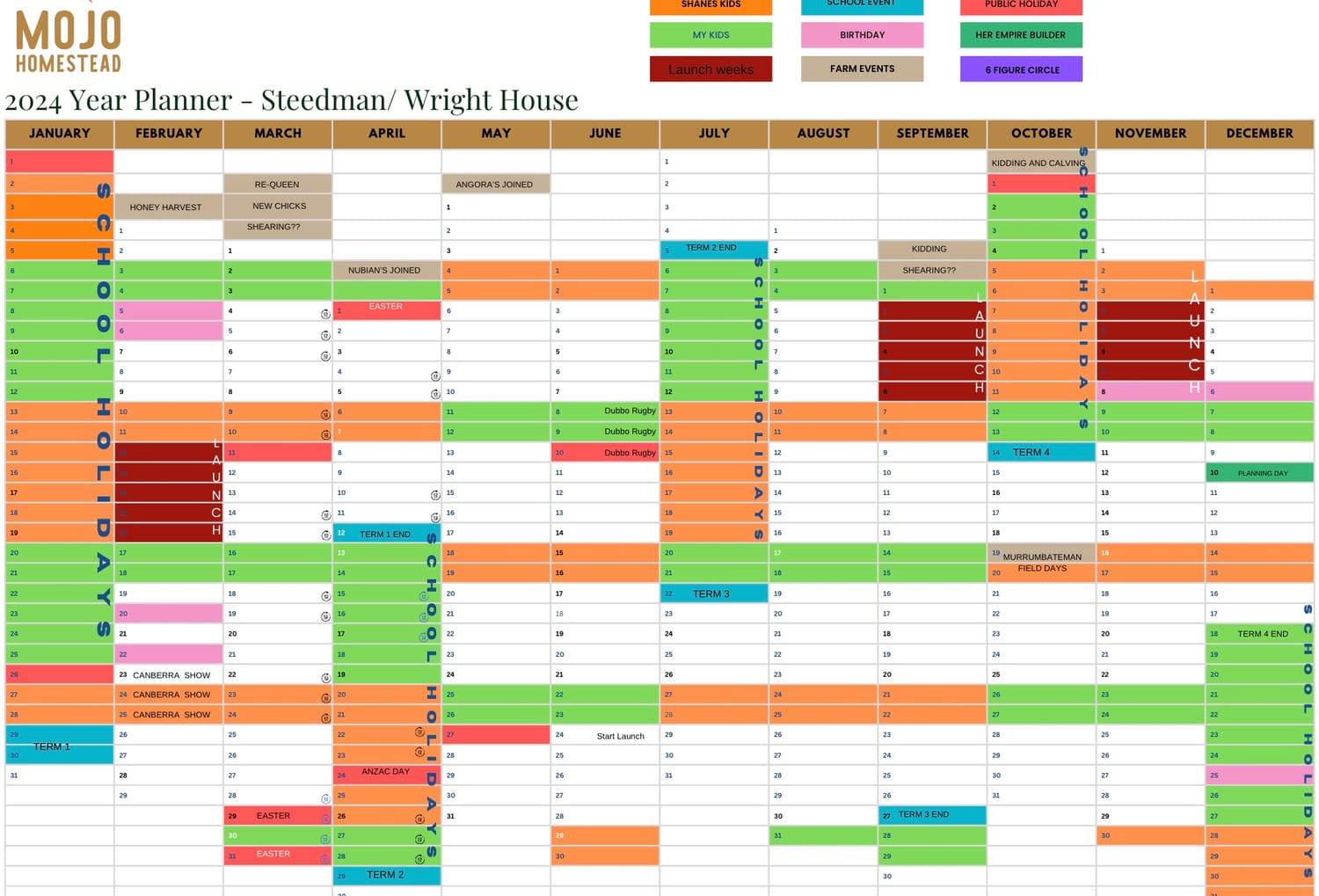
Your calendar becomes your most powerful tool when homesteading with an off-farm job. Block specific times for homestead tasks just like you would for work meetings or doctor appointments.
Try the "power hour" approach - dedicate one focused hour after work to your most important homestead task that day. This might be garden maintenance on Mondays, food preservation on Wednesdays, and coop cleaning on Saturdays. Having a regular schedule removes the mental load of deciding what needs attention.
Early mornings often work best for animal care since most creatures are active at dawn anyway. Save longer projects for weekends, but be careful not to schedule every weekend hour - burnout is real when you work all week then tackle homestead projects non-stop on days off.
Use technology to your advantage - set phone reminders for seasonal tasks like garden planting or animal health checks. I keep a digital calendar with color-coded homestead tasks so nothing falls through the cracks during busy work periods.
The Importance of Planning
Planning isn't just helpful for working homesteaders - it's essential. Without good planning, you'll waste precious time, money, and energy on projects that might not fit your current lifestyle.
Start with seasonal planning. Map out what needs doing each season, focusing on the natural rhythm of growing and harvesting. Winter becomes your strategy season - perfect for researching, ordering supplies, and planning spring projects while you're stuck indoors anyway.
Weekly planning sessions (perhaps Sunday evenings) help you coordinate work schedules with homestead needs. This is especially important when multiple family members are involved. A visible family calendar where everyone can see who's responsible for what prevents confusion and missed tasks.
The most successful working homesteaders think ahead about preservation needs too. If you know you'll be canning tomatoes in August, block those weekends off months in advance. Taking vacation days strategically around harvest times can make all the difference in preserving your hard-grown food.
Starting Your Homestead Journey
The path to homesteading while keeping your day job starts with one simple step, then another.
Before you know it, you're creating the lifestyle you've dreamed about, one small victory at a time.
Beginner Homesteading Tips
Start where you are with what you have. No need for acres of land - container gardens on a balcony or backyard chickens can be your first homesteading success. The skills matter more than the scale at this stage.
Pick one project that excites you and master it before adding another. Many beginners burn out by starting too many projects simultaneously. Whether it's bread baking, vegetable growing, or keeping chickens, focus on building confidence in one area first.
Connect with other homesteaders through local groups or online communities like www.mojohomestead.net for support. Seeing how others balance work and homesteading provides valuable insights and encouragement when challenges arise.
Track your progress with photos or a simple journal. On tough days when you feel like you're getting nowhere, looking back at where you started can provide the motivation to keep going. Those first tomatoes or eggs represent real steps toward self-sufficiency, even while working full-time.
Frugal Homesteading on a Budget
Homesteading doesn't require expensive equipment or fancy supplies. Start with secondhand tools, repurposed containers, and free materials whenever possible. Check Facebook marketplace, yard sales, and family basements before buying anything new.
Focus on projects with quick returns on investment. Chickens pay for themselves through egg production. Herb gardens save money on grocery bills while requiring minimal space and care. Growing high-yield vegetables like zucchini and tomatoes gives you plenty of food for minimal input costs.
Barter and share with neighbors and friends. Maybe you have extra eggs while they have surplus apples. Trading not only saves money but builds community connections that become invaluable resources for working homesteaders.
Remember that frugal homesteading is about resourcefulness, not deprivation. The goal isn't to spend nothing, but to spend wisely on things that truly matter to your homestead goals. Sometimes spending money on quality fencing or tools saves more in the long run than the cheapest option.

Building Slowly and Steadily
The most common mistake for working homesteaders? Trying to do everything at once. Instead, think of your homestead as something you're building over years, not weeks or months.
Create a multi-year plan with clear phases. Year one might focus on food growing and preserving basics. Year two could add small livestock like chickens. Later years might include more complex projects like beekeeping or larger animals, once you've established systems that work with your job schedule.
Celebrate small wins along the way. That first jar of homemade jam or basket of homegrown vegetables represents real progress toward self-sufficiency, even while maintaining your day job. These small successes fuel motivation for the next steps.
Be willing to adapt your plans based on what works for your specific situation. Some homestead activities might prove too time-intensive with your work schedule, while others fit perfectly. The beauty of building slowly is having time to discover what truly works for you.
Family Involvement and Support
Creating a homestead while working full-time becomes infinitely easier when the whole family participates.
Building this lifestyle together strengthens family bonds while distributing the workload.
Getting Kids Involved
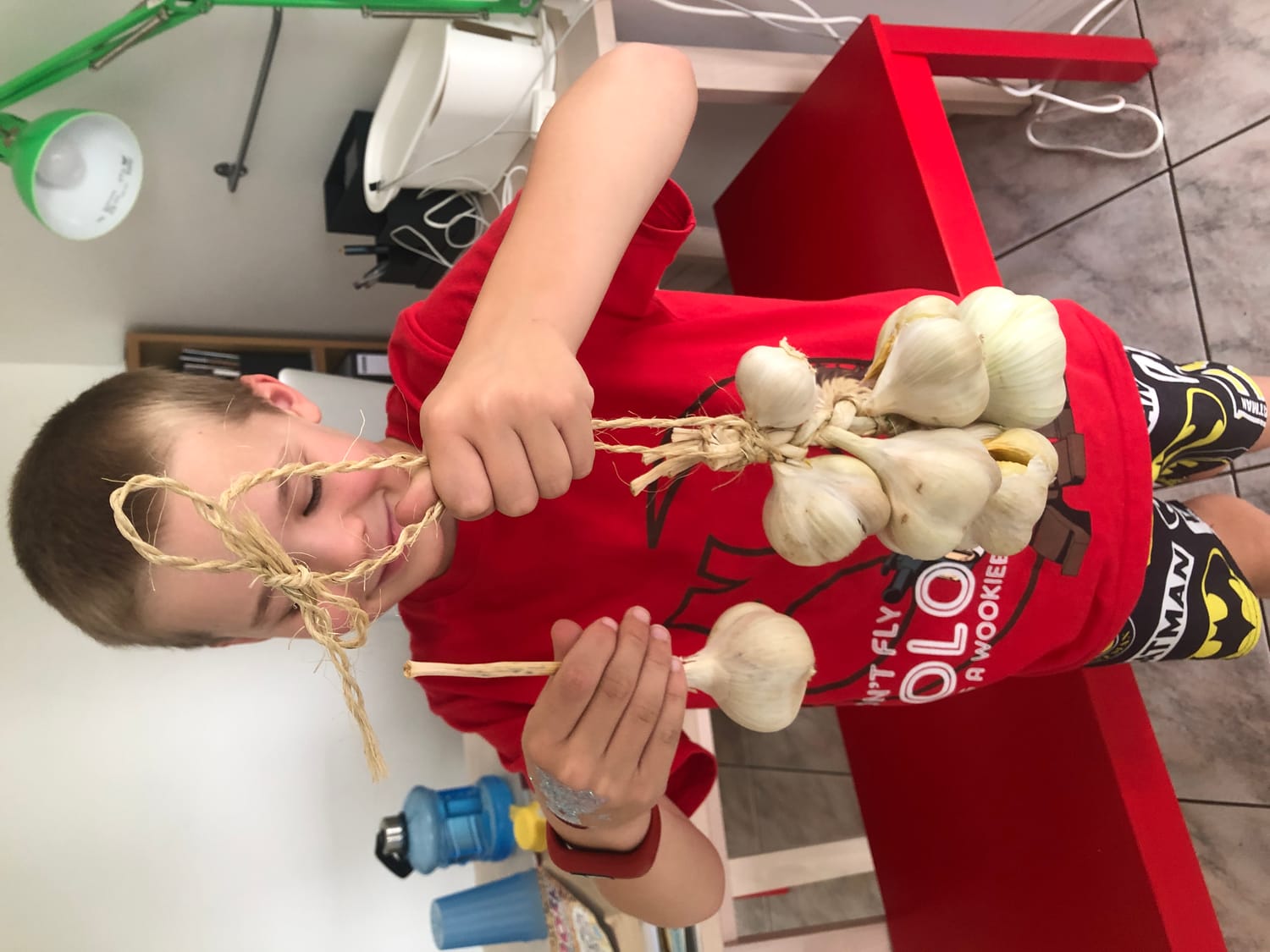
Children thrive with age-appropriate homestead responsibilities. Even young kids can collect eggs, water plants, or help with simple food preparation. These tasks build confidence and life skills they'll carry forever.
Make homestead chores fun by turning them into games or challenges. Who can pick the most beans? Can you beat yesterday's egg collection record? Children respond to playful approaches much better than being told they "have to" help.
Use homestead tasks as learning opportunities. Counting eggs becomes math practice. Growing plants teaches science. Food preservation covers chemistry. When children understand the "why" behind tasks, they're more engaged and willing to participate.
Start small with short, successful tasks that build confidence. A 5-year-old might help for 10 minutes with garden harvesting, while teenagers can take full responsibility for certain animals or garden beds. As they grow, so can their homestead involvement.
Sharing Responsibilities with a Partner
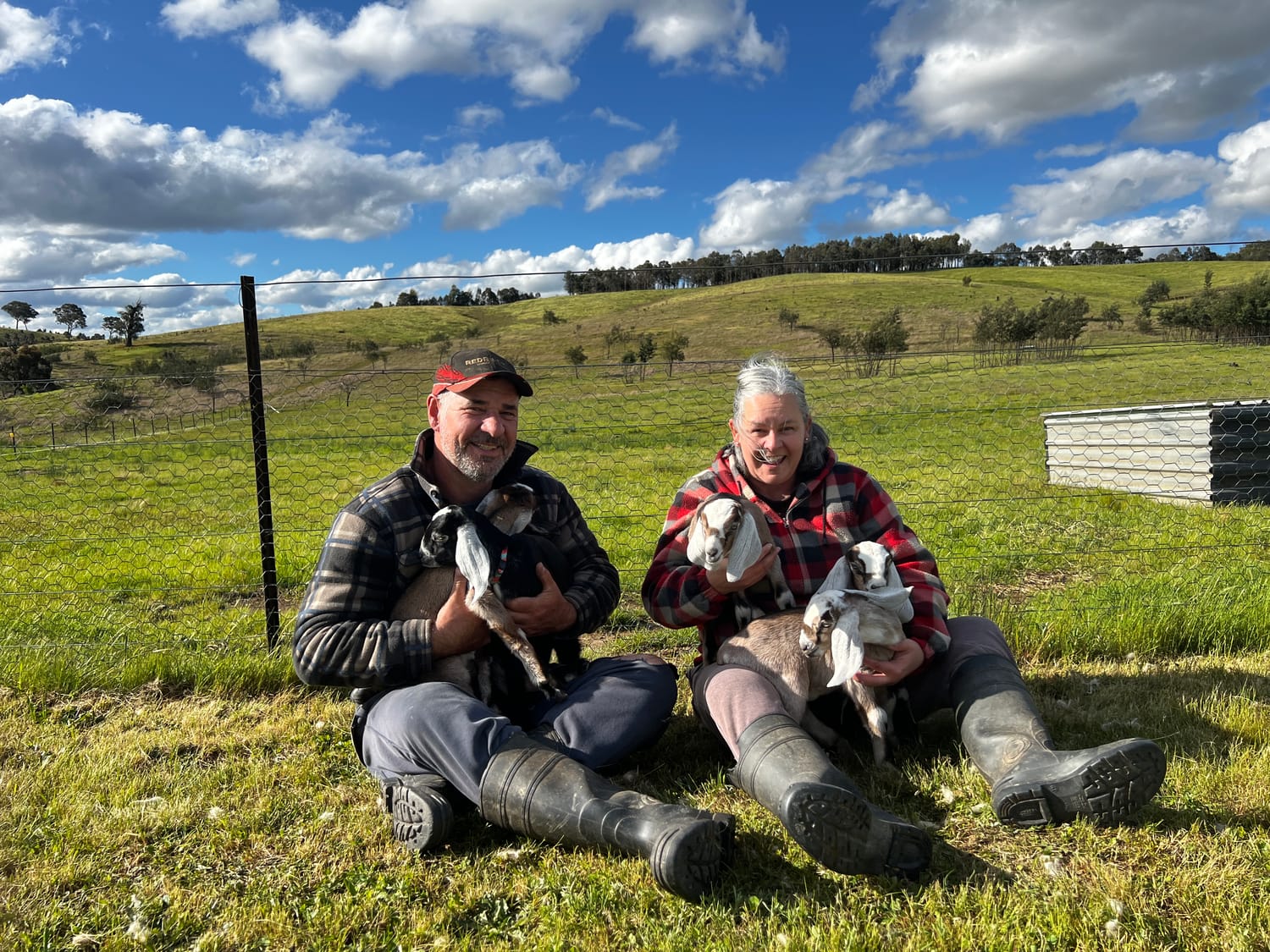
Open communication with your partner about homestead goals and time commitments prevents resentment. Discuss what each of you hopes to gain from homesteading and be honest about how much time you can realistically devote alongside work obligations.
Play to each other's strengths and interests. Maybe one partner loves gardening while the other enjoys building and repair projects. When each person focuses on areas they enjoy, the work feels less like a burden and more like a fulfilling hobby.
Create clear divisions of responsibility that respect each other's work schedules. If one partner works evenings, they might handle morning animal chores, while the day-shift partner handles evening tasks. Having these agreements prevents the "I thought you were going to do that" problem.
Schedule regular check-ins about how the workload feels. Homesteading tasks change seasonally, and work demands fluctuate too. Being willing to readjust responsibilities keeps the partnership balanced and prevents burnout for either person.
Creating a Homesteading Community
You don't have to do this alone. Building connections with other homesteaders provides emotional support, practical help, and knowledge sharing that makes working while homesteading much more manageable.
Local homesteading groups often organize work parties where everyone helps with a big project at one member's property, then moves to another's next time. These collective work sessions accomplish in hours what might take you weeks alone. Find local groups through Facebook or community boards.
Online communities provide 24/7 support and advice when you're tackling projects after work hours. Groups specific to working homesteaders understand your unique challenges and can offer time-saving tips. YouTube channels like this one often showcase how others manage the work-homestead balance.
Consider sharing resources with neighbors or family. Maybe you raise chickens while they keep bees, and you trade eggs for honey. Or perhaps you split the cost of equipment you both need but use infrequently. These arrangements stretch your budget and time further.
Building community connections also provides backup during busy work periods. Having someone who can check on animals or water gardens when work demands spike gives peace of mind that your homestead won't suffer when your job needs extra attention.
For more ideas on balancing homesteading with a busy life, check out The Homestead Challenge and join discussions with others in similar situations on Reddit's homestead community.
Remember, homesteading while working full-time isn't about achieving perfection or complete self-sufficiency overnight. It's about making consistent progress toward a more connected, sustainable lifestyle. Each small step brings satisfaction and skills that build over time into the homestead of your dreams.
Want to Ditch the Store and Produce More of Your Own Food?
Join the Mojo Homestead community for practical homesteading tips, backyard chicken advice, seasonal gardening inspiration, and simple ways to build a more self-sufficient lifestyle.
Because every egg you collect yourself is one less reason to rely on the supermarket.


BY MOJO HOMESTEAD