
How Much Land Do You Need to Start Homesteading?
How Much Land Do You Need To Start Homesteading?
Starting a homestead doesn't mean you need acres of land right away.
Many folks think you have to jump straight into a big farm, but that's not true. Whether you have a tiny urban spot or a small homestead, you can begin building your hobby farm today and grow from there.
Let's break down what's really needed so you can take that first step with confidence. For more detailed guidance on getting started, check out how much land you need to homestead.
The Truth About Land Requirements
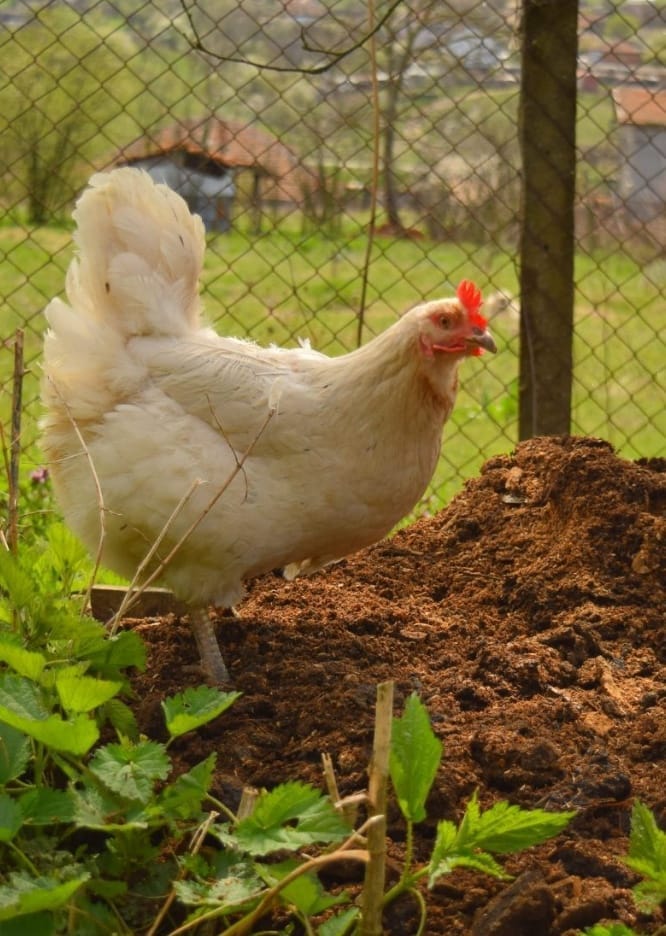
You Can Start With Almost Nothing
Many people put off their homesteading dreams because they believe they need acres of property to get started.
The truth is, you can begin homesteading right where you are - even if that's an apartment with just a windowsill!
Real homesteading isn't about the size of your land but about your mindset and willingness to produce what you can with what you have.
It's about taking steps toward self-sufficiency, no matter how small those steps might be.
Urban Homesteading (No Land or Very Little Land)
Living in an apartment or townhouse doesn't mean you can't homestead.
Urban homesteading is growing in popularity for good reason - it works! Here's what you can do with minimal space:
Windowsill herbs: Fresh basil, mint, rosemary, and thyme take up little space but save money and add flavor to your meals. When they grow too much, dry them for future use.
Sprouts and microgreens: These nutrient-packed plants grow quickly in trays on a counter or windowsill. They don't need much light or space but provide fresh greens year-round.
Homemade soaps and cleaners: Making your own household products requires no garden space at all, just a kitchen counter.
Fermentation: Sauerkraut, kimchi, and other fermented foods can be made in jars on your counter, using produce from farmers markets.
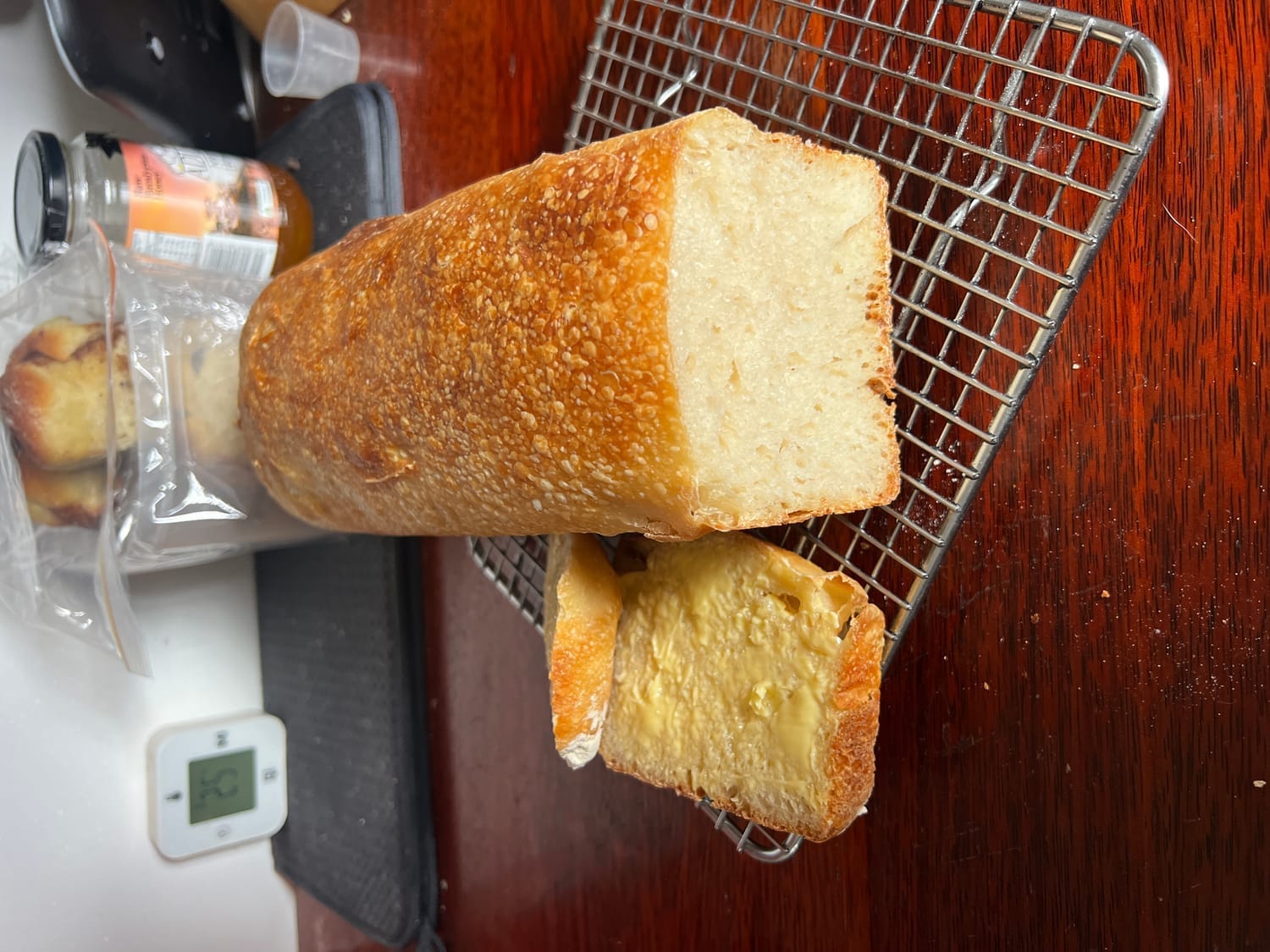
Sourdough bread: A sourdough starter takes up minimal space but allows you to make delicious bread without store-bought yeast.
Composting: Even apartment dwellers can use small composting systems like bokashi bins or worm farms to reduce waste.
For those with a small balcony, add container gardening to this list.
A surprising amount of food can grow in pots, from cherry tomatoes to lettuce and even dwarf fruit trees.
Small Block Homesteading (Quarter Acre to One Acre)
With a typical suburban yard, your homesteading options expand dramatically:
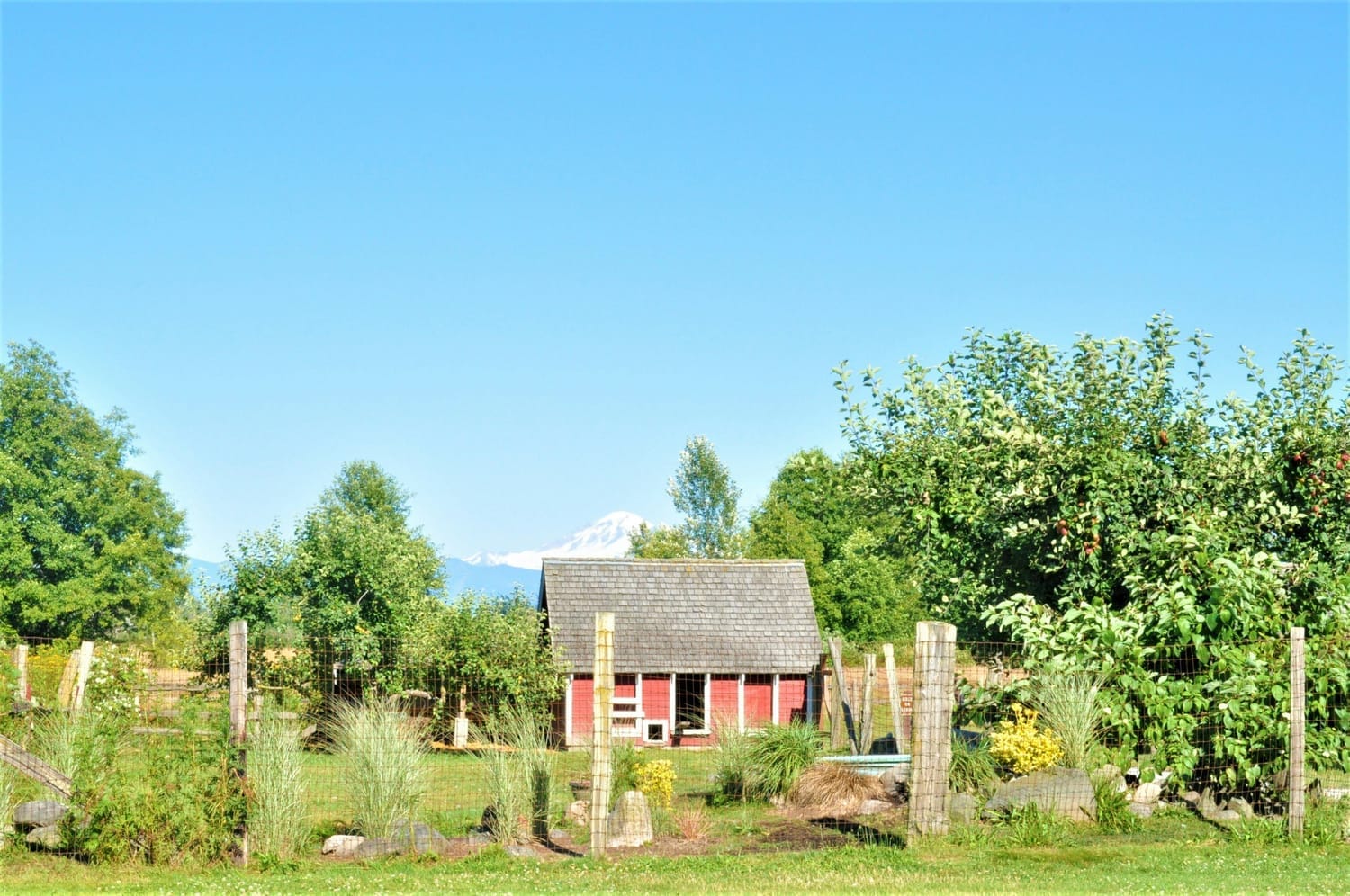
What You Can Do
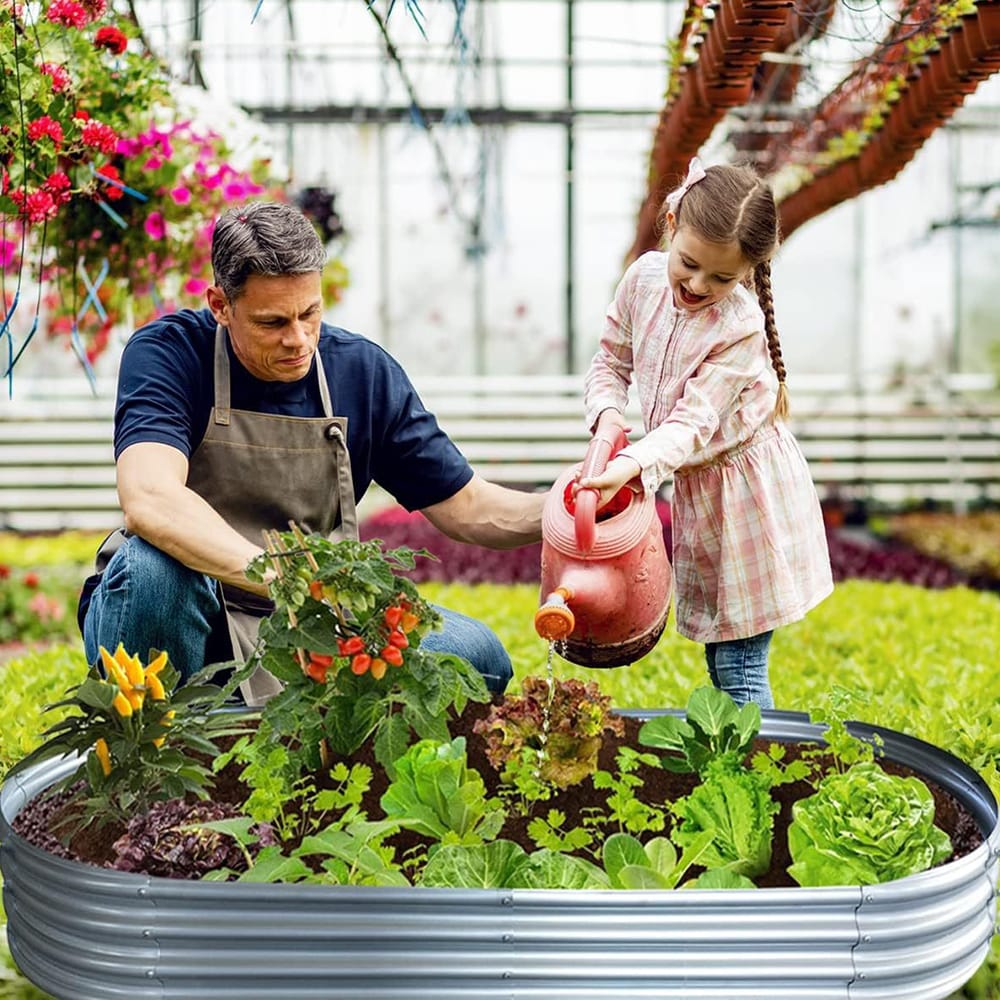
Raised garden beds: Several productive beds can supply a significant portion of your vegetable needs.
Backyard chickens: A small flock of 3-5 hens requires minimal space but provides fresh eggs daily.
Fruit trees: Dwarf varieties can produce full-sized fruit in limited spaces.
Vertical gardening: Growing up instead of out maximizes your growing space.
Rainwater collection: Even on smaller properties, collecting rainwater reduces your dependence on municipal systems.
Beekeeping: Depending on local regulations, a single beehive can work in many suburban settings.
Many suburban homesteaders find they can grow 25-50% of their produce needs on a well-managed quarter-acre lot.
The key is using space wisely and focusing on high-yield crops.
Classic Homestead (One to Five Acres)
This size range is what many people picture when they think of a hobby farm or small homestead:
What Becomes Possible
Expanded garden plots: With rotation systems for better soil health.
Larger chicken flock: Enough for family eggs plus some to sell or barter.
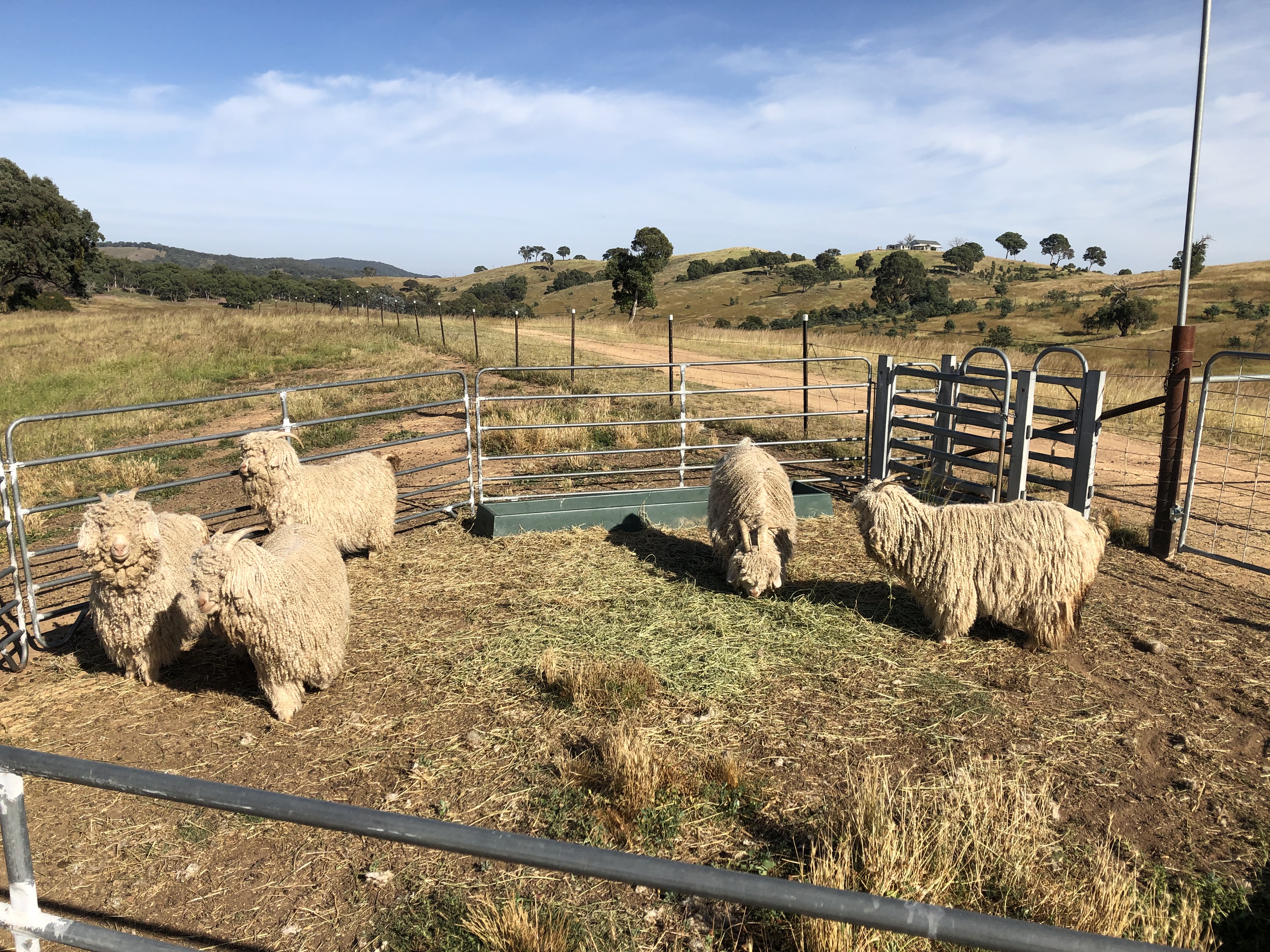
Small livestock: A couple of goats, sheep, or even a pig becomes possible.
Orchard: A diverse collection of fruit and nut trees.
Beehives: Multiple hives for honey production.
Larger rainwater systems: For garden irrigation and livestock.
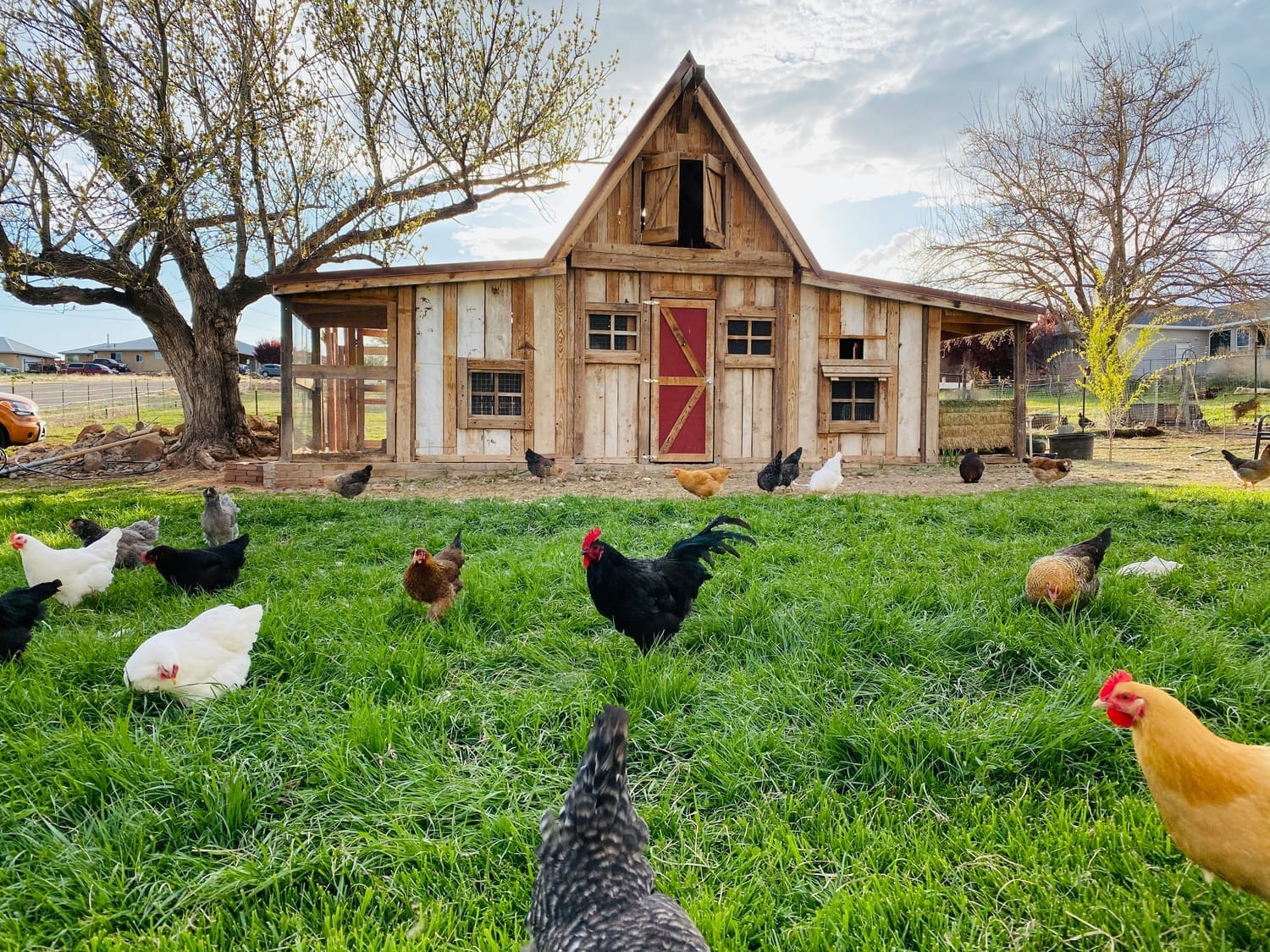
At this scale, you can realistically aim to produce most of your own vegetables, fruits, eggs, and some meat. Many homesteaders at this size begin small-scale selling or bartering of excess produce.
One smart strategy is placing chicken runs under fruit trees. The chickens eat fallen fruit (preventing pest problems) while fertilizing the trees - a perfect symbiotic relationship!
Large Homestead (Five+ Acres)
With five or more acres, you're entering the realm of serious production potential:
Scaling Up
Larger livestock: Cows become practical at this scale.
Commercial possibilities: Egg sales, CSA produce boxes, or specialty crops.
Expanded infrastructure: Root cellars, larger barns, processing areas.
More self-sufficiency: Potential for growing most of your own food.
However, this size comes with significant challenges:
Time commitment: Managing this much land becomes a part-time or full-time job.
Infrastructure costs: Fencing, water systems, and outbuildings require investment.
Learning curve: More complex systems mean more to learn and potentially more mistakes.
Balance with off-farm work: Most new homesteaders still need outside income.
Start Where You Are
The most important lesson about homesteading and land size is this: start with what you have. Don't wait for the "perfect" property before beginning your journey toward self-sufficiency.
If you have a windowsill, grow herbs. If you have a balcony, add container vegetables. If you have a yard, put in some raised beds and maybe get a few chickens.
Each step teaches valuable skills that will serve you well if you eventually move to a larger property.
In fact, starting small is often the wisest approach - mistakes are less costly, and you can discover what aspects of homesteading you truly enjoy before making bigger commitments.
The Path Forward
Many successful homesteaders followed a gradual path:
Urban homesteading skills while living in apartments
Small suburban gardens and maybe chickens
One to five acres for a more complete homesteading experience
Larger acreage only after mastering smaller-scale systems
This stepped approach allows you to build skills, confidence, and financial resources gradually rather than jumping in over your head.
Final Thoughts
Remember that homesteading isn't about competing with others or achieving some perfect ideal of self-sufficiency. It's about connecting with your food, learning practical skills, and moving toward a more sustainable lifestyle at whatever scale works for you.
Whether you're growing herbs on a windowsill or managing acres of land, you're part of a movement toward more resilient, locally-based living. Every small step matters.
The most successful homesteaders aren't necessarily those with the most land - they're the ones who use what they have wisely and keep learning along the way.
So don't let lack of land stop you from starting your homesteading journey today. Begin where you are, use what you have, and grow from there!
Want to Ditch the Store and Produce More of Your Own Food?
Join the Mojo Homestead community for practical homesteading tips, backyard chicken advice, seasonal gardening inspiration, and simple ways to build a more self-sufficient lifestyle.
Because every egg you collect yourself is one less reason to rely on the supermarket.


BY MOJO HOMESTEAD