
How to Become More Self-Sufficient in 12 Months
How to Become More Self-Sufficient in 12 Months (Without Burning Out)
After seven years on the farm, raising animals, growing food, working off-farm and raising kids, I can tell you something honestly.
We are not 100% self-sufficient.
What we are is a whole lot more self-sufficient than we were when we started.
And that’s the point.
If you’re aiming to become completely self-sufficient in 12 months, you’re setting yourself up for exhaustion. For most of us, homesteading is not our only job. We’re working. We’re parenting. We’re caring for family. We’re juggling life.
Self-sufficiency isn’t about flipping a switch. It’s about steady progress.
This is your practical roadmap to becoming more self-sufficient over the next year — without burning out.
Stop Aiming for 100% and Start Aiming for Progress
There’s a romantic image of homesteading floating around. Fresh bread daily. Veggies overflowing. Chickens laying on cue. A freezer full of homegrown meat.
The reality? That’s a full-time job. And most of us already have one.
Instead of asking how to become fully self-sufficient, start asking better questions. What could you stop buying this year? What could you learn to make? What could you grow instead of purchasing?
Maybe it’s as simple as herbs on the veranda. Basil, parsley, coriander and thyme growing in pots so you never buy those sad supermarket bundles again. Maybe it’s committing to producing all your own eggs for a year. Maybe it’s learning to bake bread properly so you can replace that weekly loaf.
One thing. Not everything.
Start With a Simple Stocktake of Your Home
Before you plant a single seed or buy a single chicken, sit down and look at your household honestly.
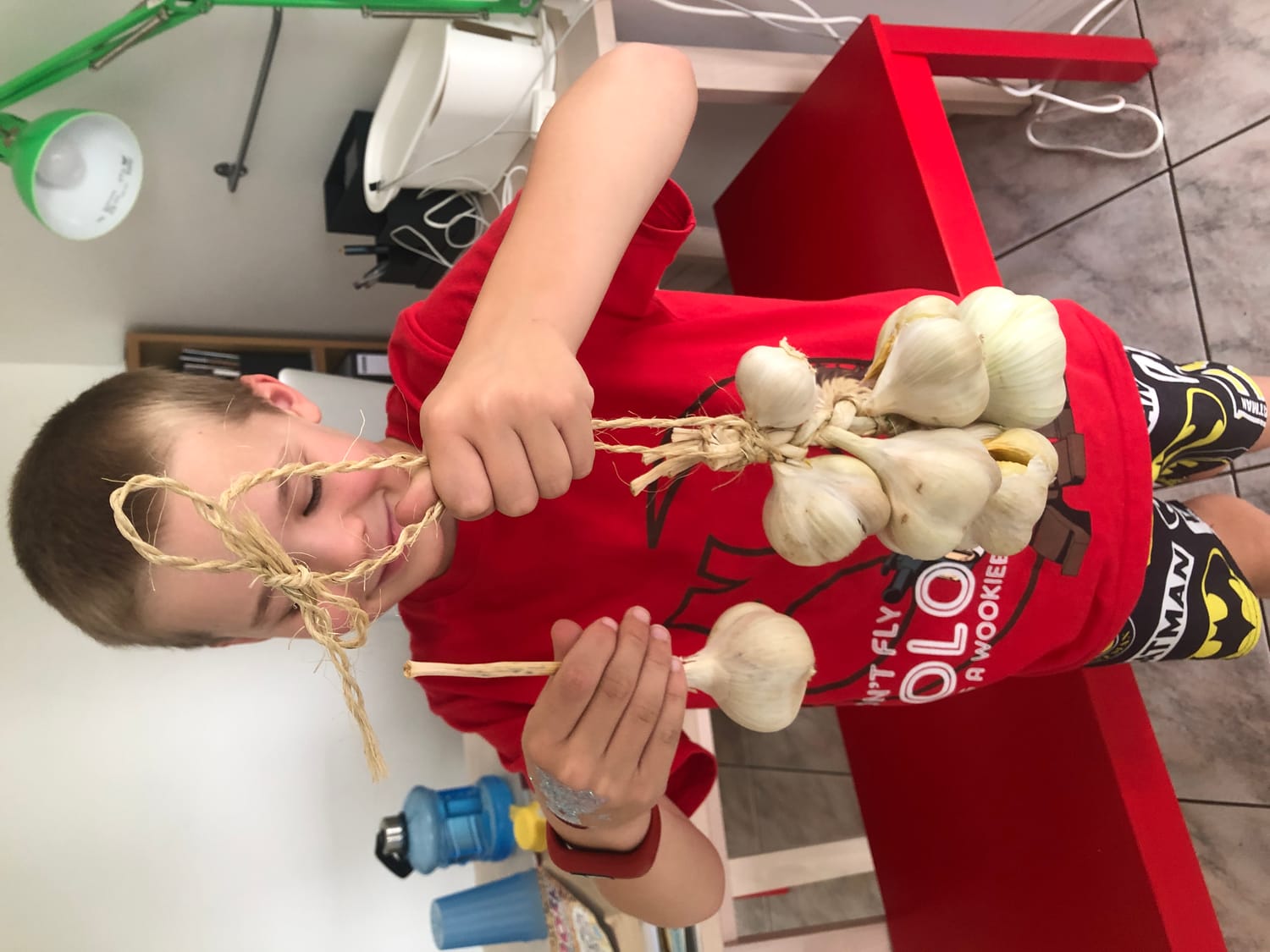
What are five foods you buy every single week? The ones that always run out. Eggs? Potatoes? Garlic? Tomatoes? Onions? These are your clues. They’re telling you what your family actually eats, not what looks pretty in a garden photo.
Then think about the household products you constantly replace. Soap. Laundry powder. Cleaning spray. Toothpaste. These are recurring expenses. Reducing even one of them shifts your budget over time.
Finally, consider one skill you wish you had.
Baking sourdough.
Preserving.
Fermenting.
Soap making.
Basic repairs.
Don’t pick five. Pick one. Mastery comes from focus, not chaos.
A Seasonal Approach to Self-Sufficiency
The easiest way to avoid overwhelm is to work with the seasons instead of against them. Each season has a job. Each season builds on the last.
Autumn: Build Foundations, Not Empires
Autumn is about soil and systems. It’s not about trying to feed the whole neighbourhood.
This is the time to build one garden bed, not five. Plant garlic and onions — they’re low effort and high reward, especially heading into winter. Start composting, even if it’s just an old bin half buried in the ground. Begin saving veggie scraps for stock.
If chickens are on your radar, focus on building or buying a secure coop first. Three or four hens are enough for most families. Keep an egg tally. Track your feed costs. Know your numbers.
Autumn sets you up for everything else. Slow and steady here makes the rest of the year easier.

Winter: Skill-Building Season
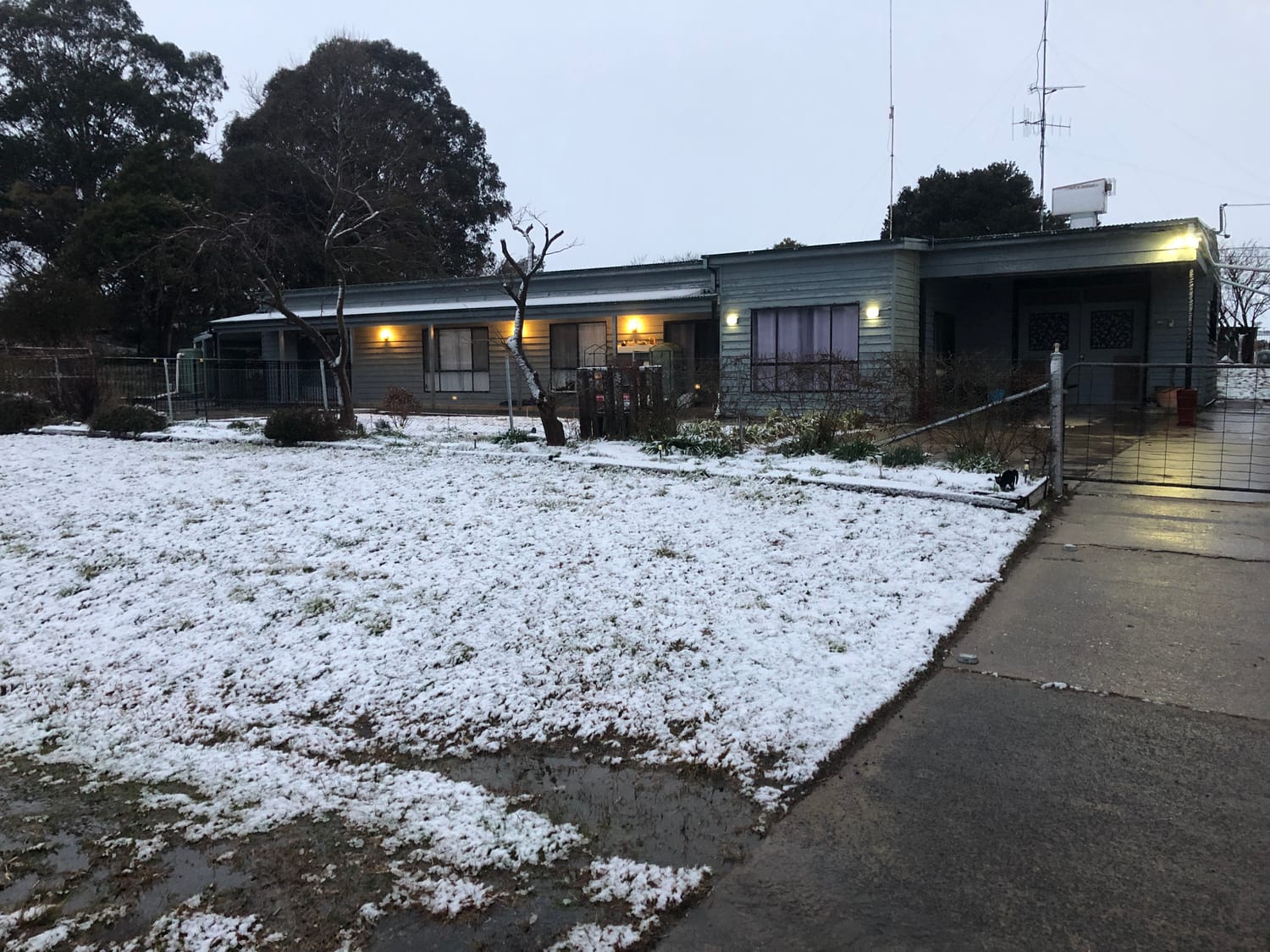
Winter gets labelled as “quiet,” but it’s actually strategic.
You’re inside more. Use that time.
Cook from scratch more often. Four nights a week is a solid goal. Soups, casseroles, slow meals that build your confidence. If you have a wood stove, even better — let it do the heavy lifting.
Learn one preserving method. Fermenting is a brilliant place to start. Sauerkraut is just cabbage and salt, yet it builds gut health and food security in one go. You don’t need to overcomplicate it.
Try making one household product. Cleaning spray or laundry powder are simple starting points. Soap is doable too, just make sure you have good ventilation.
Winter is also a great time to track your grocery spending for a month. When you see where your money goes, you’ll know exactly what to focus on growing in spring.
Winter isn’t lazy. It’s preparation.
Spring: Production Mode
Spring feels exciting. Everything wants to grow.
This is where people go overboard.
Only plant what your family actually eats. If no one likes eggplant, don’t grow it just because it looks impressive. Keep a notebook and record planting dates, harvest yields and what worked.
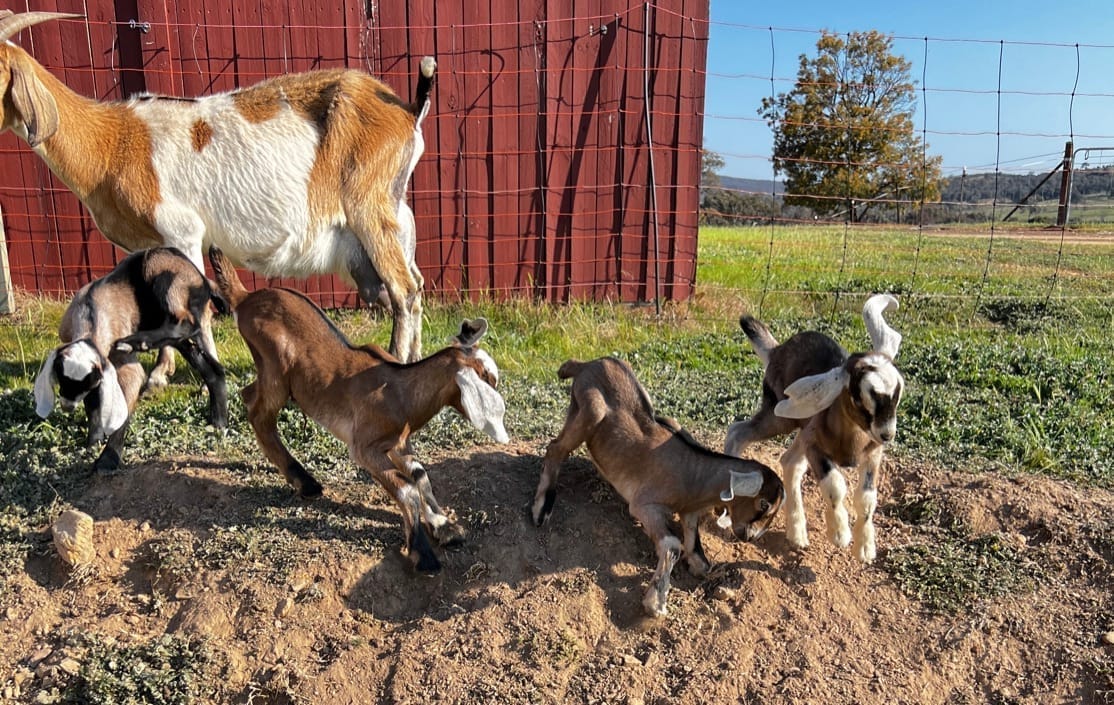
If you’re ready, you might add one new element in spring. Chickens. Ducks. Bees. An extra garden bed. But only if your current systems feel manageable. Expansion should feel like a stretch — not a breaking point.
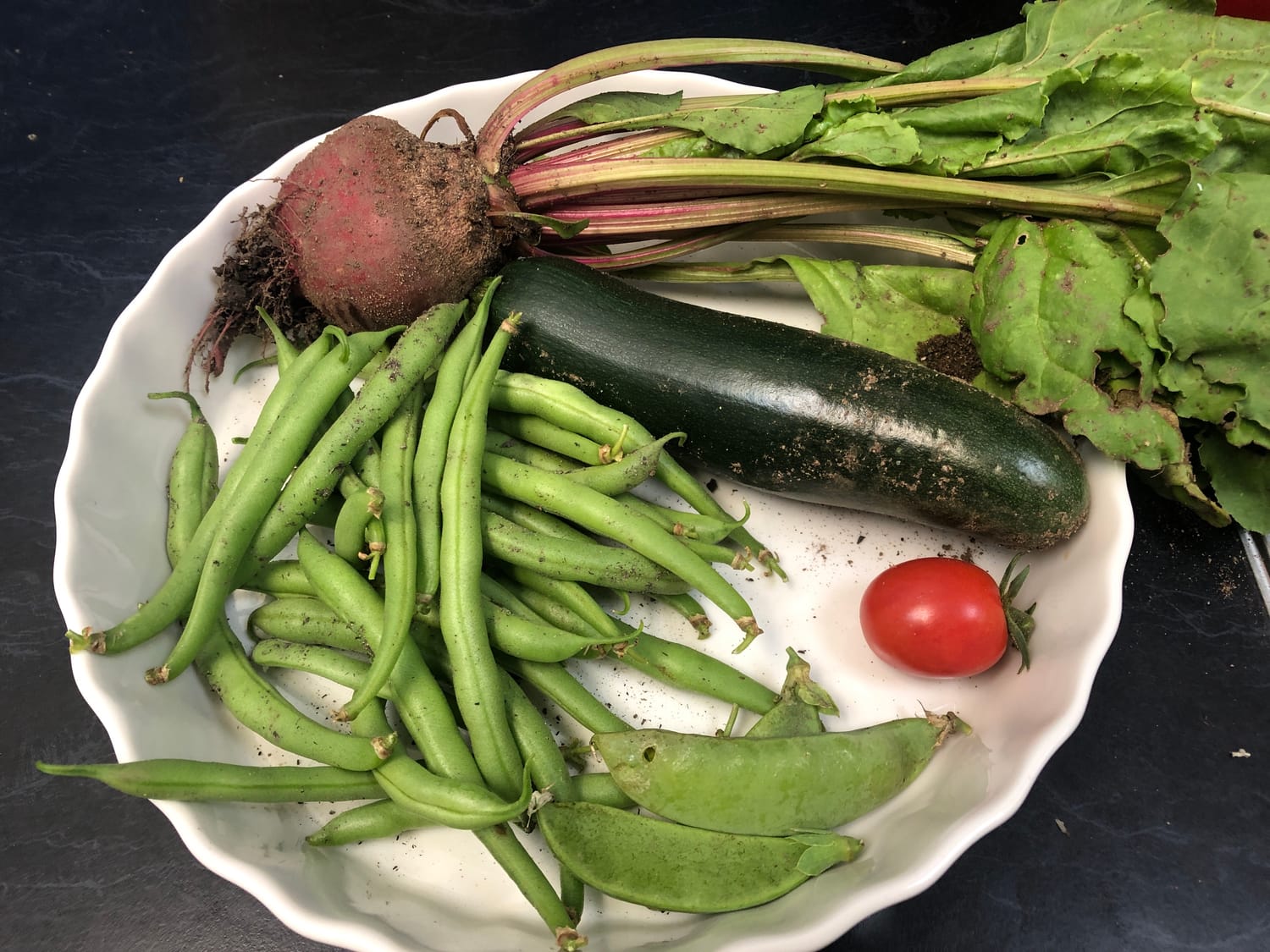
Make it a goal to eat something from your garden daily, even if it’s just herbs sprinkled over dinner. That consistency changes your mindset from consumer to producer.
Summer: Harvest and Assess
Summer is abundance. It’s also honesty season.
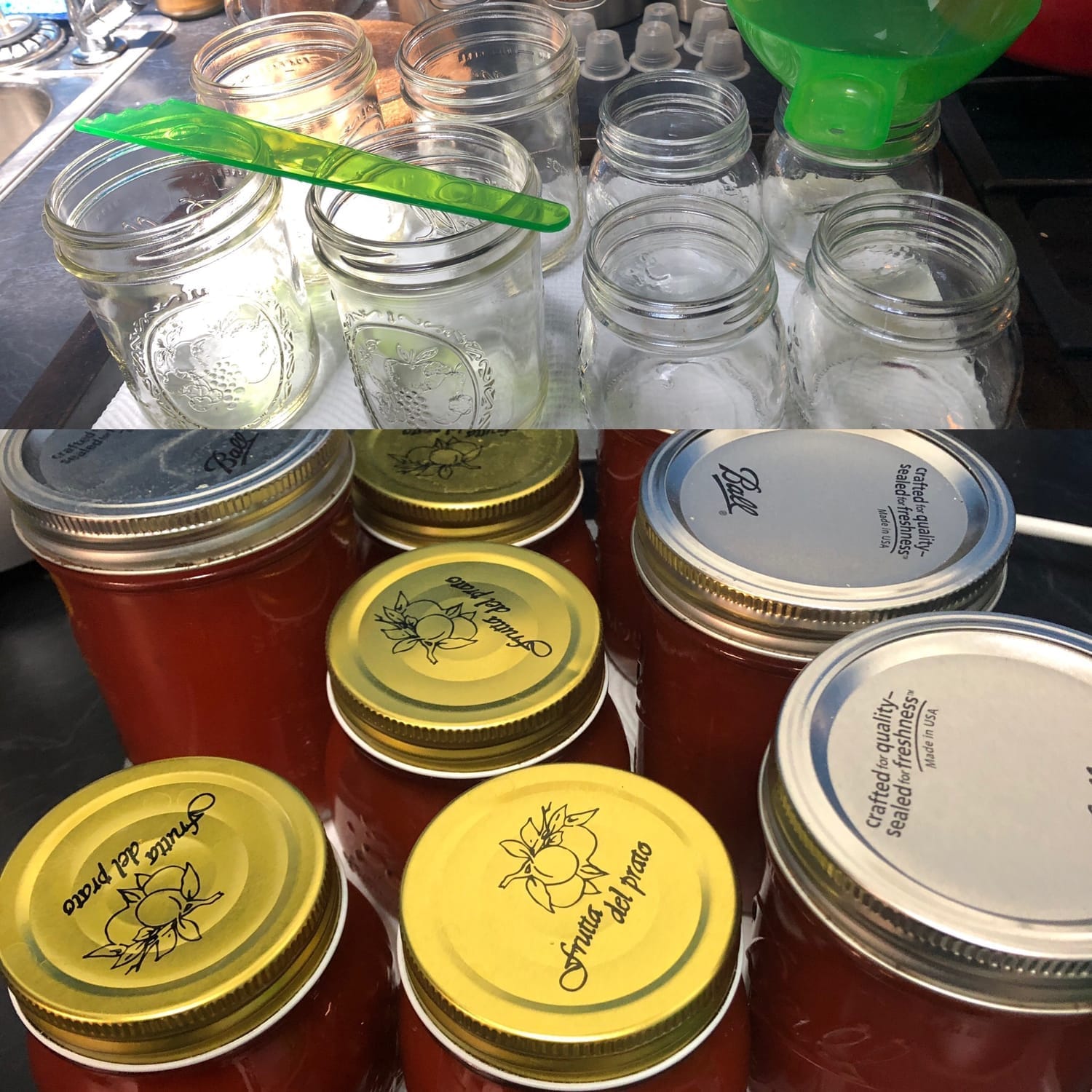
Preserve one thing in bulk. Tomatoes, beans, jam, relish — something that will carry you into winter. Learn how to store onions and pumpkins properly. Cure them. Dry them. Keep potatoes cool and dark.
Then sit down and assess.
What did you actually eat?
What was wasted?
Was it worth the effort?
If you don’t write it down, you’ll forget and repeat the same mistakes next year.
What Real Self-Sufficiency Looks Like Week to Week
It’s not picture-perfect.
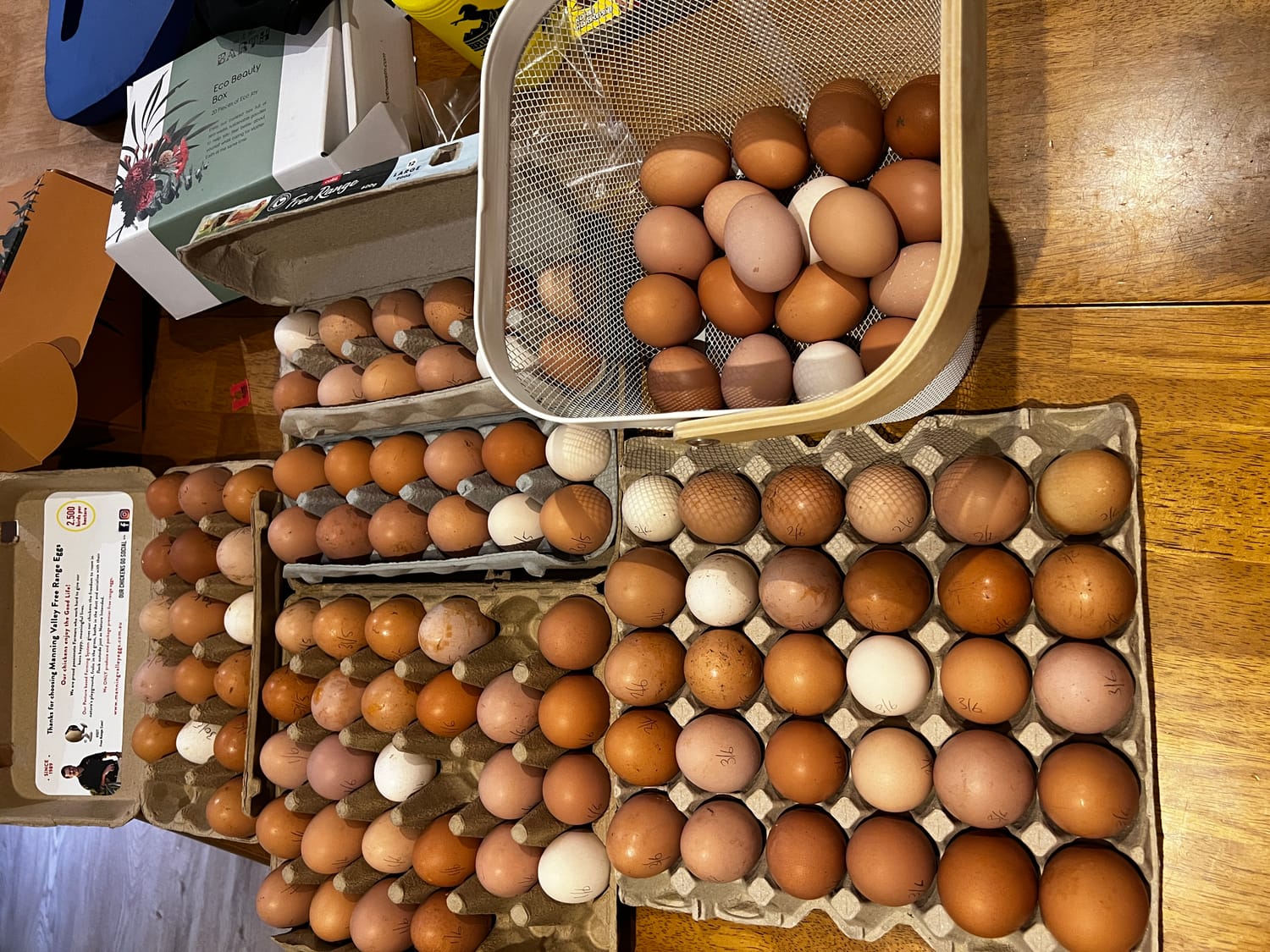
It’s collecting eggs daily. Watering the garden after work. Baking bread when it suits your schedule. Turning compost on the weekend. Batch cooking so you’re not tempted by takeaway.
Some weeks you’ll fall behind. Chickens won’t get moved on time. Bread won’t get baked. Life happens.
Resilience matters more than rigidity.
The Mindset That Makes or Breaks You
Most beginners don’t quit because they can’t grow food.
They quit because of the stories they tell themselves.
You don’t need acreage to start. You can grow herbs on a windowsill or veggies in raised beds in suburbia.
You don’t need to “know more” before beginning. You learn by doing.
And it doesn’t have to be everything to count. If you’re doing more than last year, you’re winning.
Six Areas to Focus On (But Only One at a Time)
Food production.
Animals.
Preserving.
Homemade products.
Repairs.
Health through real food.
Choose one per season. Improve it slightly. Move on.
That’s how you build capability.

Final Thoughts: Self-Sufficiency Is Progress, Not Perfection
You will still buy toilet paper.
You might still buy chicken meat occasionally even if you raise chickens.
Some weeks you’ll grab takeaway because life explodes.
That doesn’t cancel out your progress.
If you reduce one cost, learn one skill, grow one food and become just a little more resilient this year, that’s a genuine win.
Self-sufficiency isn’t about being extreme.
It’s about being capable.
So tell me — what’s your one focus this season?
Want to Ditch the Store and Produce More of Your Own Food?
Join the Mojo Homestead community for practical homesteading tips, backyard chicken advice, seasonal gardening inspiration, and simple ways to build a more self-sufficient lifestyle.
Because every egg you collect yourself is one less reason to rely on the supermarket.


BY MOJO HOMESTEAD