
May Garden Jobs
May Garden Jobs: Your Autumn Cleanup Checklist
May is one of my favourite months in the garden.
It's not quite cold enough to put you off going outside, but it's cool enough that you know winter is coming — and that means it's the perfect time to get your garden sorted before you'd rather be inside with a cup of tea.
Think of it as an autumn clean instead of a spring clean. A bit of a declutter. Get it done now and when you head back out in September, you're going into a garden that's already half prepped and ready to go.
That's a gift to future you.
Whether you're on an urban block, a suburban backyard, or a full homestead like us — this checklist applies. Let's step through it.
Step 1: Harvest What's Left
First things first — get everything out of the ground before the frosts hit.
If you're in a warmer climate and things are still ripening, great. But if you know frosts are coming, don't wait.
Green tomatoes will ripen on the windowsill.
Pumpkins and squash need to come in and be cured — leave them somewhere warm and sunny for a few weeks until that outer skin goes hard. Done right, a properly cured pumpkin will last months in a cool, dry spot.
Zucchinis and beans — if they've gone woody and oversized, they're past eating. Chuck them to the chickens or straight into the compost.
Herbs — harvest now and preserve what you can. (More on that next week.)
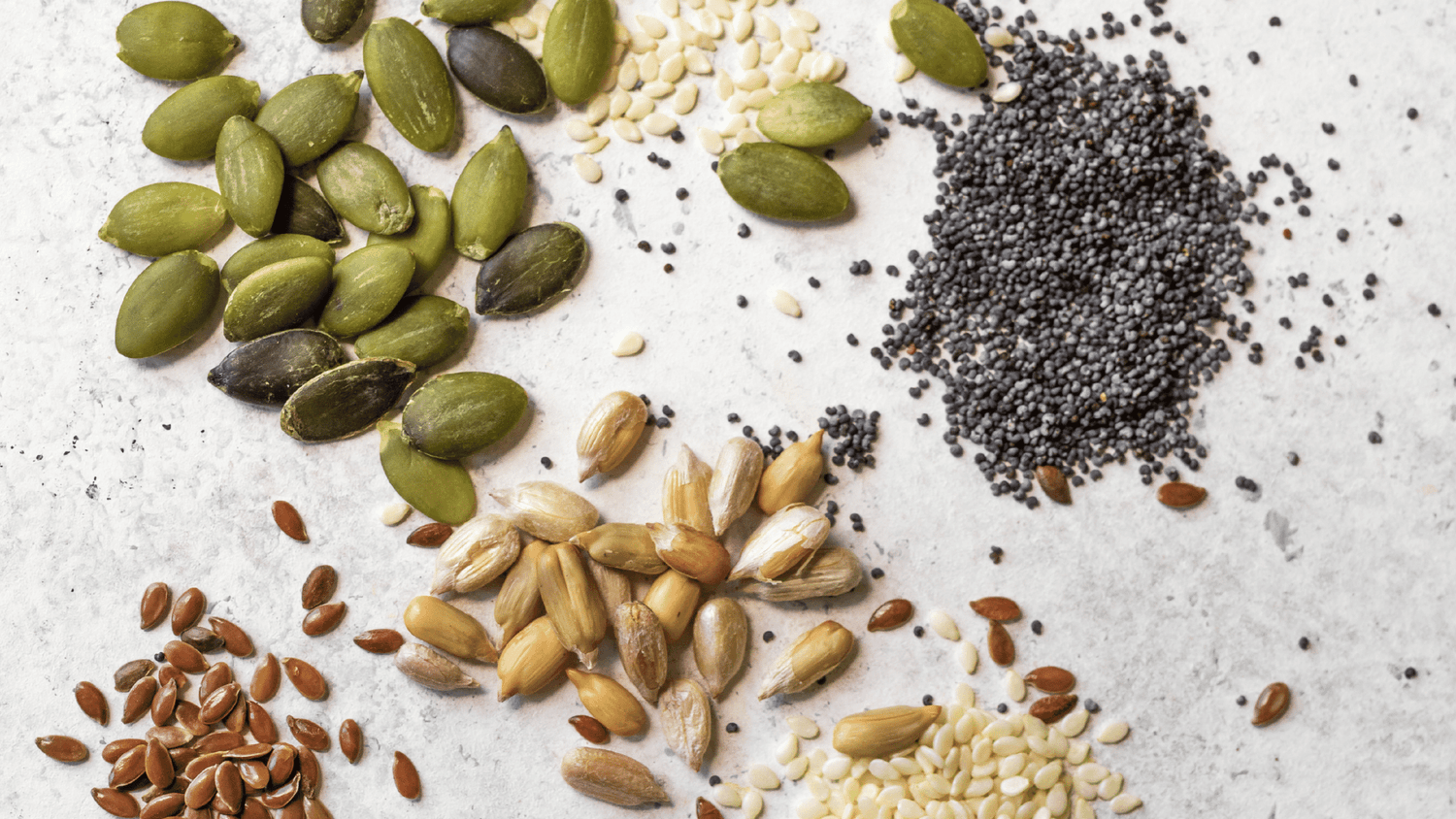
Don't forget seed saving. Before anything goes to compost, scrape out seeds from zucchinis, cucumbers, tomatoes — anything you grew and loved. Store them dry and you won't need to buy those seeds again next season.
Just make sure you're saving from open-pollinated or heirloom varieties, not treated seeds from chain stores, or they won't propagate properly.
Step 2: Prep Your Garden Beds
Once you've harvested, it's time to reset the beds. This is one of the most important things you can do all year.
Pull out spent plants — tomato bushes, bean plants, zucchini vines. If anything looks diseased, don't compost it. Burn it or bin it. Putting diseased plant matter into your compost just keeps that cycle going.
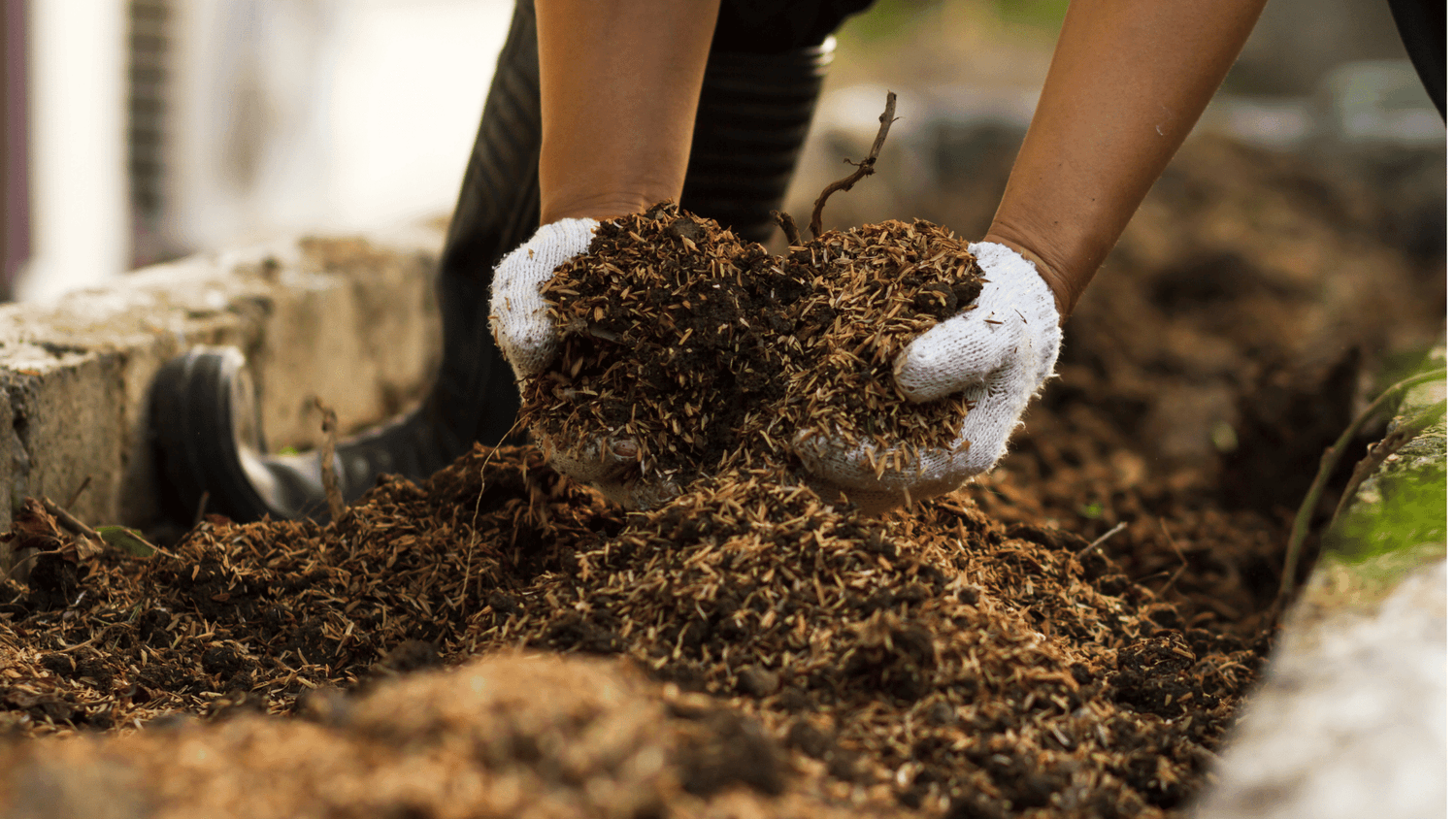
Once the beds are clear, add compost. If you've got a pile going (see Episode 160 if you haven't started one yet), now is the perfect time to work it through. Fork it into the top 10–15cm of soil so it's properly mixed in. Empty beds in May give the microorganisms all winter to do their thing — and your soil will be in brilliant shape by spring.
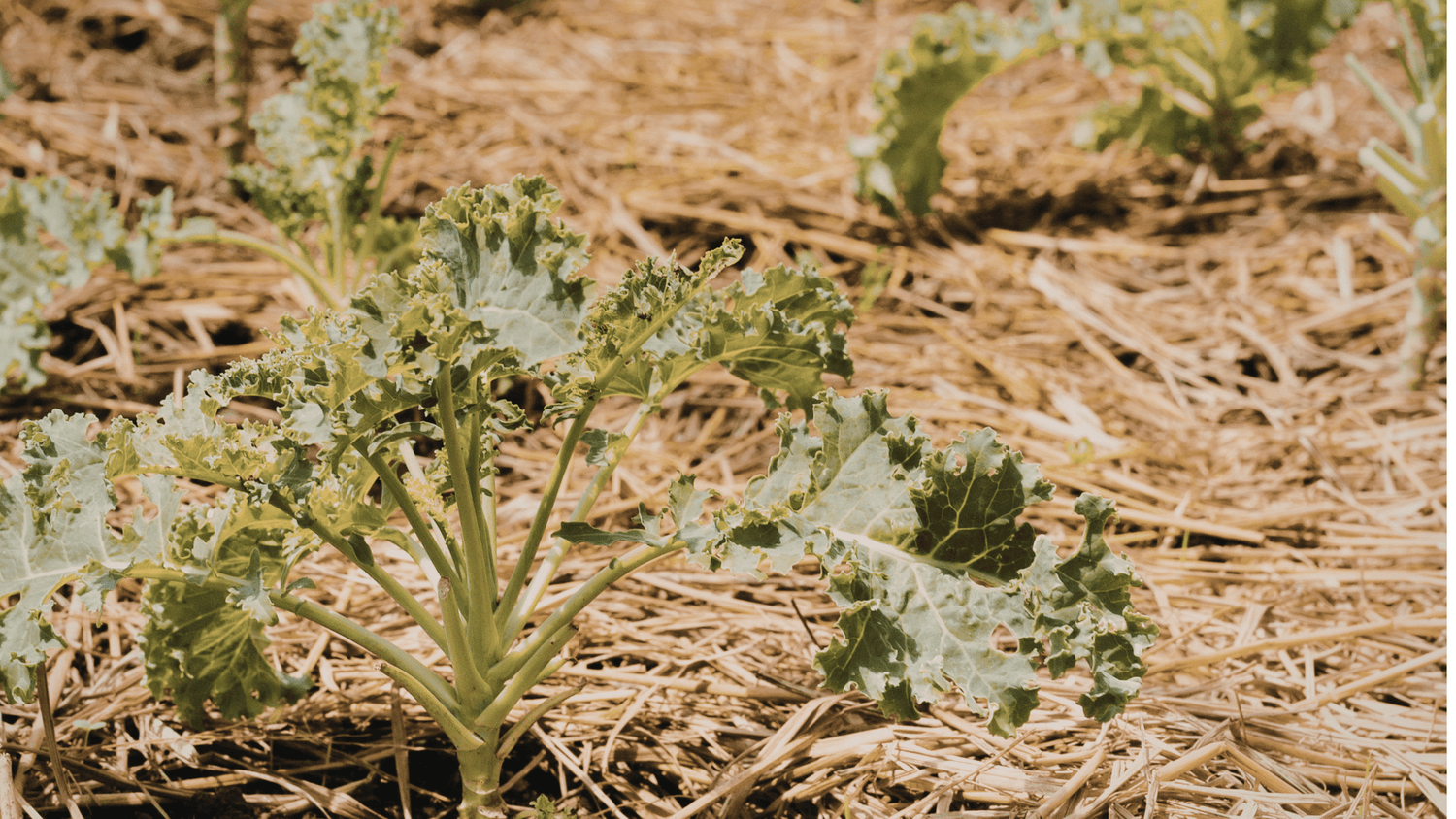
Top it off with a layer of mulch — straw, sugarcane, shredded leaves, cardboard, or even wool if you've got it. Mulch suppresses weeds, holds moisture, protects the soil from wind and rain, and keeps the soil temperature just a little bit higher so the biology underneath keeps ticking along.
Rotate your beds. If a bed had tomatoes last season, don't put tomatoes back in the same spot.
A rough rule: rotate between root crops, leafy crops, fruiting crops, and legumes so nothing sits in the same bed for more than a couple of years. Your soil will thank you.
What to Plant in May
Don't make the mistake of thinking autumn means nothing grows. It absolutely does — it just shifts.
Broad beans — hardy, low maintenance, and they fix nitrogen into the soil naturally. Direct sow 5cm deep, 15–20cm apart.
Peas — snow peas, sugar snap peas, shelling peas. They love the cold. Give them something to climb and cover with shade cloth if you're in a heavy frost area.
Winter brassicas — broccoli, cauliflower, cabbage, Brussels sprouts. May is your last chance to get seedlings in, so if you haven't started seeds, grab seedlings from the nursery now.
Leafy greens — silverbeet, spinach, Asian greens, lettuce. Great for filling gaps between other plants and some studies suggest they actually taste better after a light frost. Worth trying.
Garlic and onions — if you missed last week's episode (Episode 161), go back and listen. Get them in now.
Root vegetables — beetroot and radishes will grow slowly through winter and be ready by late winter or early spring. Carrots too, if you've got light, sandy loam soil (I've never had luck with them, but maybe you will).
Step 3: The Unglamorous Stuff (Do It Anyway)
This is the part nobody talks about, but it makes a real difference — especially if you're on a bigger property.
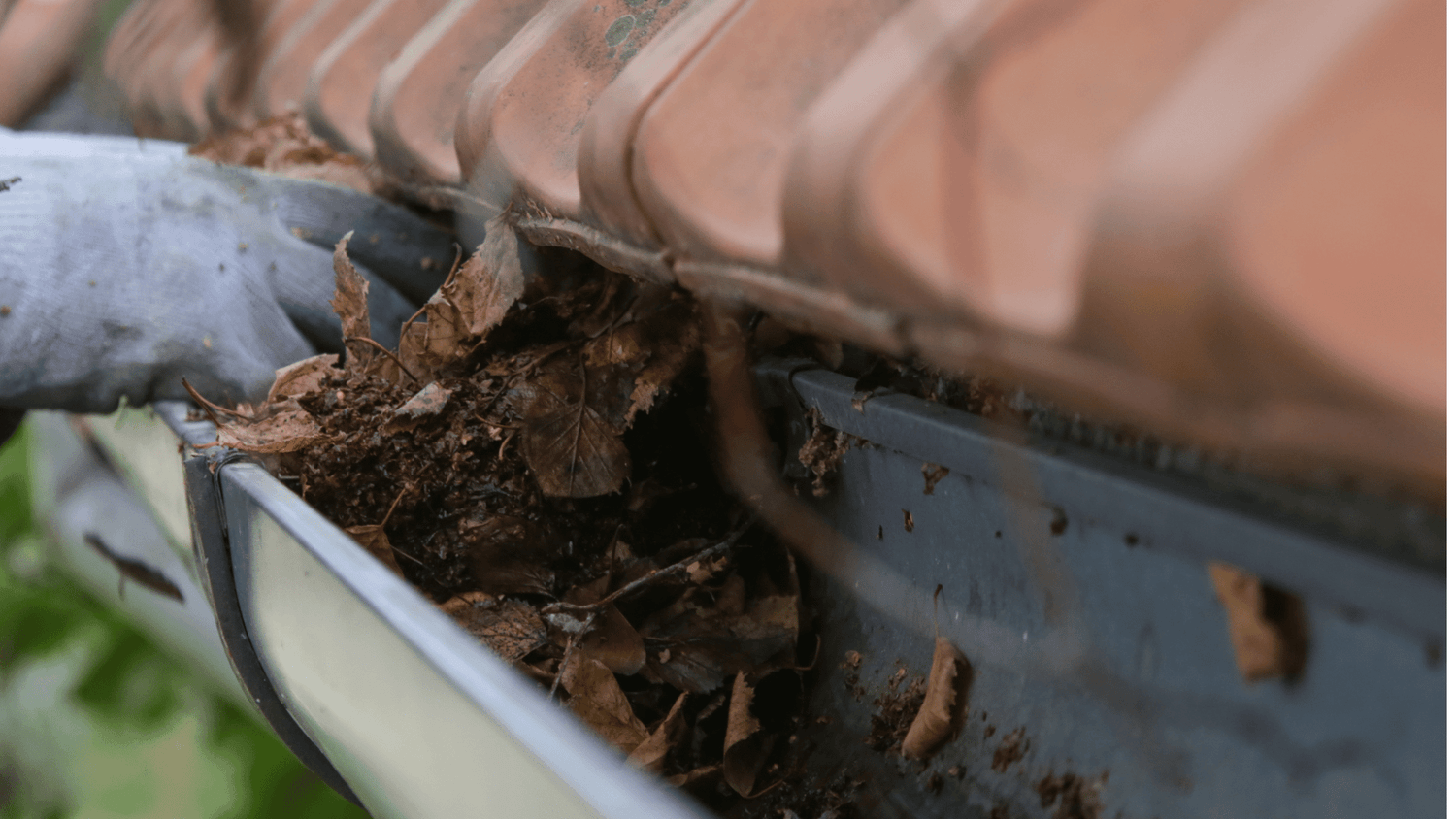
Clear the debris. Dead leaves, spent plant matter, old mulch, bits of timber lying around — clean it up. This is what attracts pests, fungal disease, and in warmer months, snakes. Doing it now while it's cold means you're not dealing with it in spring when everything else is happening.
Weed now, not later. Weeds still grow in winter, and they'll go to seed and populate again for spring if you leave them. Pull them while the ground is damp and the roots come out easily. An hour in the sun now saves you a lot of grief in September.
Clean and sharpen your tools. A rainy May day is the perfect time for this. Wipe down, sand off any rust, disinfect your pruners and secateurs — if you've had any disease in the garden, you don't want to be transferring it back in on your tools. Sharpen anything that needs it. You'll be pruning fruit trees come late winter and you want them ready.
Check your infrastructure. Watering systems, hose connections, trellis, garden bed walls, fencing. Fix anything that was annoying you all summer. If you need to add rabbit-proof fencing or patch a gate, now's the time — there's less going on in the garden and it's easier to get it done.
Step 4: Protect What You're Keeping
If you're in a frost-prone area, anything still in the ground or in pots needs protection.
A simple shade cloth frame leaned over garden beds is all you need to stop that direct hard frost landing on your plants. Doesn't need to be fancy — secondhand shade cloth, an old bed sheet over a timber frame, whatever you've got.
For root vegetables still in the ground, mulch around the base of the plants to keep the soil temperature more stable. The ground acts like a fridge — cold enough to keep things dormant, but not frozen solid. A layer of straw or sugarcane mulch keeps it from getting rock hard.
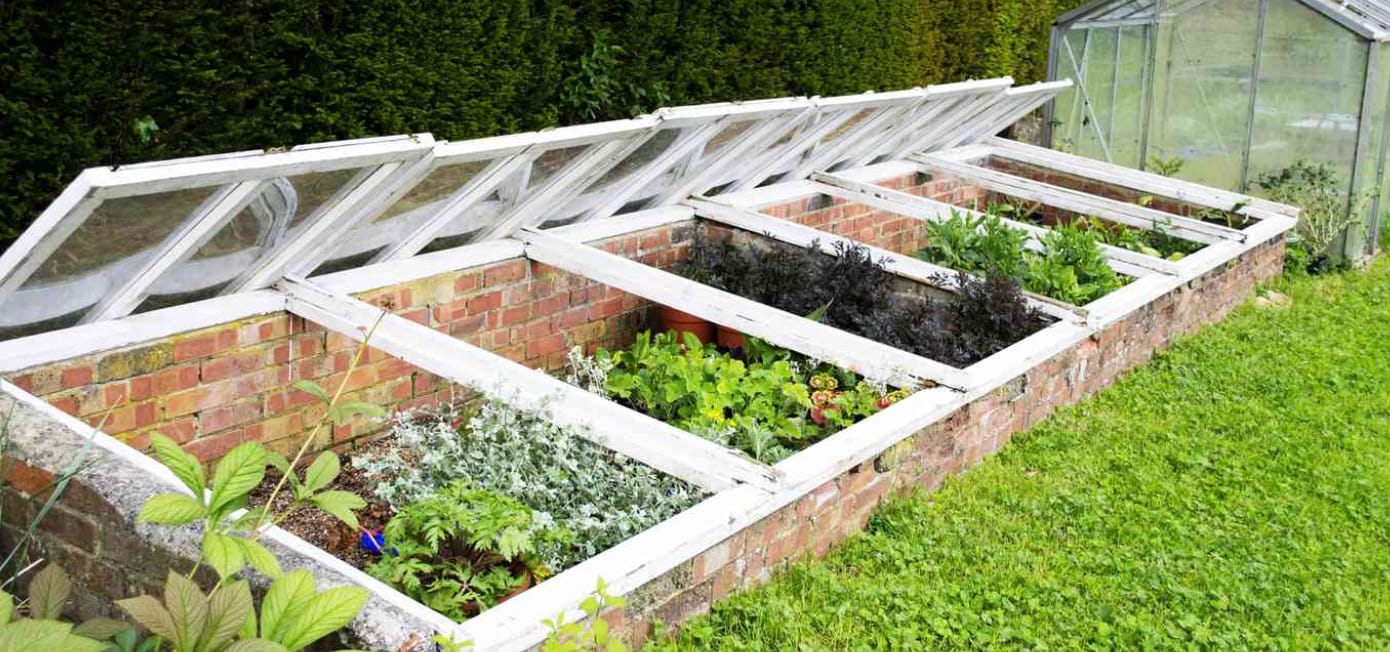
If you want to push things a bit further, cold frames work brilliantly — old windows hinged over garden beds trap heat from the sun and create a mini greenhouse effect. Great for extending your growing season without spending much.
Step 5: Plan for Spring (Now, While You're Thinking About It)
Winter is the best time to plan, because by the time spring arrives you'll be too busy to think straight.
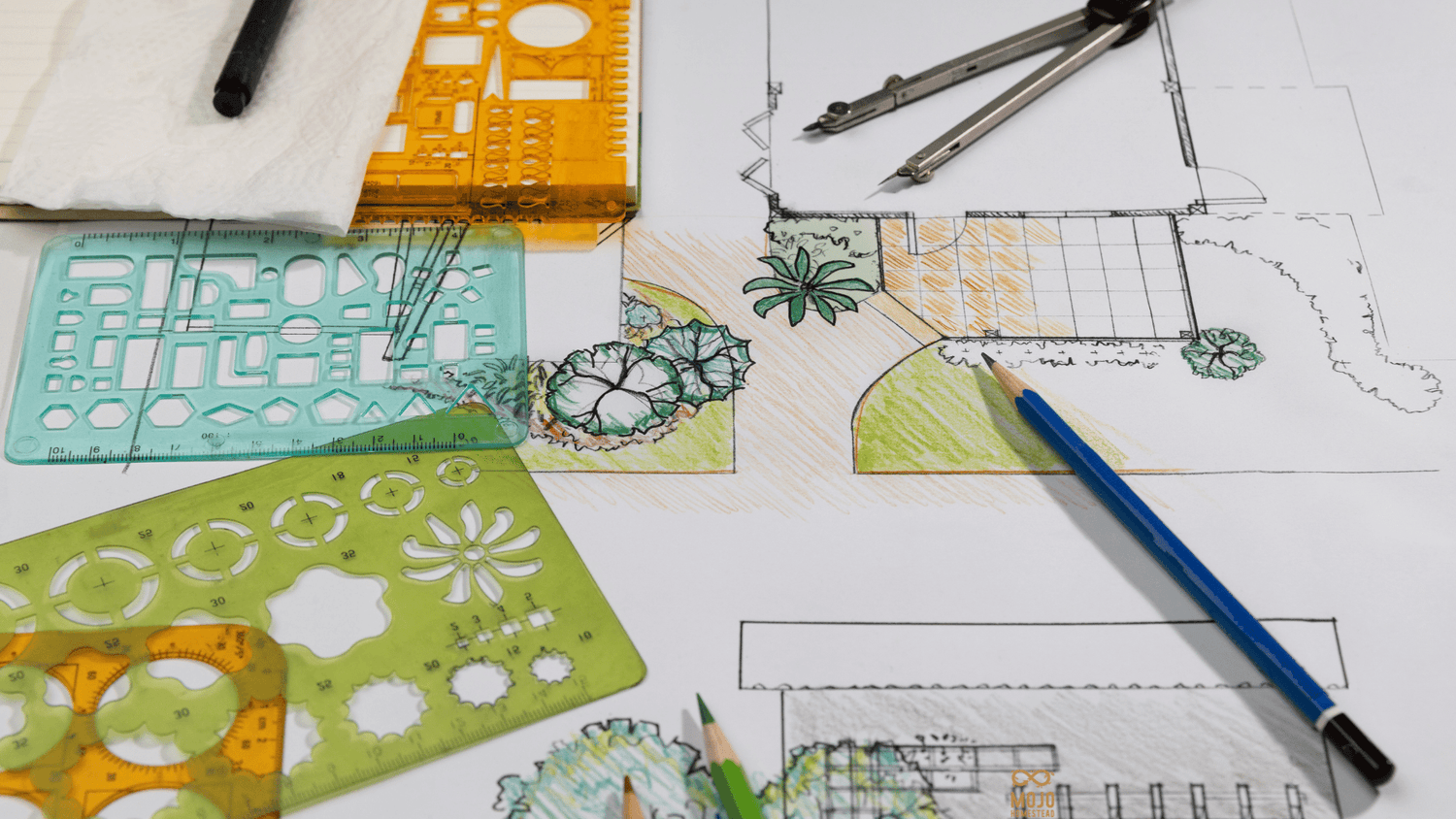
Sit down with pen and paper and map out what you want to grow and where. Review what worked this season and what didn't. Grew something nobody ate? Drop it. Ran out of cherry tomatoes every single year? Grow more. Only plant what your family will actually eat.
Order your seeds now. Eden Seeds (Australia) and Baker Creek Seeds (US) are great options. Spring is when everyone rushes to buy seeds and things sell out. Buy in winter when nobody else is thinking about it, store them somewhere cool and dry, and you're sorted.
Write it down. You will forget by September. I promise.
The Bottom Line
May is your window. It's not too cold to be outside, and there's a solid list of jobs that will set you up for a much easier spring. Get the harvest in, prep the beds, get winter crops going, tidy up the mess, and then give yourself permission to have a quieter couple of months.
You don't have to do it all in one weekend. Chip away at it. An hour here, an afternoon there. By the end of May, you'll have a garden that's clean, prepped, and ready — and that's a really good feeling.
For seasonal tips on what we're doing on the farm through winter, jump on the newsletter at mojohomestead.net . And if you want the full step-by-step guide to building a home that produces more than it consumes, the Ditch the Store book series is exactly that — links in the show notes.
Want to Ditch the Store and Produce More of Your Own Food?
Join the Mojo Homestead community for practical homesteading tips, backyard chicken advice, seasonal gardening inspiration, and simple ways to build a more self-sufficient lifestyle.
Because every egg you collect yourself is one less reason to rely on the supermarket.


BY MOJO HOMESTEAD