
My Farm Accident
When Farming Gets Real:
Surviving My Serious Farm Accident
Farm accidents aren't just stories you hear about—they can hit home when you least expect it.
Such incidents can occur even to those who consider themselves experienced in the farming life, and I never thought something like this would happen to me. But it did, and it changed everything in managing farms and homesteading.
In this post, I'm opening up about the raw truth of my accident with cows and the profound lessons I've drawn from such a daunting experience.
Stick around—it might just save you from facing the same farming realities that I encountered.
For the full in-depth story, be sure to listen to my podcast episode about the farm accident.
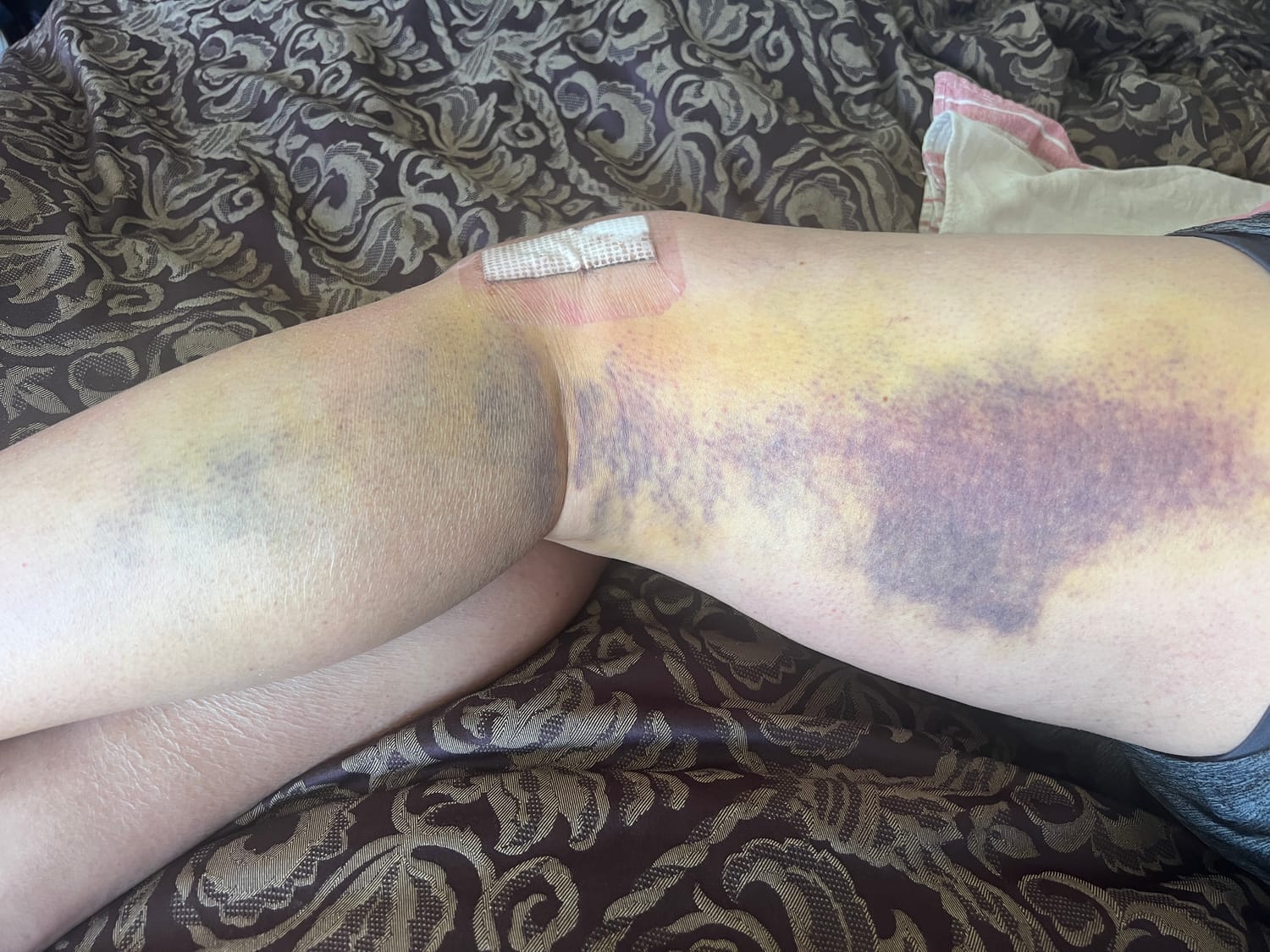
Warning: This post contains graphic injury images. Reader discretion is advised, do not read if you are not good with injury images.
A Simple Favor Turned Dangerous
What began as a routine favor to help a neighbor with a cow quickly escalated into a life-altering event that unfolded in mere seconds. That November morning, which started out appearing as ordinary as any other day on the farm, took a sudden and unexpected turn.
I drove up to a neighbor's place, dressed in my regular farm attire, expecting to spend just about 10 minutes there to assist in milking a cow whose teats were too large for her calf to latch onto properly.
This task seemed straightforward—and certainly not beyond someone with my years of experience working with animals—but it highlights how farming realities can catch you off guard, even when you think you know what you're doing.
As I turned to ask my neighbor a simple question about the cow, I made a critical mistake that many experienced farmers warn about—but that I had never truly understood. I turned my back on the animal while still standing in the yard with her.
In the blink of an eye, the cow kicked me with both of her powerful back feet, landing a solid hit on my left thigh. The force lifted me off the ground and sent me flying through the air until I crashed against the fence.
As I looked down at my leg, the realization of my serious predicament set in immediately. My leg was grotesquely pointing in a direction it shouldn't, an unmistakable sign of severe injury, and I was unable to get up.
And this was the leg that recieved a half knee replacement just 12 months earlier!
The Critical First Moments
When you're seriously injured on a farm, the first few minutes that follow can determine the eventual outcome.
I found myself unable to stand, but I knew I had to keep my head clear, against the odds, to guide my neighbor through the steps that needed urgent action:
Call an ambulance immediately. Time is of the essence in situations like this, where minutes can save limbs or lives.
Open all gates so emergency vehicles could access the property without any hindrance. Every second counts, and you don’t want rescuers delayed by locked barriers.
Get the cow out of the yard to ensure the safety of responders and manage the scene.
Retrieve my phone so that I could call my partner to inform them of the situation and have them prepare for medical emergencies.
This harrowing experience imparted a profound lesson—the crucial importance of having a well-thought-out emergency plan for your farm.
It's vital that everyone who lives or works on your property is fully familiar with:
Who to call in an emergency. Quick access to contacts can expedite response times.
How to guide emergency services accurately to your location. They should know the quickest routes and any potential obstacles.
What to do with animals to keep the scene safe and secure, minimizing risk to humans and animals alike.
Where important information is stored. Readily available details can help medical and emergency personnel make informed decisions.
While lying there, immobilized, and awaiting medical help, I tried to assess the extent of my injury.
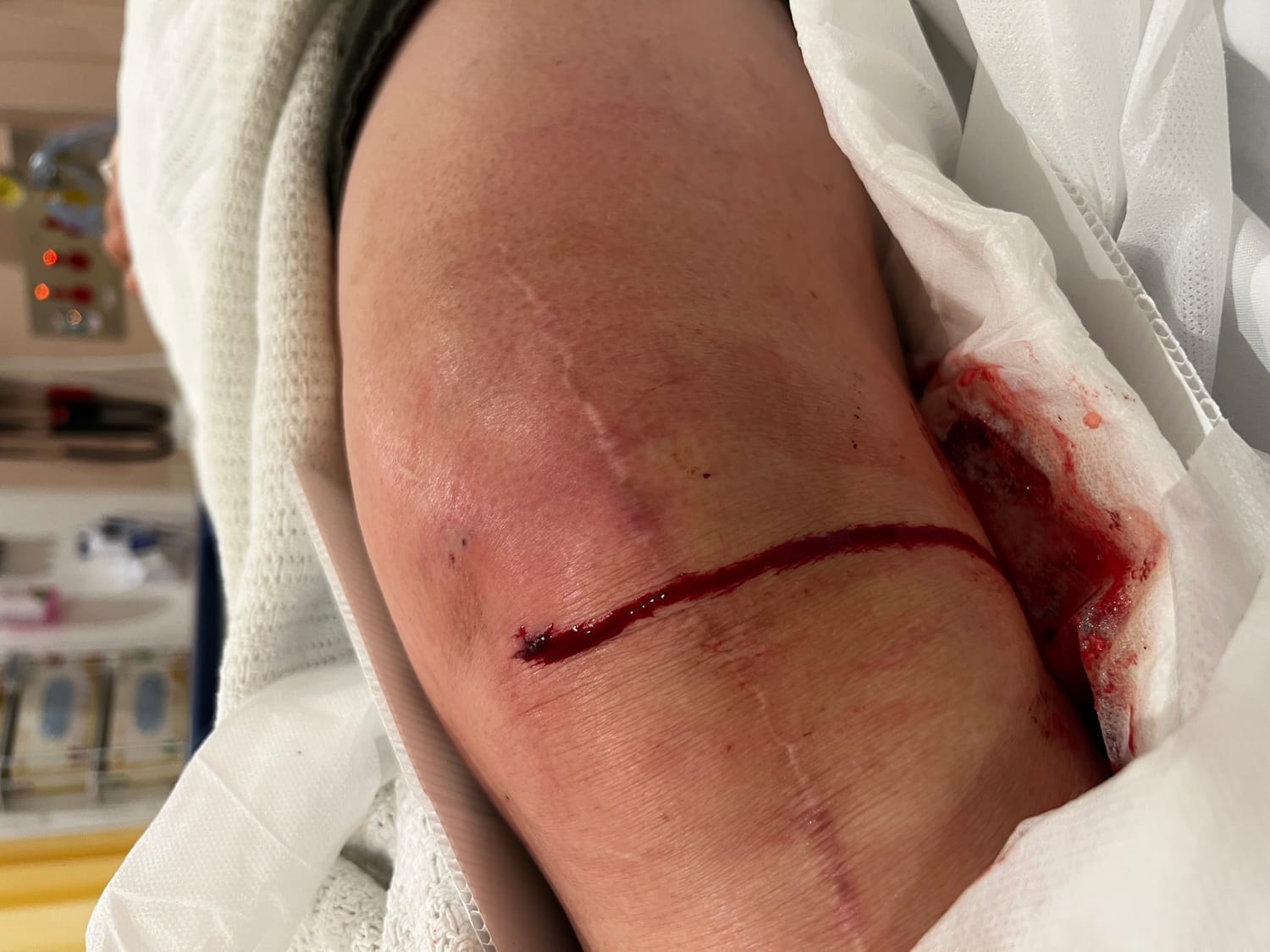
My leg felt distinctly misaligned beneath me, an ominous indicator of the damage. Additionally, I discovered that my knee was bleeding—a foreboding sign that suggested an injury far more serious than I initially thought.
The Medical Reality
The arrival of the ambulance team came after what seemed like an eternity but was, in reality, around 30 minutes. The sense of urgency from the experienced paramedic, who didn’t confirm whether my leg was dislocated or broken, conveyed the seriousness of my condition. His swift action to administer pain relief was a major clue.
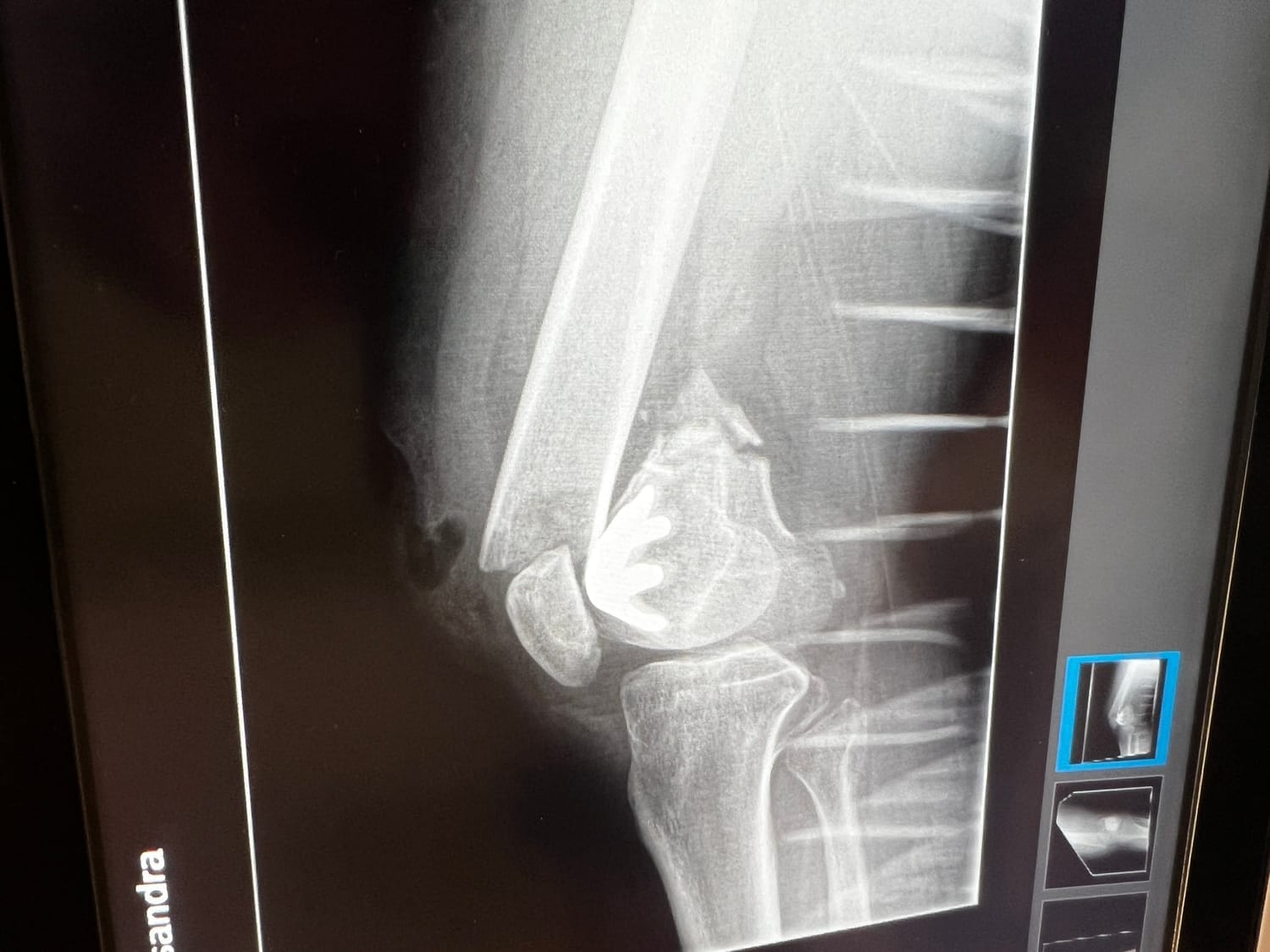
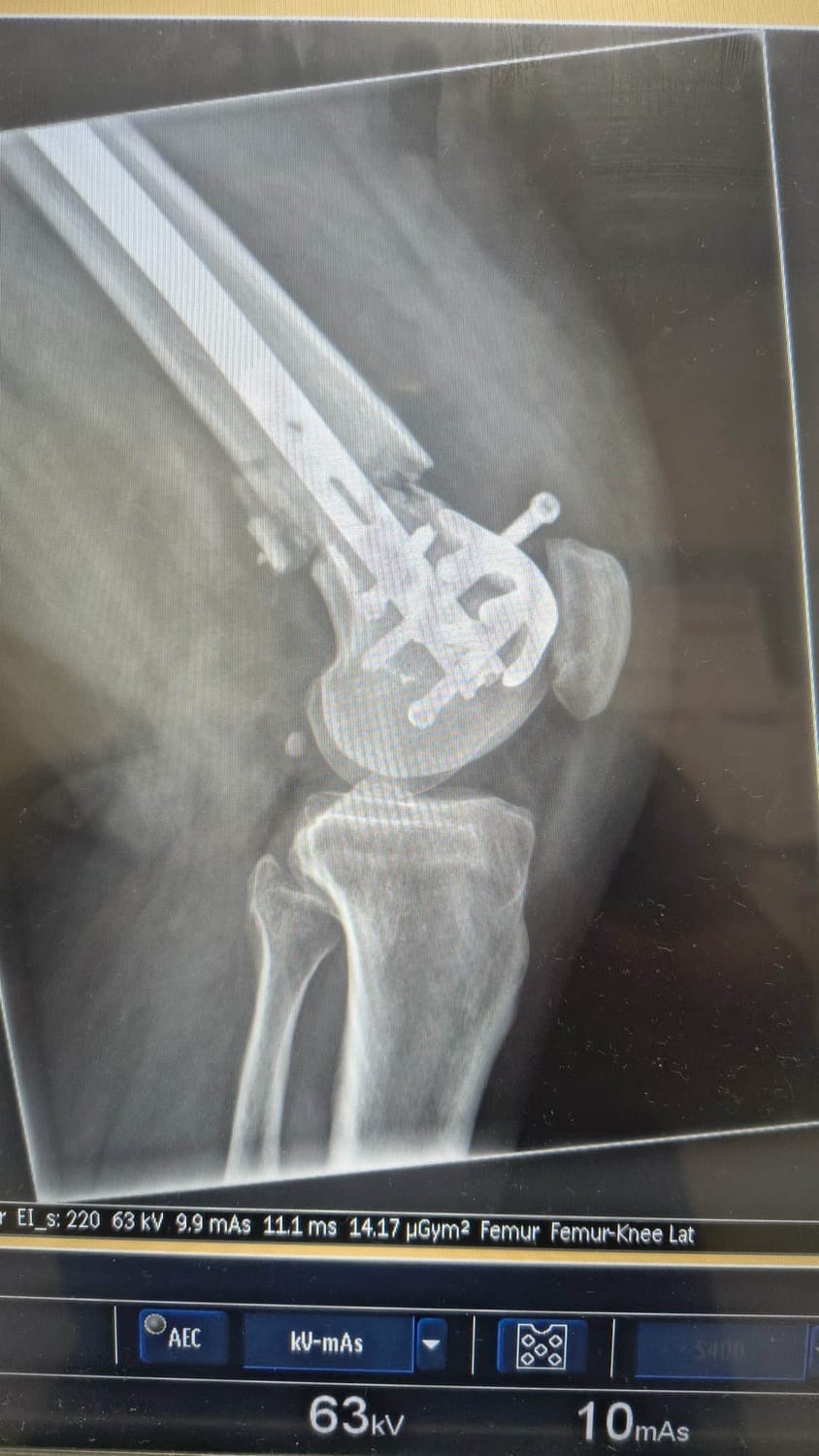
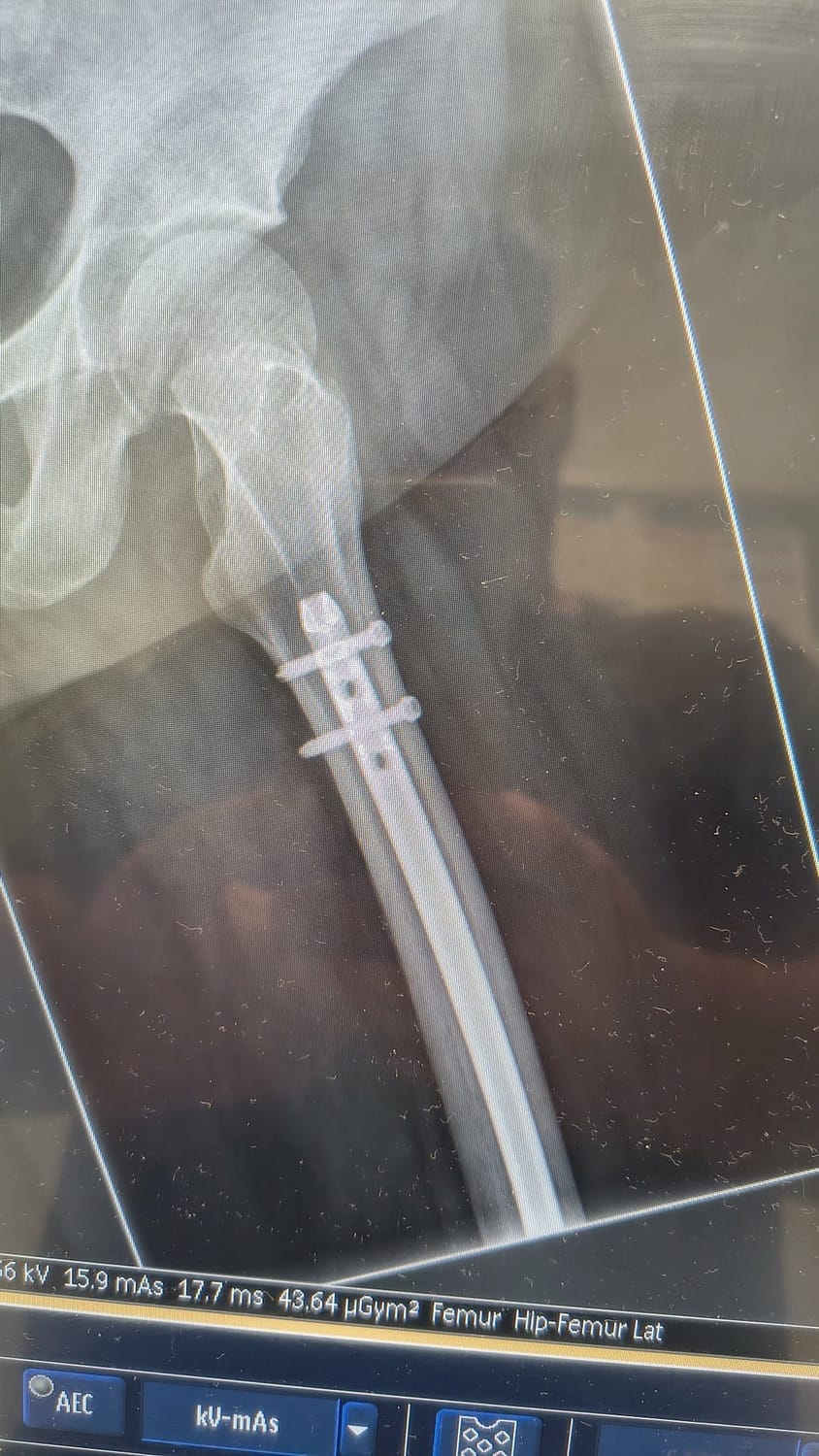
Once at the hospital, the gravity of the situation was revealed; x-rays disclosed the full extent of my injury—a distal femur fracture, and it was an open fracture. This meant that the bone had breached my skin before retracting back inside.
The radiologist informed me that she'd never encountered someone with such a break who hadn’t succumbed to unconsciousness from the searing pain.
For those unfamiliar, an open fracture is particularly perilous due to the high risk of infection.
When a bone breaks through the skin in a non-sterile environment like a farmyard, there is a significant risk of bacteria entering the wound. This can potentially result in severe bone infections that may lead to drastic measures such as amputation or worse outcomes.
Surgery and Recovery
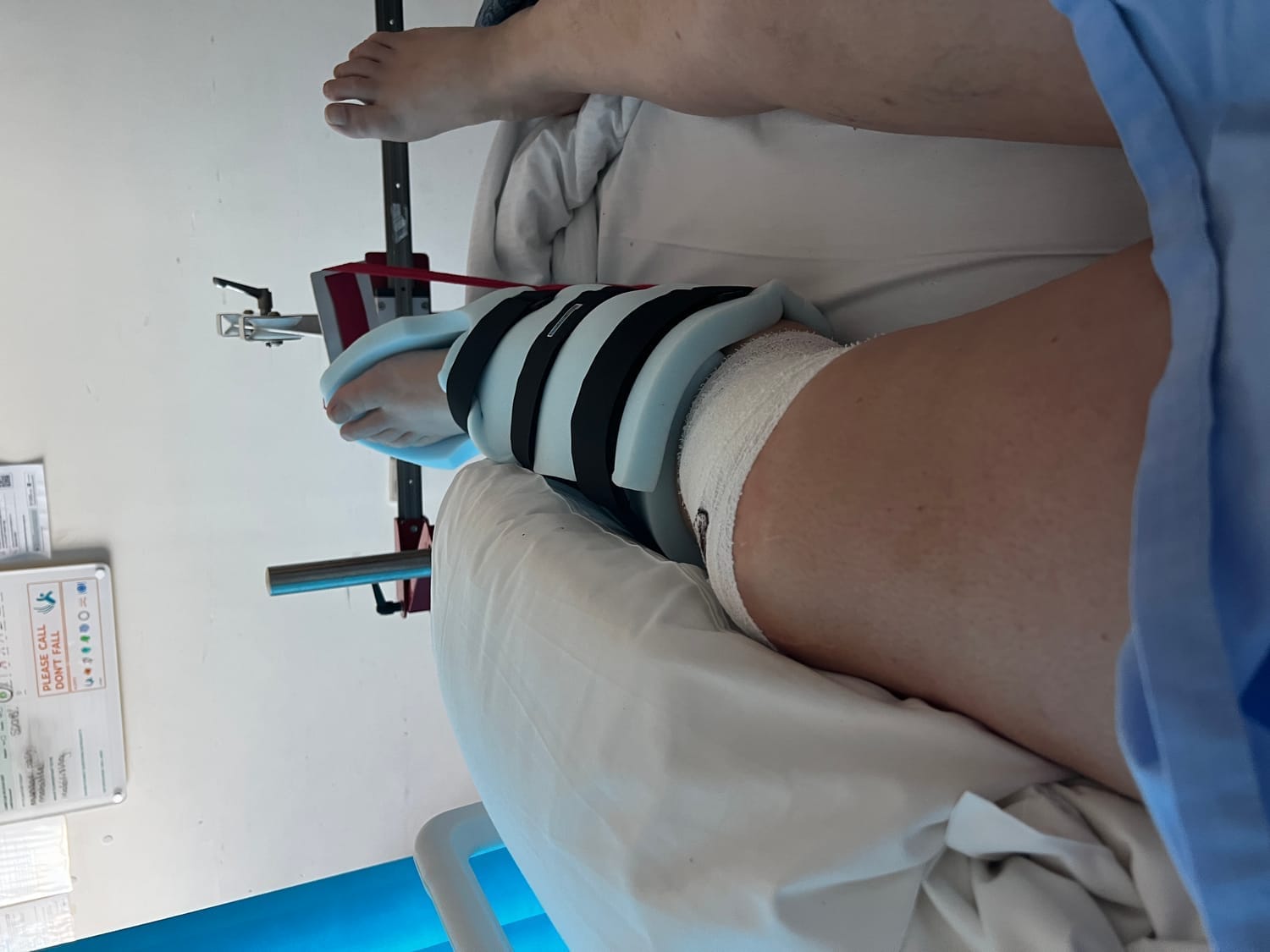
After spending 12 hours in traction, likely the most uncomfortable night I have ever had, they told me they would be taking me for surgery.
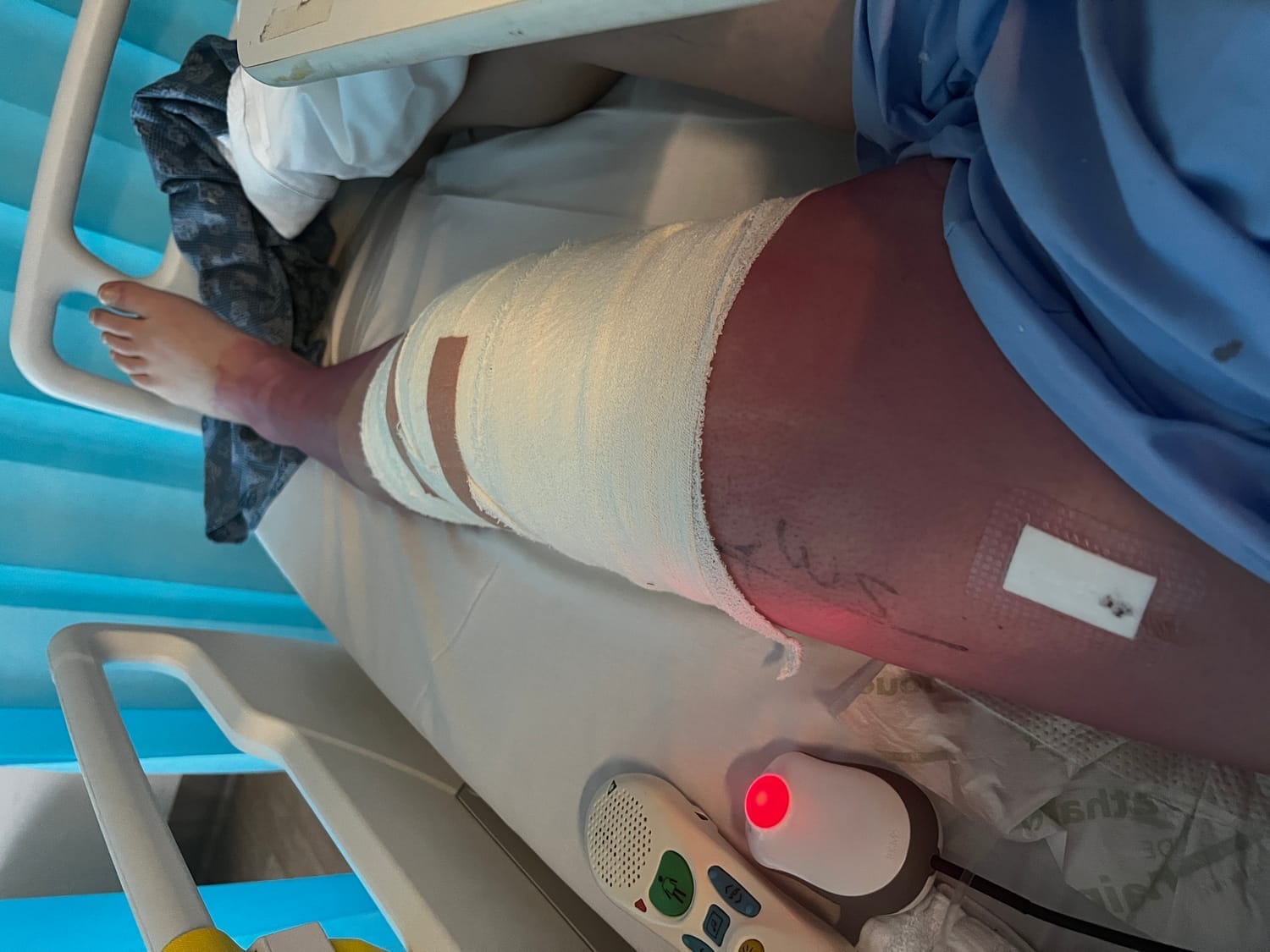
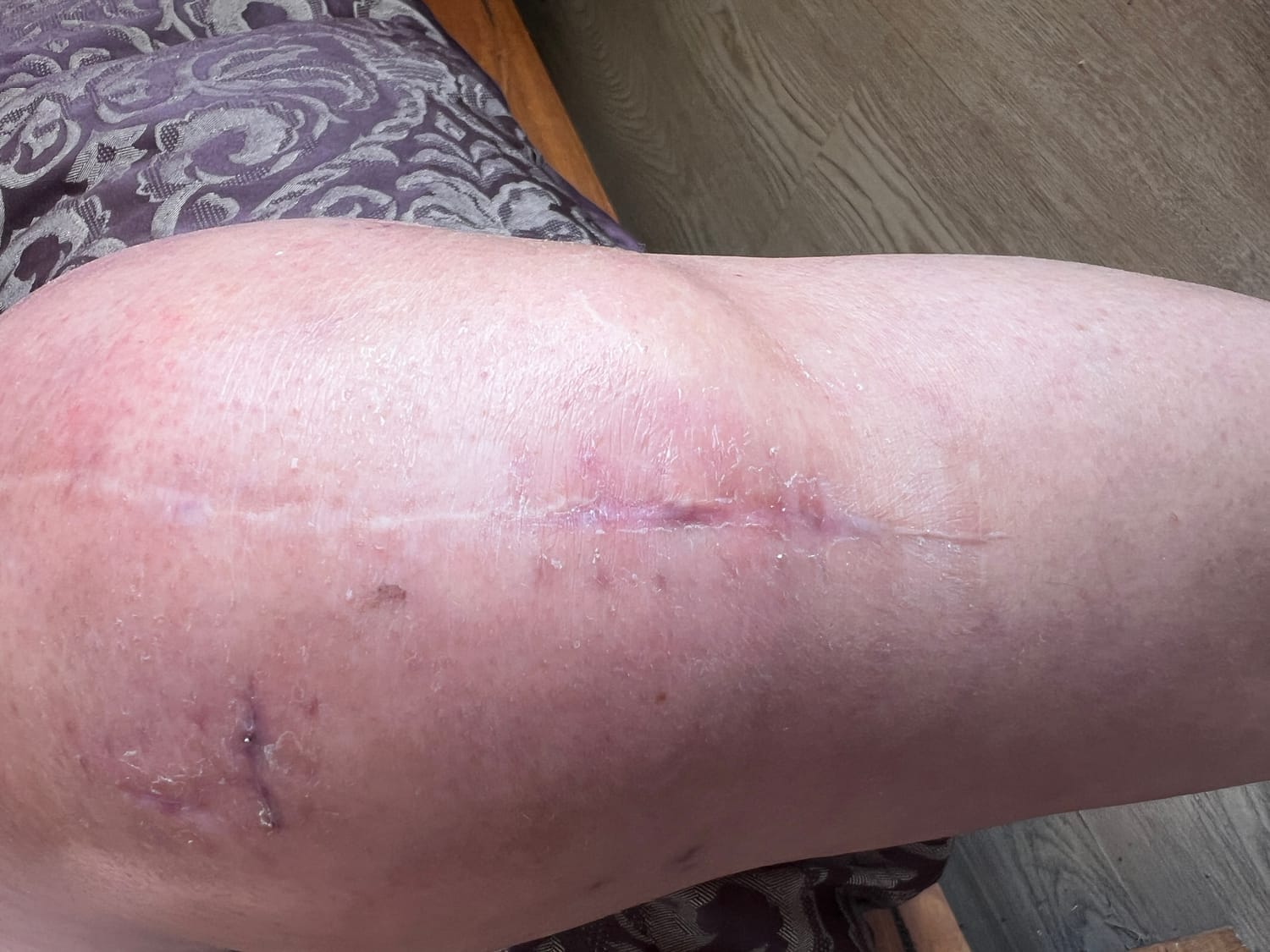
The skilled surgical team had to insert a 12-inch rod through my femur, stretching from near my hip right down to my knee, which was then secured firmly with bolts at each end to stabilize the fracture. Additionally, they had to thoroughly clean and enlarge the wound area where the bone broke through my skin, which left me with a substantial 21 staples in total.
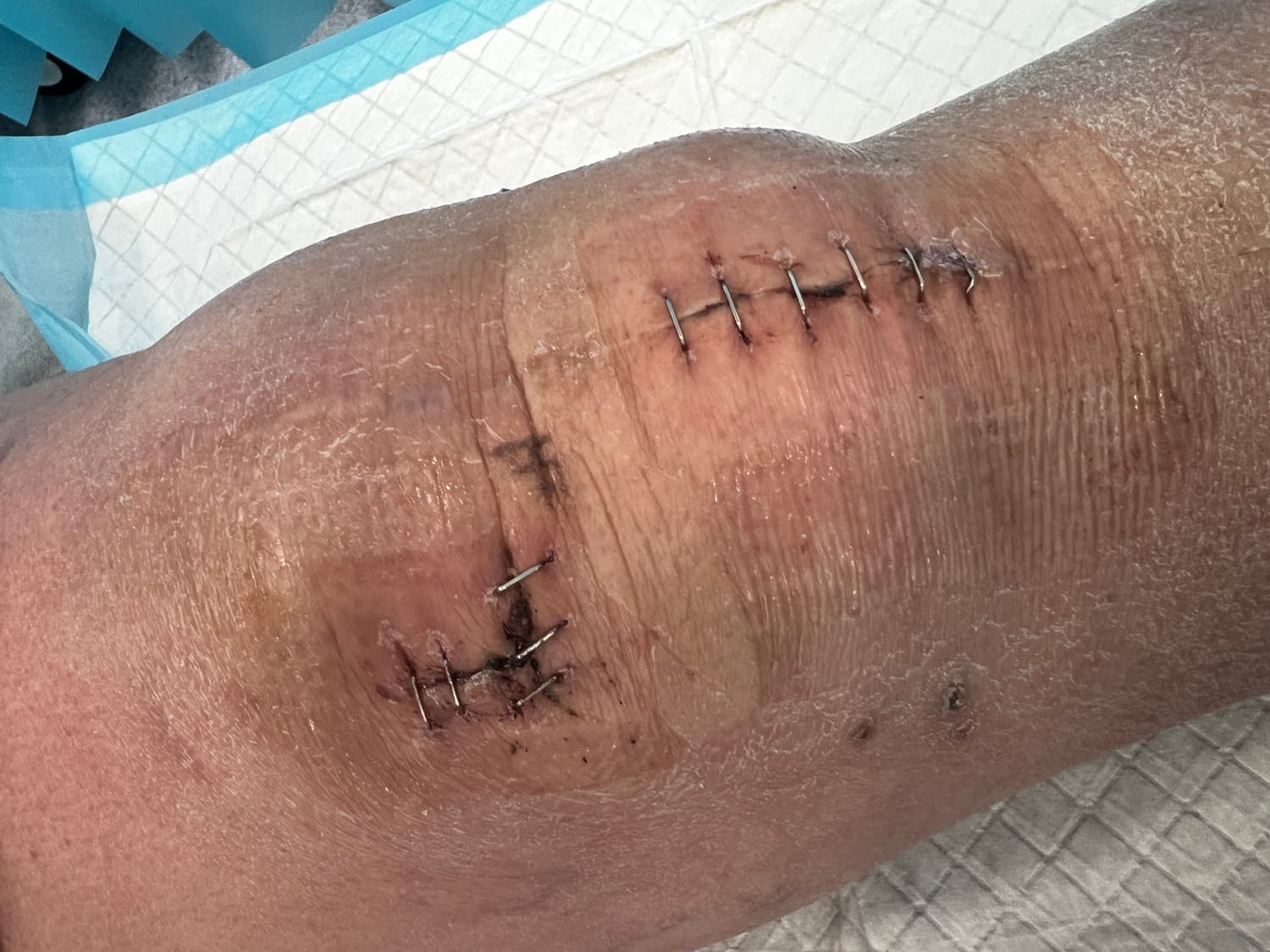
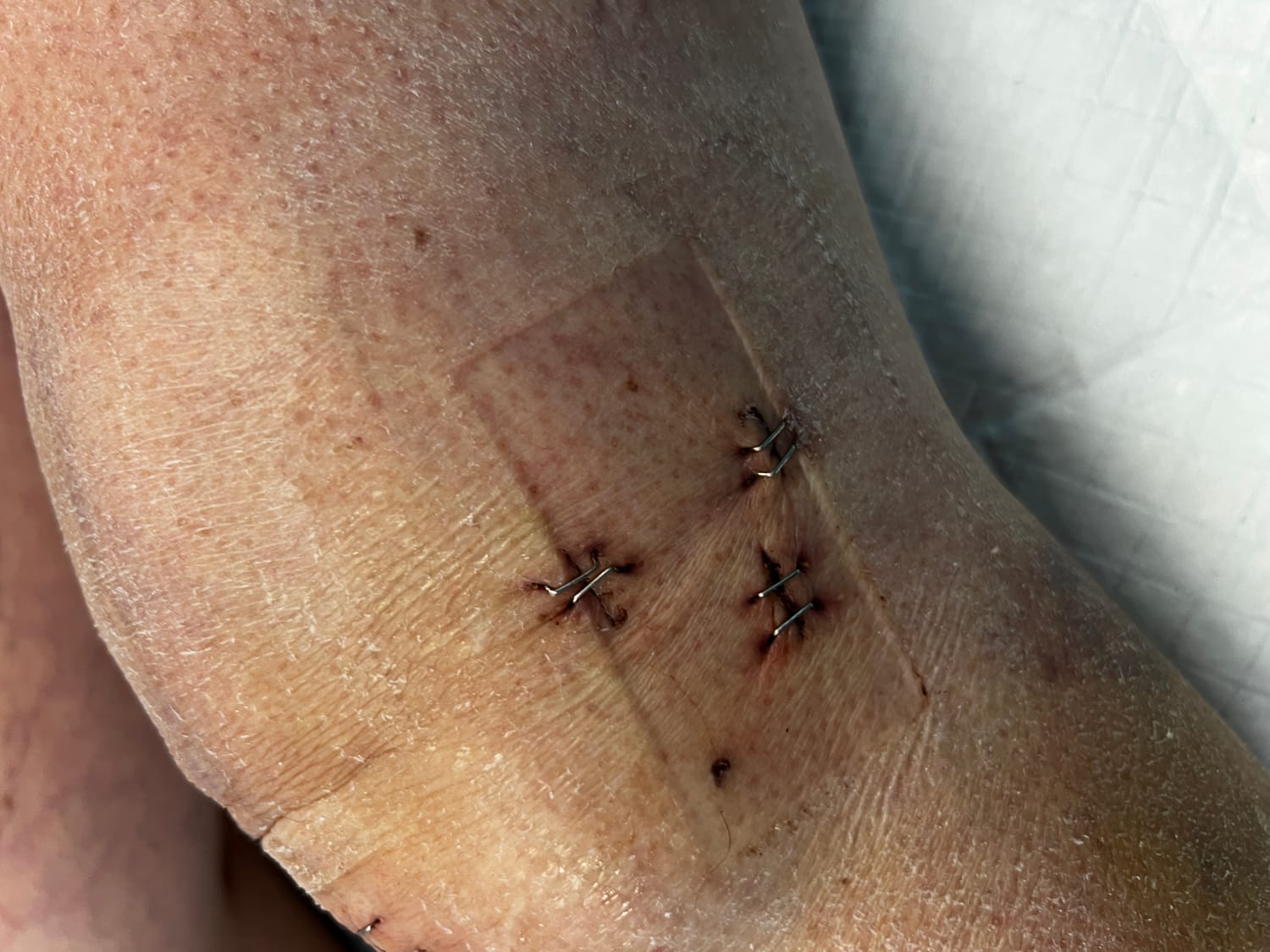
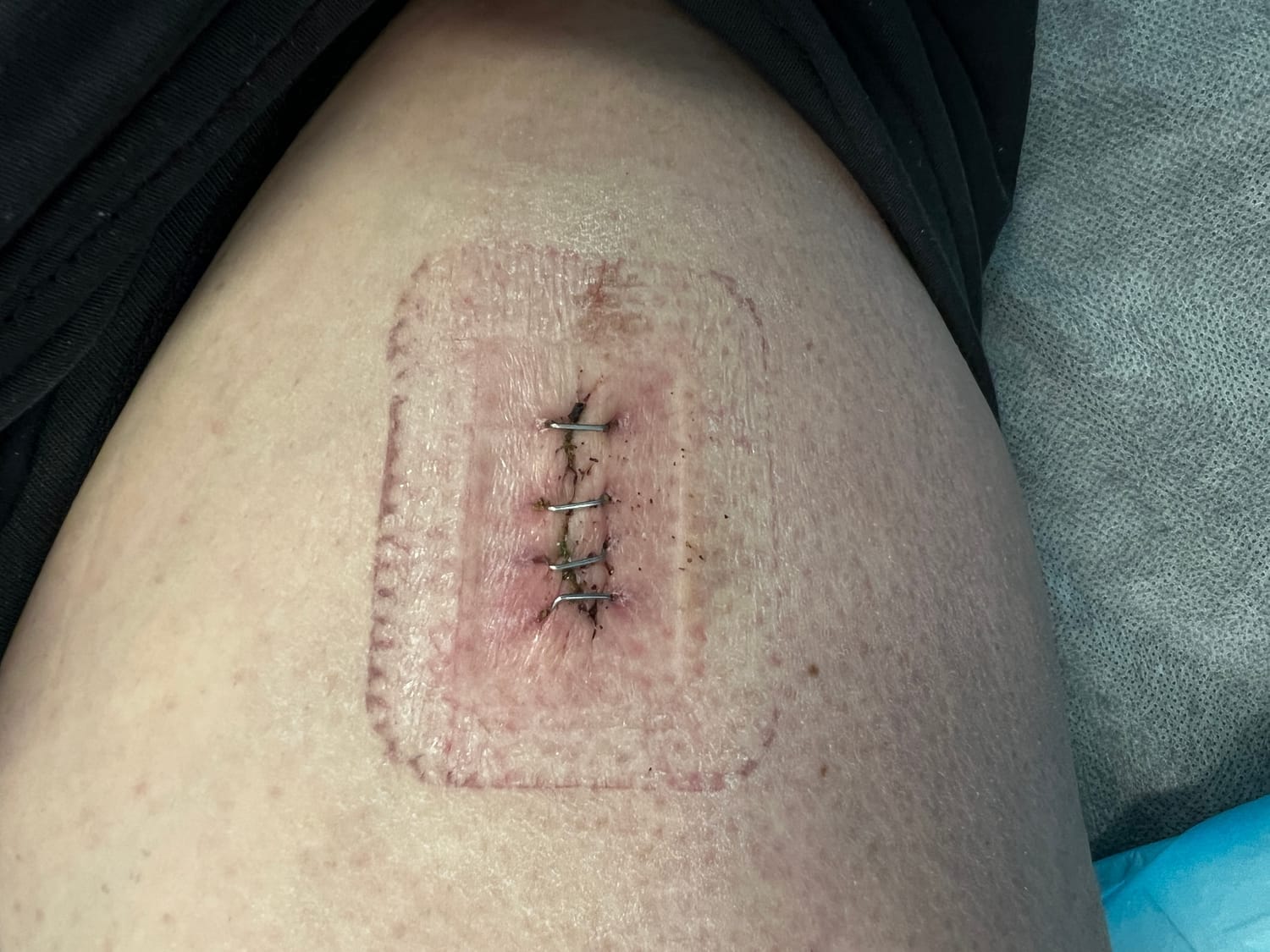
Despite the severity of the procedure, what caught me by surprise was how promptly they had me up and moving.
Just three days after suffering the debilitating break in my femur, the physical therapist began having me walk using a walker. By day six, I had progressed to crutches and was cleared to return home. However, these advances came with strict instructions to maintain my leg elevated and perform specific, prescribed exercises regularly.
The intense pain during those initial weeks post-surgery, while at home, was beyond any discomfort I had faced before. Managing even the simplest daily activities became a test of endurance and resolve, despite the aid of strong pain medication intended to mitigate the worst of the discomfort.
Adapting to Farm Life While Injured
One of the most difficult and stark realities of homesteading and managing a farm is that work simply doesn't pause, even when you're injured.
The everyday tasks, from feeding and watering animals to, in my specific case, milking them, still needed attention and completion.
Just ten days following the accident, I found myself back to milking our goats, albeit in a significantly altered and adapted manner.
We devised a system that worked around my temporary limitations:
My kids would assist by getting the goat up onto the milking stand, a task that required dexterity and teamwork.
I would then sit on a stable milk crate to milk efficiently and rapidly, minimizing time spent in a vulnerable position.
My daughter took responsibility for carrying the milk into the kitchen, ensuring it was safely stored.
I would carefully get back on my crutches and exit the area before the possibility of being knocked over again arose.
My partner and son graciously handled all the remaining animal care tasks, showcasing the importance of family collaboration in times of crisis.
During my recovery period, farm life continued to throw surprises our way, with one of our goats giving birth to unexpected twin girls! Life on the farm carries on, willing or not.
Lessons Learned the Hard Way
Six weeks into my recovery journey, I'm still far from being able to fully bear weight on my injured leg, and the prognosis includes another six weeks with crutches ahead. The doctors anticipate that the road to complete healing will span 12-24 weeks, considering my age and the nature of the injury.
This experience has imparted to me several invaluable lessons about the challenging realities of farming, lessons that I feel are essential to share with you:
Never turn your back on large animals - Even animals that appear calm and docile can act unpredictably at a moment's notice.
Have an emergency plan - It's imperative to ensure that everyone on your property is equipped with the knowledge of what to do if someone is injured.
Accept help when needed - My kids and partner stepped up in commendable ways, teaching me the importance of accepting that I couldn't do everything personally.
Modify your systems - By employing creativity and flexibility, we discovered new methods to accomplish farm tasks that accommodated my temporary physical limitations.
Give yourself grace - Taking necessary time, as I did with a four-week break from regular duties to facilitate proper healing, proved to be one of the toughest yet crucial decisions I made.
Moving Forward
The farming life presents inherent risks that many of us don't fully appreciate until we experience them firsthand. My accident, while severe, could have been even worse—a sobering fact I continually reminded myself throughout this ordeal.
If you're new to the world of homesteading or managing farms, I implore you to take safety seriously. Invest time in learning proper animal handling techniques, consistently wear appropriate footwear and clothing, and ideally, avoid working with large animals alone whenever feasible.
For those who have also suffered farm accidents, take solace in the knowledge that recovery is indeed possible, although it will often necessitate patience, tenacity, and a willingness to adapt your farm systems for healing.
I am deeply grateful to be back to recording my podcast episodes and incrementally regaining my autonomy around the farm. Although the journey to full recovery remains long, each day brings progress and new hope.
Remember, in the realms of farming and homesteading, we're engaged in a long-term endeavor. Ensuring your own health and well-being is just as critical as the care you provide your animals and crops.
Ultimately, the farm depends on you being healthy and whole to operate optimally.
Stay vigilant and safe out there, fellow farmers and homesteaders. Learn from my mistake so that you don't have to experience these tough lessons in farming realities firsthand.
For more insights, homesteading tips, and personal stories, follow me on Instagram or tune in to my podcast.




BY MOJO HOMESTEAD