
So You Wanna Be a Homesteader
So You Wanna Be a Homesteader?
Most people think homesteading means turning your backyard into a full-scale farm overnight.
The truth is, it's about finding your own pace and starting with one simple step.
If you're ready to explore homesteading, farming, and sustainable living without getting overwhelmed, this guide will show you how to build self-sufficiency one project at a time.
Starting Your Homesteading Journey

Begin With Your Why
Before jumping into homesteading, take a moment to figure out why you're drawn to this lifestyle.
Is it rising food costs? Wanting healthier food for your family? Looking to ditch the store-bought products filled with mystery ingredients?
Understanding your motivation will keep you going when things get challenging.
Your "why" might be as simple as wanting to know where your food comes from or as complex as building complete self-sufficiency.
Whatever drives you, write it down and keep it visible as a reminder when homesteading gets tough (and trust me, it will!).
Start Small, Dream Big
The biggest mistake new homesteaders make is trying to do everything at once.
I've seen so many folks burn out because they started with chickens, goats, a huge garden, and beekeeping all in the same month.
Instead, pick ONE project to master first:
Backyard chickens for fresh eggs
A small veggie garden in containers
Making your own sourdough bread
Creating homemade cleaning products
Once you've made that first project a comfortable part of your routine, then consider adding something new.
This approach builds confidence and prevents the "drinking from a fire hose" feeling that makes people quit.
You Don't Need a Farm
One of the biggest myths about homesteading is that you need acres of land.
You don't! Sustainable living can start anywhere:
Apartment dwellers can grow herbs on windowsills and make homemade bread
Suburban homes can support raised bed gardens and backyard chickens
Small town lots can fit mini-orchards and rainwater collection systems
Work with what you have now rather than waiting for the "perfect" homestead property.
Homesteading Isn't Instagram-Perfect
Let's be real - homesteading is messy!
Those beautiful social media accounts showing pristine gardens and perfectly styled kitchens aren't showing the whole picture.
Real homesteading includes:
Getting covered in dirt and sometimes animal poop
Failed batches of bread that could double as doorstops
Plants that die despite your best efforts
Days when you're too tired to cook from scratch
Don't beat yourself up when things don't look perfect. Every homesteader has disasters and days when they order takeout. It's all part of the journey toward self-sufficiency.
Build Your Homesteading Community
You don't have to figure everything out alone.
Connect with other homesteaders through:
Local gardening clubs
Online forums and social media groups
County extension offices (for my US friends)
Neighbors who are growing food
Farmers markets where you can meet local producers
These connections will provide advice, encouragement, and sometimes even free plants or animals to get you started!
Remember: It's a Lifestyle, Not a Checklist
Homesteading isn't about checking boxes or doing everything perfectly. It's about moving toward a more intentional way of living where you connect with your food, reduce waste, and build skills that bring satisfaction.
Whether you're growing one tomato plant or running a mini-farm, you're part of a movement toward more sustainable living. Every small step away from dependence on the industrial food system is worth celebrating.
Start today with one small project, keep your sense of humor handy, and enjoy the journey of building your self-sufficiency skills one day at a time.
Starting Your Homesteading Adventure
The path to homesteading begins with a simple choice - the choice to take control of what you consume. Whether you're in an apartment or on acres of land, your journey starts now.
Understanding Homesteading vs. Farming
Homesteading and farming might seem like two words for the same thing, but they're quite different paths.
Homesteading focuses on self-sufficiency for your family, while farming aims to produce food as a business.
On a homestead, you might grow veggies, keep chickens, and make your own bread—all to feed your household. You're not worried about profit margins or commercial sales. Your goal is reducing your trips to the grocery store and knowing exactly what goes into your food.
Farmers, on the other hand, plan their crops and livestock around market demand. They need to make money from what they produce. This means larger scale operations, more equipment, and different pressures.
You can be both a homesteader and a small-scale farmer—many folks sell extra eggs or veggies from their homestead.
But knowing the difference helps set realistic goals. Start by focusing on what your family needs, then grow from there.
Essential First Steps to Begin
Your homesteading journey should start with one simple project that matches your current living situation. This "gateway" project helps you build skills without feeling overwhelmed.
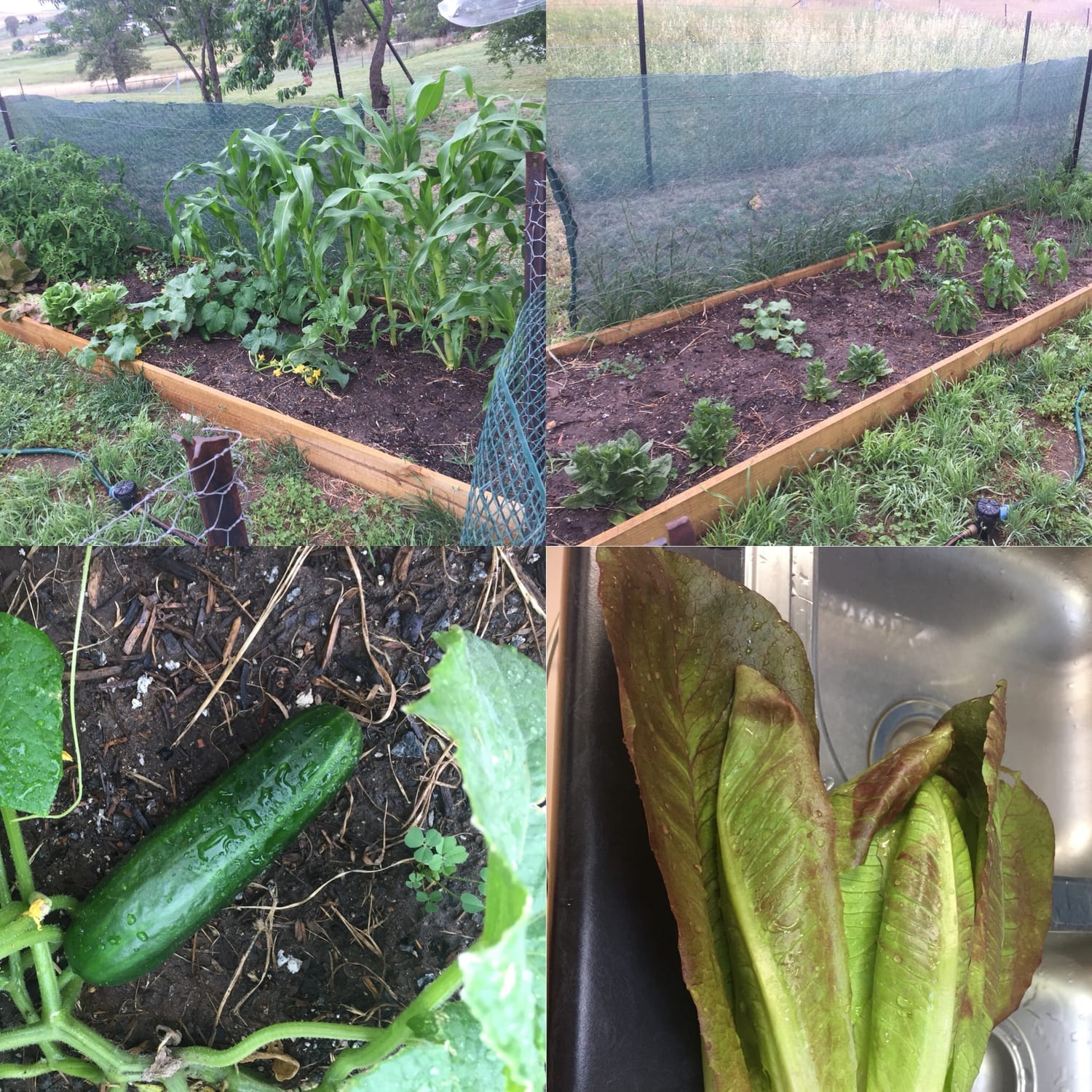
For most people, a small food garden is the perfect starting point. Even apartment dwellers can grow herbs on a windowsill or tomatoes on a balcony. If you have a yard, start with a small raised bed filled with easy crops like lettuce, tomatoes, and beans.
Next, look at what you buy most often at the store. Do you spend a lot on eggs? Maybe backyard chickens should be your focus.
Is your family going through loaves of bread? Learning to bake might be your path.
Make a list of skills you want to learn, then rank them by:
1) what saves you the most money,
2) what fits your current space, and
3) what you're most excited about.
Start with the option that scores highest across all three.
Remember, reading books and watching videos will only take you so far.
The real learning happens when you get your hands dirty. Start small, but start today.
Common Homesteading Myths
"I need acres of land to homestead." This might be the biggest myth keeping people from starting. You can practice homesteading skills in any space. Urban homesteaders grow food in window boxes, make cheese in apartment kitchens, and pickle vegetables from farmers markets.
"Homesteading means going off-grid completely." While some homesteaders do cut ties with public utilities, most maintain a balance. You don't need to generate your own power or dig a well to be a homesteader. Start by reducing what you buy, not by cutting all ties to modern life.
"You need to grow/make everything yourself." No homesteader produces 100% of what they use. Even the most skilled folks still buy toilet paper! The goal isn't perfection but progress toward more self-reliance.
"It's cheaper than buying from stores." This one's tricky. Your first tomatoes might cost $20 each when you factor in all your startup costs. But over time, as you save seeds and build skills, homesteading can save money. The real value comes from quality, not just cost.
The truth is, homesteading looks different for everyone. Your version might include backyard chickens but not goats, or homemade bread but not home-grown wheat.
There's no single "right way" to build self-sufficiency.
Building a Sustainable Lifestyle
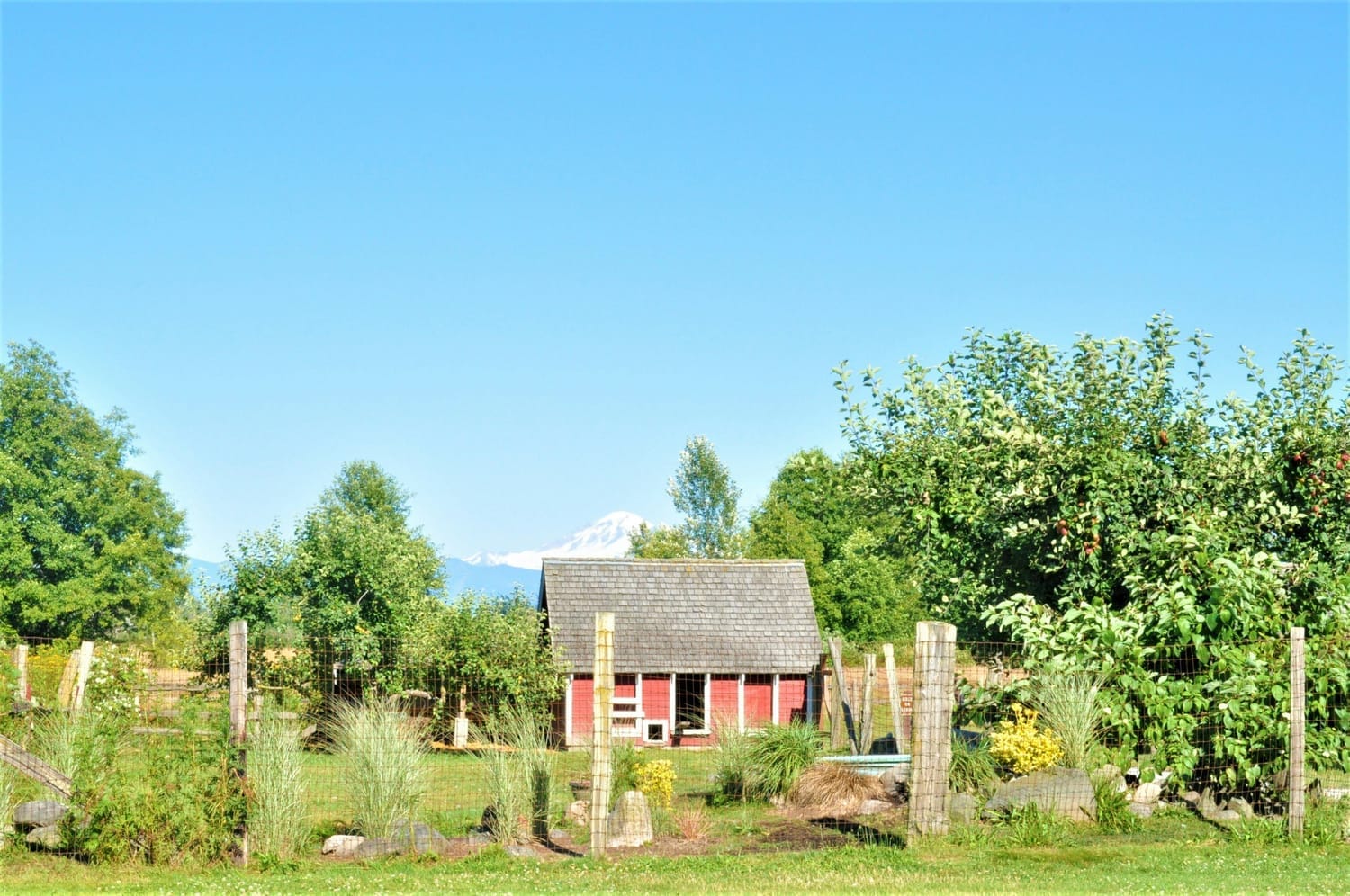
Moving toward self-sufficiency isn't just about growing food—it's about creating systems that work for your family long-term.
Let's explore how to build a lifestyle that lasts.
The Importance of Self-Sufficiency
Self-sufficiency gives you freedom from systems you can't control. When grocery prices jump or supply chains break, you have options others don't.
During recent food shortages, homesteaders with backyard chickens never worried about egg availability. Those with gardens had fresh vegetables when produce sections were bare. This kind of security brings peace of mind in uncertain times.
Beyond crisis preparation, self-sufficiency builds practical skills that connect you to basic human needs. There's deep satisfaction in serving a meal where you grew the vegetables, raised the meat, and baked the bread. These skills link you to generations past who fed their families through their own efforts.
Self-sufficiency also helps you break free from consumer culture. Instead of being at the mercy of marketing and packaging, you make conscious choices about what enters your home.
You become a producer rather than just a consumer.
This shift in mindset—from dependency to capability—might be the most valuable aspect of homesteading. When you know you can provide for basic needs, you gain confidence that carries into all areas of life.
How to Ditch the Store
Breaking up with your supermarket happens one product at a time. Start by tracking what you buy most often, then learn to make or grow those items yourself.
Begin in your kitchen. Store-bought bread can be replaced with homemade loaves that cost cents to make. Commercial cleaning products give way to simple vinegar solutions or homemade soap. Those $5 bags of salad greens? You can grow them for a fraction of the cost.
Next, look at what you can source locally instead of from chain stores. Find a farmer for milk and eggs. Visit orchards for seasonal fruit.
Join a meat CSA or direct from farmer group for locally raised protein. Building relationships with local producers supports your community while reducing your store dependence.
For items you still need to buy, consider bulk purchasing to reduce packaging and cost. Fifty pounds of rice stored properly can last months and saves money over small packages. The same goes for flour, beans, and other staples.
Keep a "ditch the store" journal to track your progress. Each month, note one more item you no longer need to purchase.
This visual record shows how far you've come and keeps you motivated to continue.
Creating Your Own Homestead Plan
A successful homestead needs a plan that matches your unique situation. Rather than copying someone else's setup, build a custom roadmap based on your family's needs, your climate, and your available time.
Start by mapping your property, whether it's a city lot or rural acreage. Note sun patterns, water sources, and existing structures. This becomes your canvas for planning gardens, animal housing, and work areas.
Next, create a seasonal calendar showing when to plant, harvest, preserve, and rest.
In cold climates, winter becomes planning and indoor project time. Warm months focus on growing and preserving. This rhythm helps prevent burnout by matching your efforts to nature's cycles.
Set clear priorities by asking what matters most to your family. Is food security your goal?
Focus on staple crops and protein sources. Want to reduce grocery bills? Track expenses and target high-cost items first. Seeking better health? Prioritize organic produce and clean protein.
Break your plan into manageable phases spread over 1-5 years. Year one might focus on soil building and learning basic skills. Year two could add small livestock. Later years might include fruit trees or larger projects.
Remember that plans change as you learn. The best homestead plans remain flexible, allowing you to adjust based on what works for your unique situation.
Practical Tips for New Homesteaders
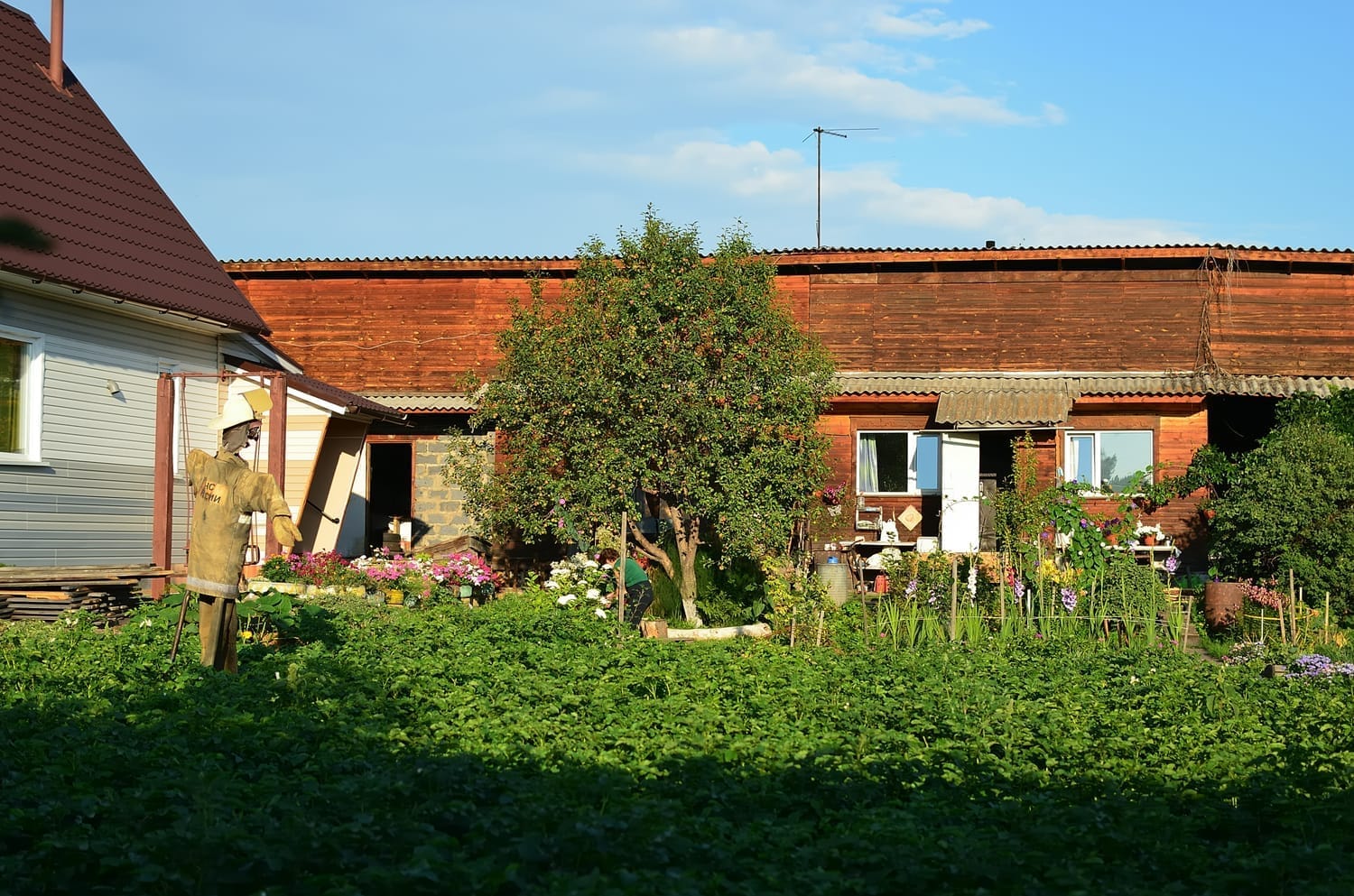
The difference between homesteading dreams and reality often comes down to practical implementation.
These tips will help you turn ideas into action without burning out.
Choosing the Right Projects
Not all homesteading projects deliver equal value for your effort. The best first projects share three qualities: they're simple to implement, save money quickly, and bring immediate satisfaction.
Kitchen gardens offer big returns for beginners. A few tomato plants, some lettuce, and herbs can trim your grocery bill while teaching basic growing skills. Start with crops that cost the most at the store but grow easily in your climate.
For animal projects, chickens remain the gateway livestock for good reason. They require minimal space, provide eggs daily, and help with pest control and compost creation. Six hens in a backyard coop can supply a family with eggs while teaching animal care basics.
DIY projects should start with items you use frequently. Homemade cleaning products save money every week and require minimal skill to create. Bread baking delivers both savings and satisfaction with just a few ingredients.
Avoid projects requiring expensive equipment at first. A $500 pressure canner won't pay for itself quickly if you only make a few jars of food. Instead, start with water bath canning or freezing, which need minimal investment.
Match projects to your family's real consumption patterns. If nobody eats jam, don't make six dozen jars just because the homesteading books suggest it. Focus on replacing store items your family actually uses.
Managing Time and Resources
The biggest challenge for most homesteaders isn't money—it's time. Creating systems that work within your real schedule prevents burnout and keeps homesteading enjoyable.
Start by tracking how you currently spend your time for one week. Note where you could carve out 15-30 minute blocks for homesteading tasks. Small, consistent efforts beat occasional marathon sessions every time.
Batch similar tasks together to save setup and cleanup time. Process all your tomatoes on one day rather than small batches throughout the week. Feed animals while the bread dough rises. Stack tasks to make the most of your active time.
Create morning and evening routines that include quick homesteading chores. Five minutes collecting eggs or watering seedlings fits into even the busiest schedules when it becomes part of your daily pattern.
For resources, start with what you have before buying new. That old bookshelf might become a seed starting rack. Plastic containers can become mini greenhouses. Feed bags transform into garden totes. This "use what you have" mindset saves money and reduces waste.
Build community exchanges to stretch resources further. Swap extra seeds with neighbors. Share equipment costs with friends. Trade your extra eggs for someone else's extra zucchini.
These connections multiply what each person can accomplish alone.
Involving the Whole Family
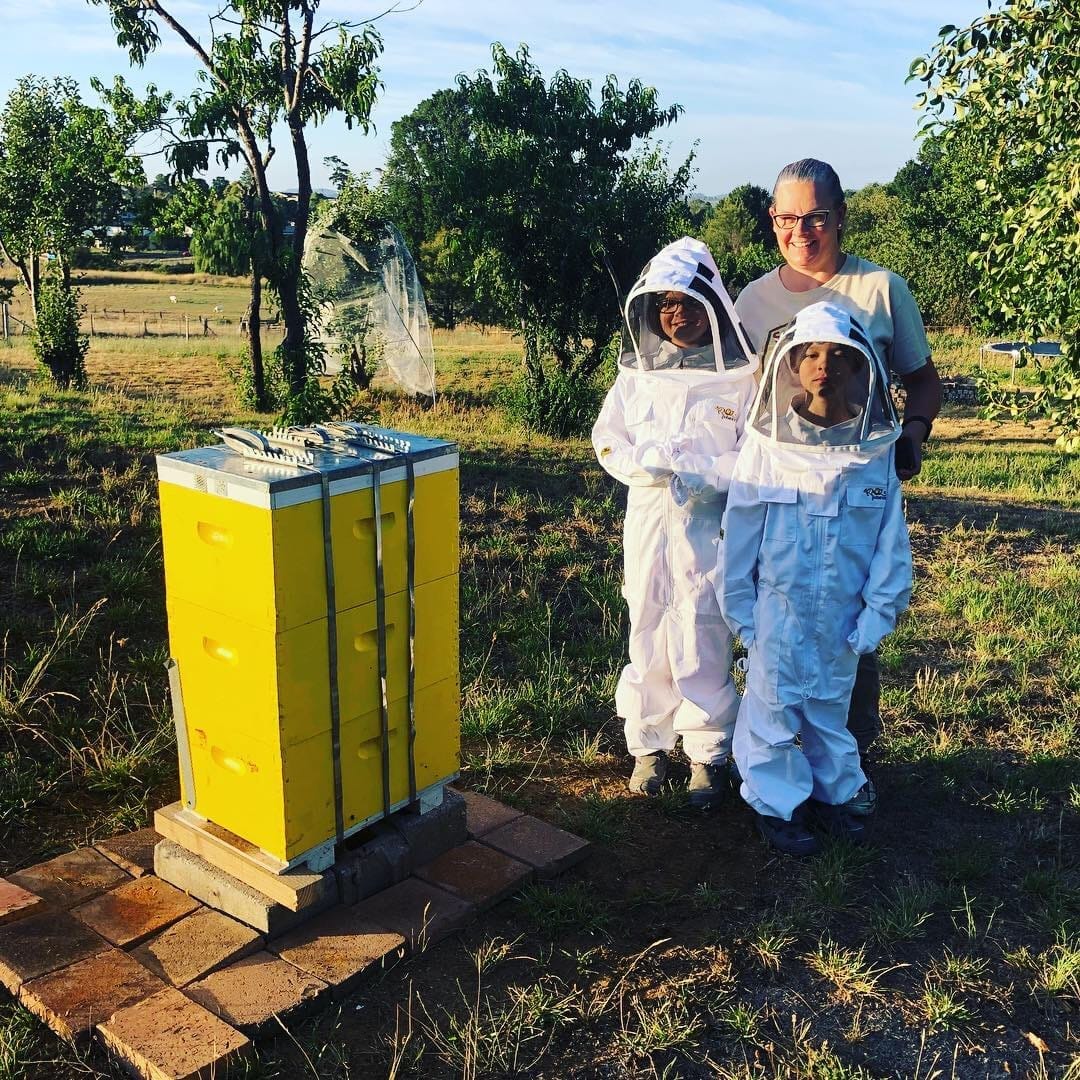
Homesteading works best as a family project where everyone contributes according to their abilities. This shared effort builds skills while preventing any one person from carrying the entire workload.
Start by matching tasks to each person's interests rather than assigning chores nobody wants. The family member who loves cooking might manage food preservation. The tech-savvy teen could track garden yields or research new projects. The early riser might handle morning animal care.
Create age-appropriate responsibilities for children. Even toddlers can help collect eggs or water plants. School-age kids can manage simple garden beds of their own. Teens can take full responsibility for certain animals or projects.
Make learning fun by turning skills into games. Challenge kids to identify garden pests or weeds. Create friendly competitions for who can harvest the most beans. Use homesteading as hands-on science and math lessons that bring textbook concepts to life.
Schedule regular family meetings to celebrate successes and solve problems together. Ask each person what's working well and what needs improvement. This inclusive approach builds ownership and prevents resentment over uneven workloads.
Remember that family involvement might look messy at first. Kids will plant seeds too close together. Teens might forget to close gates. But these mistakes become teaching moments that build capable, confident future homesteaders.
Want to Ditch the Store and Produce More of Your Own Food?
Join the Mojo Homestead community for practical homesteading tips, backyard chicken advice, seasonal gardening inspiration, and simple ways to build a more self-sufficient lifestyle.
Because every egg you collect yourself is one less reason to rely on the supermarket.


BY MOJO HOMESTEAD