
The Best Chicken Breeds for Beginners
Best Chicken Breeds for Beginners (Practical Guide to Your First Flock)
If you’re just starting out with chickens, you don’t need complicated.
You need reliable, calm, hardy birds that make life easier—not harder.
Because here’s the truth…
Not all chickens are created equal.
Some are absolute legends for beginners. Others? Total divas.
And if you start with the wrong ones, it can feel overwhelming fast—and that’s when people give up.
So let’s break it down properly.
By the end of this guide, you’ll know:
Which chicken breeds are best for beginners
What to look for (and what to avoid)
How to choose the right birds for your setup
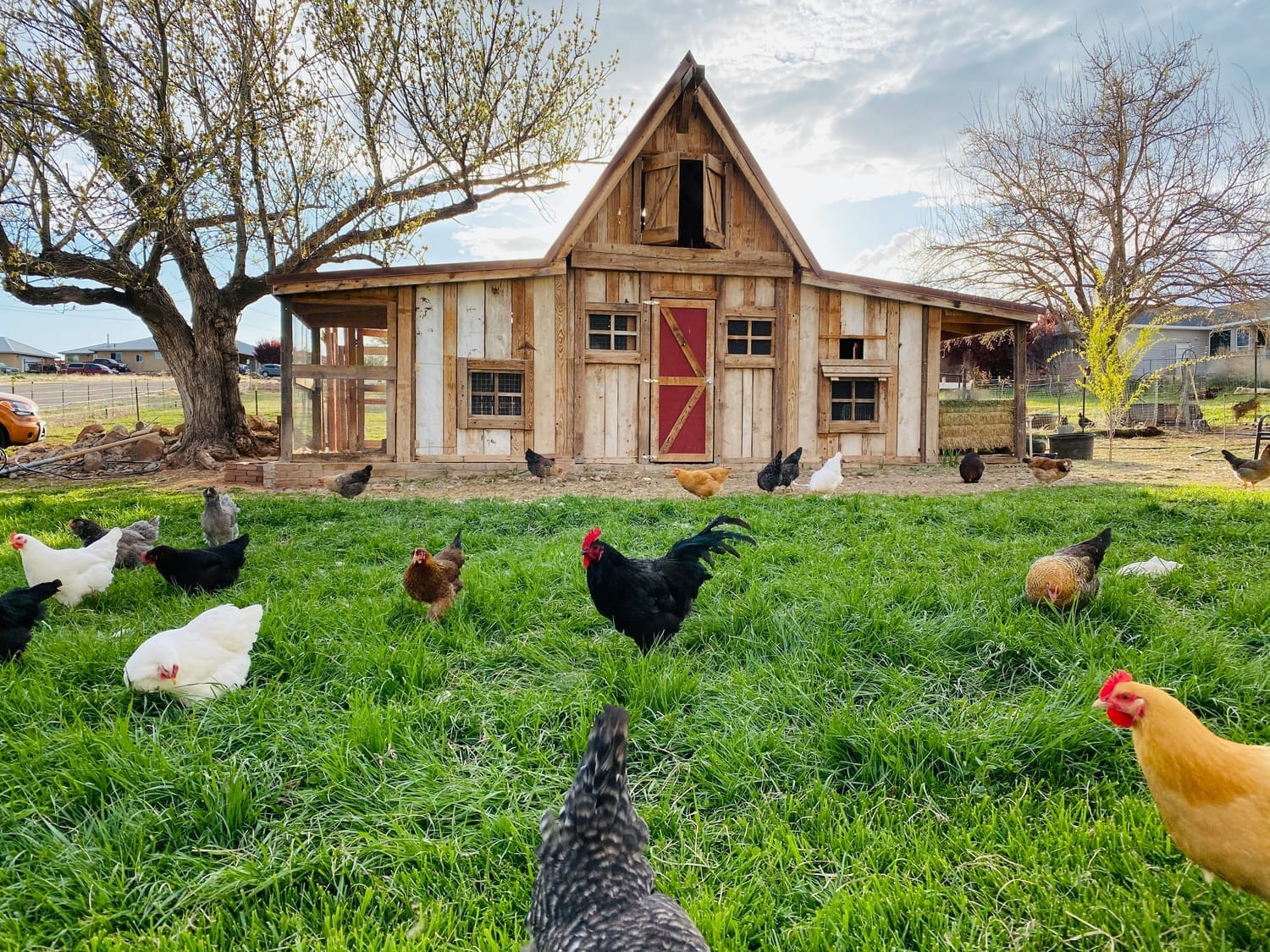
What Makes a Chicken Breed Good for Beginners?
Before we talk breeds, let’s get clear on what actually matters.
When I look at beginner-friendly chickens, I’m focusing on four key things:
1. Health & Hardiness
You want birds that can handle real life.
Not fragile. Not high-maintenance.
Just tough, adaptable, and forgiving if you mess something up (which we all do).
2. Calm Temperament
Some chickens are lovely. Some are… not.
Aggressive or flighty birds make everything harder:
Catching them
Handling them
Managing your flock
Beginner tip: calm birds = less stress (for you and them).
3. Consistent Egg Production
No point having chickens that barely lay.
You want:
Reliable egg supply
Reasonable laying cycles
No weird long gaps (especially early on)
4. Low Maintenance
You are learning.
You don’t need:
Health issues
Behaviour problems
“Special needs” chickens
You need birds that just… get on with it.
Best Chicken Breeds for Beginners
These four breeds tick all the boxes for beginners. They’re practical, proven, and widely available.
1. Isa Brown Chickens (Best for Maximum Eggs Fast)
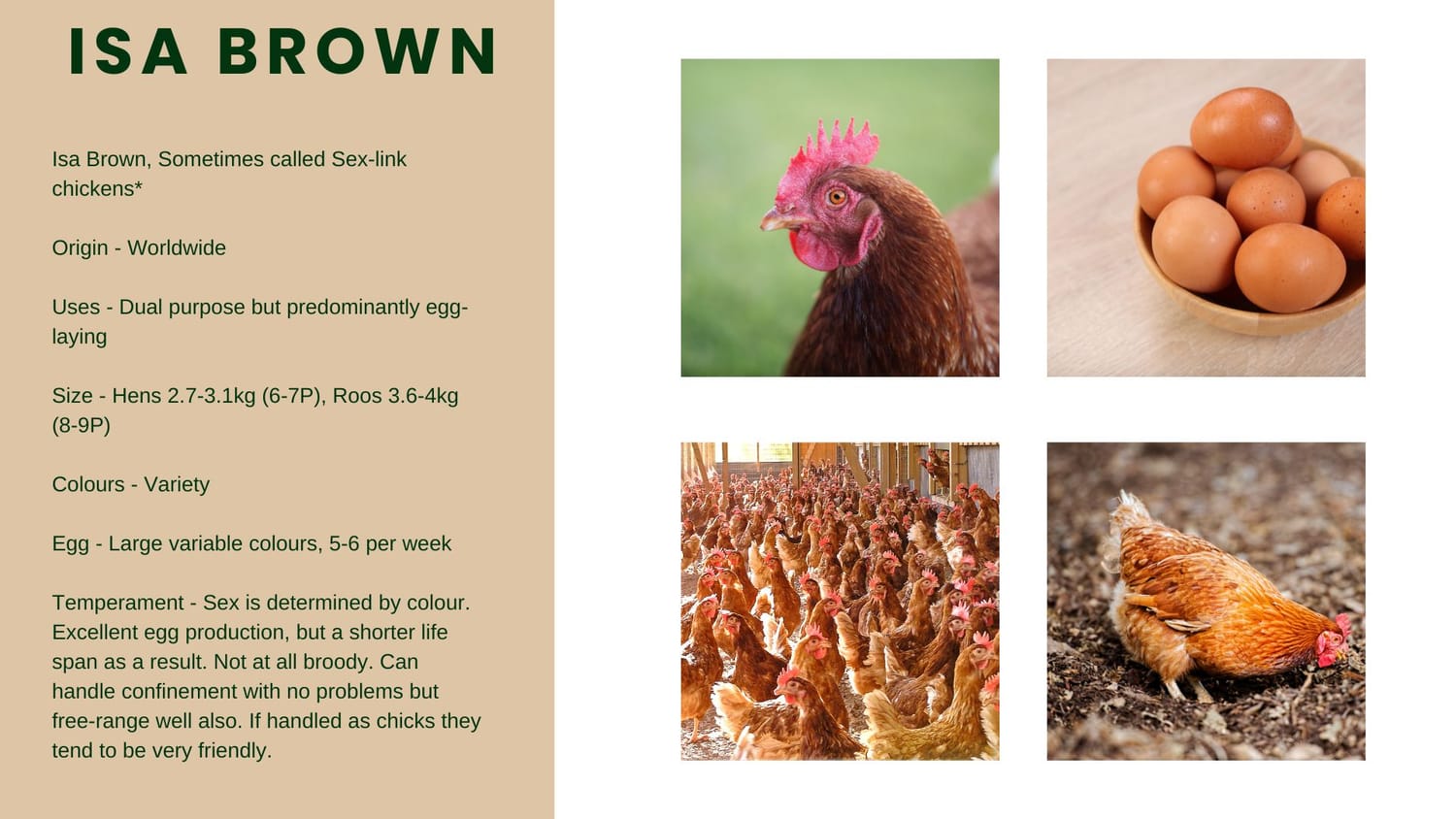
If you want eggs quickly—this is your bird.
Why Isa Browns Are Great for Beginners
Start laying at 18–20 weeks
Can lay up to 1 egg per day
Very calm and easy to handle
Adapt well to different environments
They’re basically built to produce eggs. And they do it well.
The Trade-Off
Shorter lifespan (around 3–4 years)
Egg production drops after 1–2 years
Can “burn out” faster than other breeds
Best For:
Beginners who want fast results
Families wanting a steady egg supply
People “testing the waters” with chickens
2. Australorp Chickens (Best All-Rounder for Aussie Conditions)
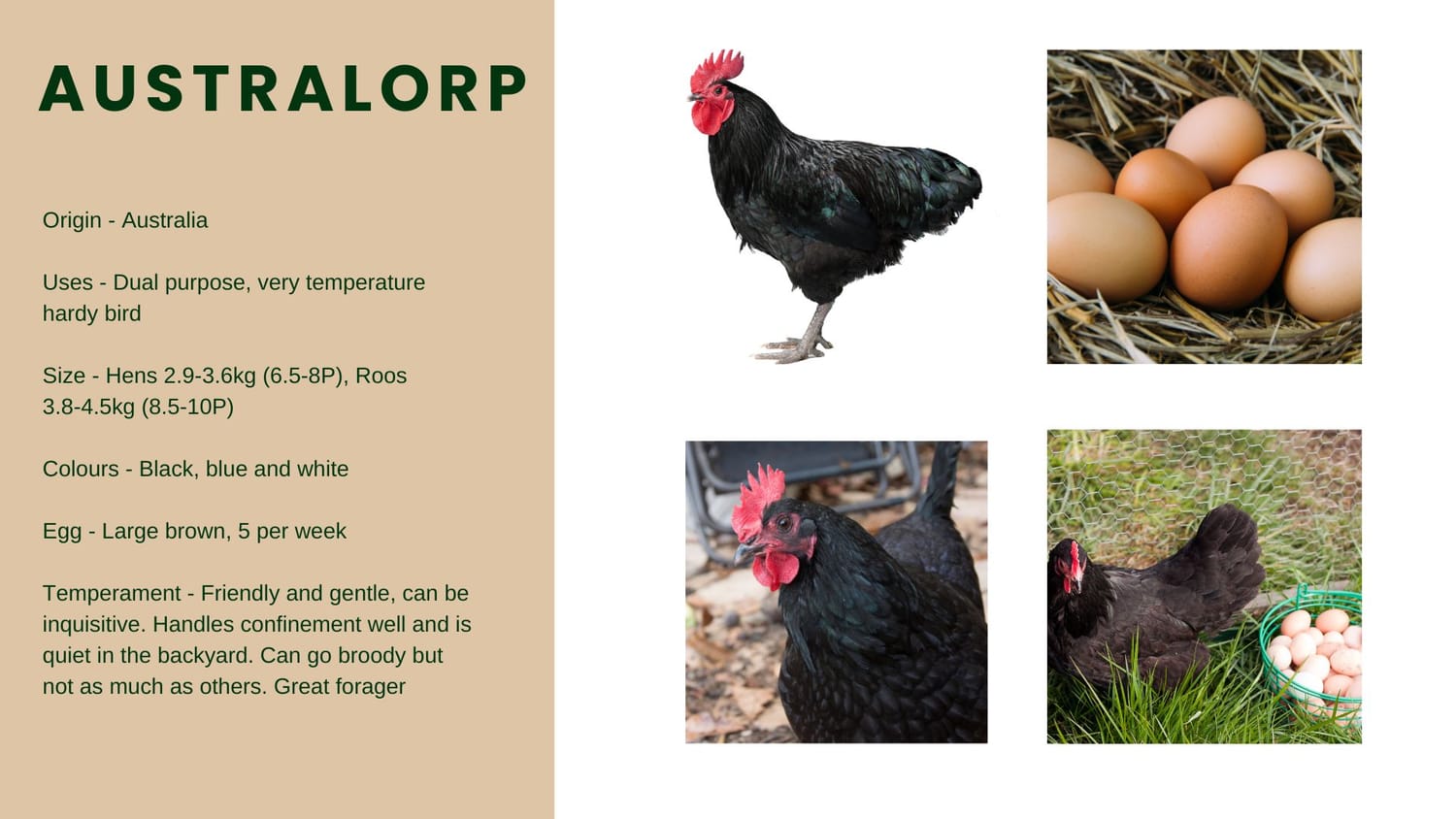
This is one of my absolute favourites.
Why Australorps Are Awesome
Bred for Australian conditions (heat + cold)
Calm, friendly, easy to manage
Lay consistently for years
Strong, robust health
We’ve had Australorps still laying at 6–7 years old.
That’s a solid return.
What to Expect
Slightly fewer eggs than Isa Browns
Much longer lifespan
Reliable year after year
Best For:
Long-term chicken keepers
Families wanting low drama, steady output
Anyone serious about building a flock
3. Sussex Chickens (Best Dual-Purpose Option)
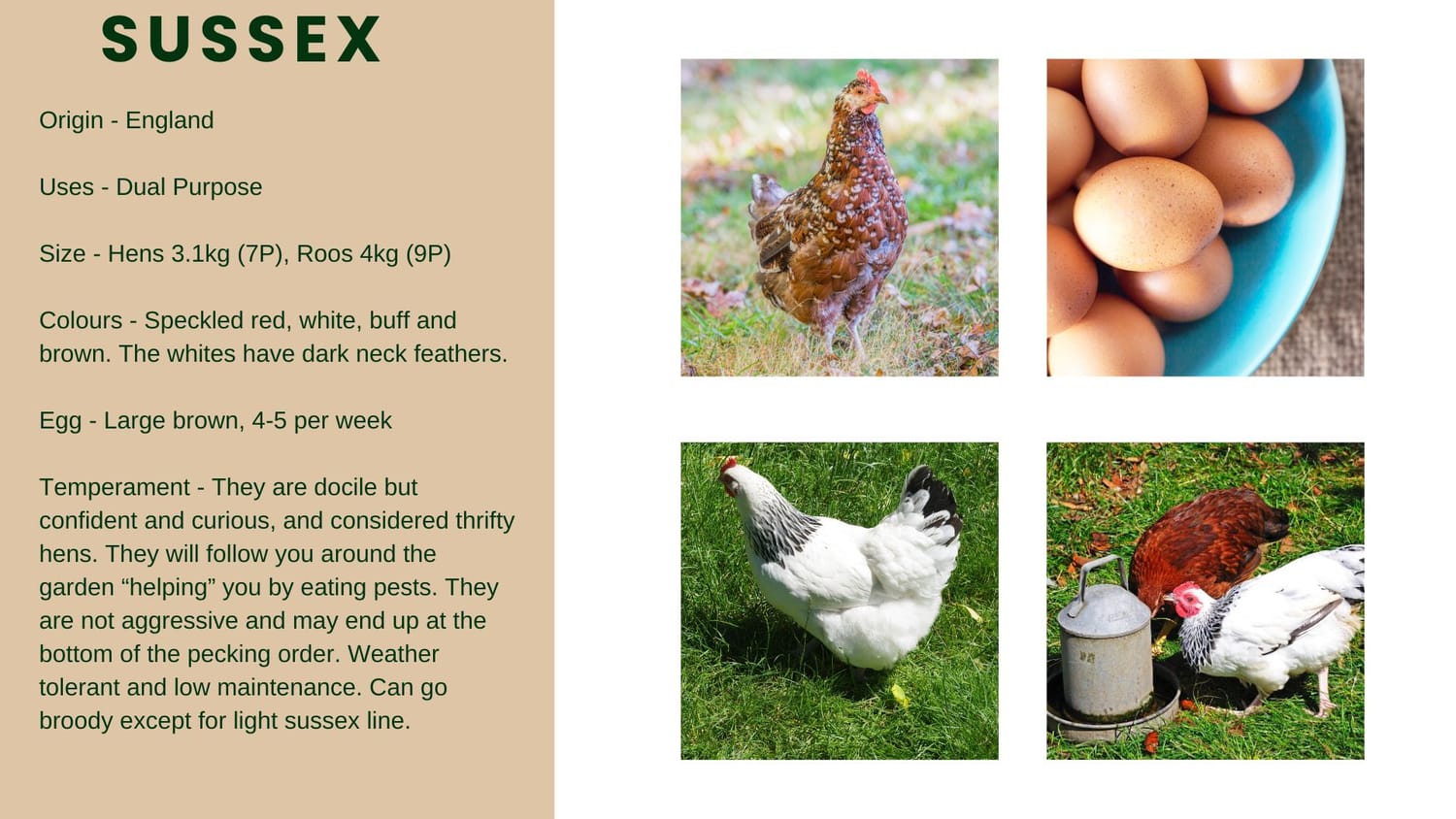
If you want eggs and meat potential—Sussex are a ripper choice.
Why Sussex Work Well
Reliable egg layers
Calm but curious personality
Handle both hot and cold climates
Good size for meat production
What Makes Them Different
They don’t have the same “burnout” as heavy hybrids.
So you get:
Good egg production
Better longevity
Best For:
Homesteaders wanting dual-purpose birds
Beginners wanting a balanced option
People planning to expand into meat birds later
4. Plymouth Rock Chickens (Best Temperament)
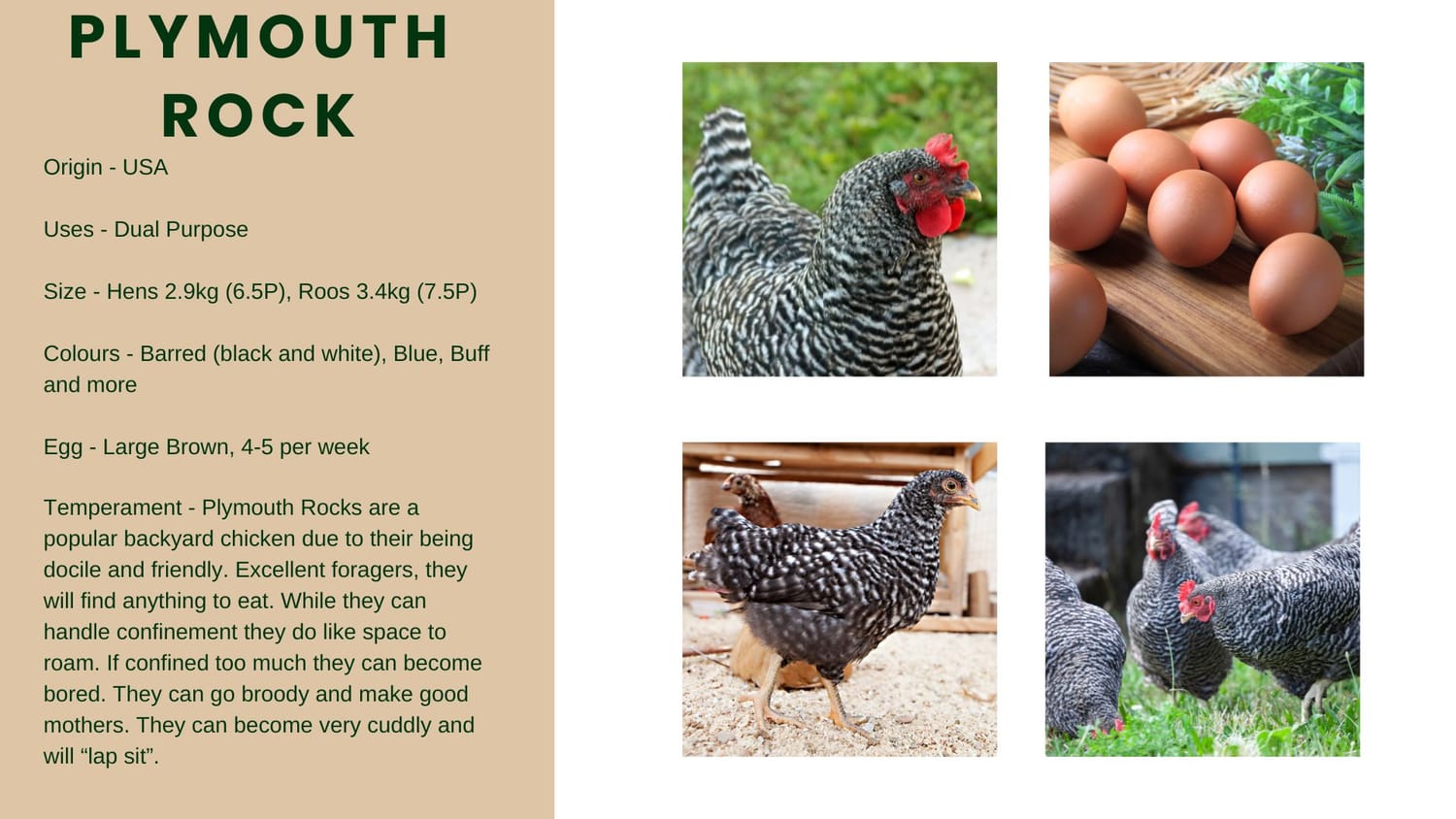
If you want friendly chickens—this is your pick.
Why Plymouth Rocks Stand Out
Super calm and approachable
Will follow you around the yard
Easy to catch and handle
Consistent egg production
They’re just… nice.
Health & Hardiness
Very few common health issues
Adaptable to different climates
Long-lasting and steady
Best For:
Families with kids
First-time chicken owners
Anyone wanting a friendly, easy-going flock
Chicken Breeds Beginners Should Avoid (At First)
Not bad birds… just not ideal when you’re learning.
1. High-Strung or Flighty Breeds
Some Mediterranean or specialty breeds can be:
Noisy
Hard to handle
Stress-prone
Not beginner-friendly.
2. Heavy Heritage Breeds (Slow Layers)
Breeds like Brahmas:
Take 30+ weeks to start laying
Lay steadily, but slowly
Great birds—but patience required.
3. Mixed-Age Rescue Flocks
Tempting—but risky.
You don’t know:
Their health history
Disease exposure
Egg-laying status
For beginners? Keep it simple.
Beginner Tips for Choosing Your First Chickens
This is where most people go wrong—so don’t skip it.
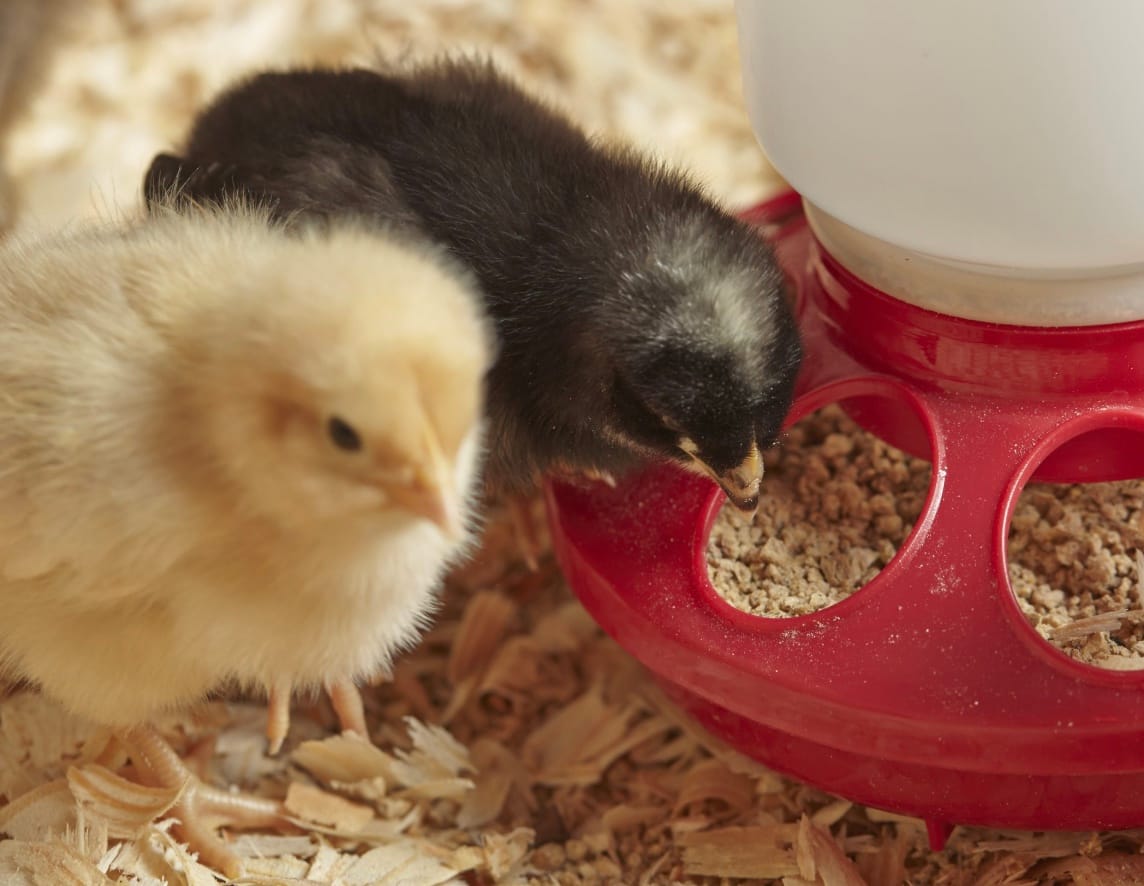
Start With One Breed
Keep it simple:
Same breed
Same age
Same stage (day-old or point-of-lay)
It avoids:
Pecking order chaos
Health complications
Management headaches
Buy From a Reputable Hatchery
Ask:
Are they vaccinated?
What feed are they on?
When do they start laying?
Do your homework.
Don’t Overcrowd
More birds ≠ better.
Overcrowding leads to:
Illness
Stress
Dirty coops
Stick to what your space can handle.
Set Up BEFORE You Get Chickens
Please don’t wing this.
Have ready:
Coop (weatherproof + ventilated)
Feed
Water setup
Chickens need a home before they arrive, not after.
How Many Eggs Will You Actually Get?
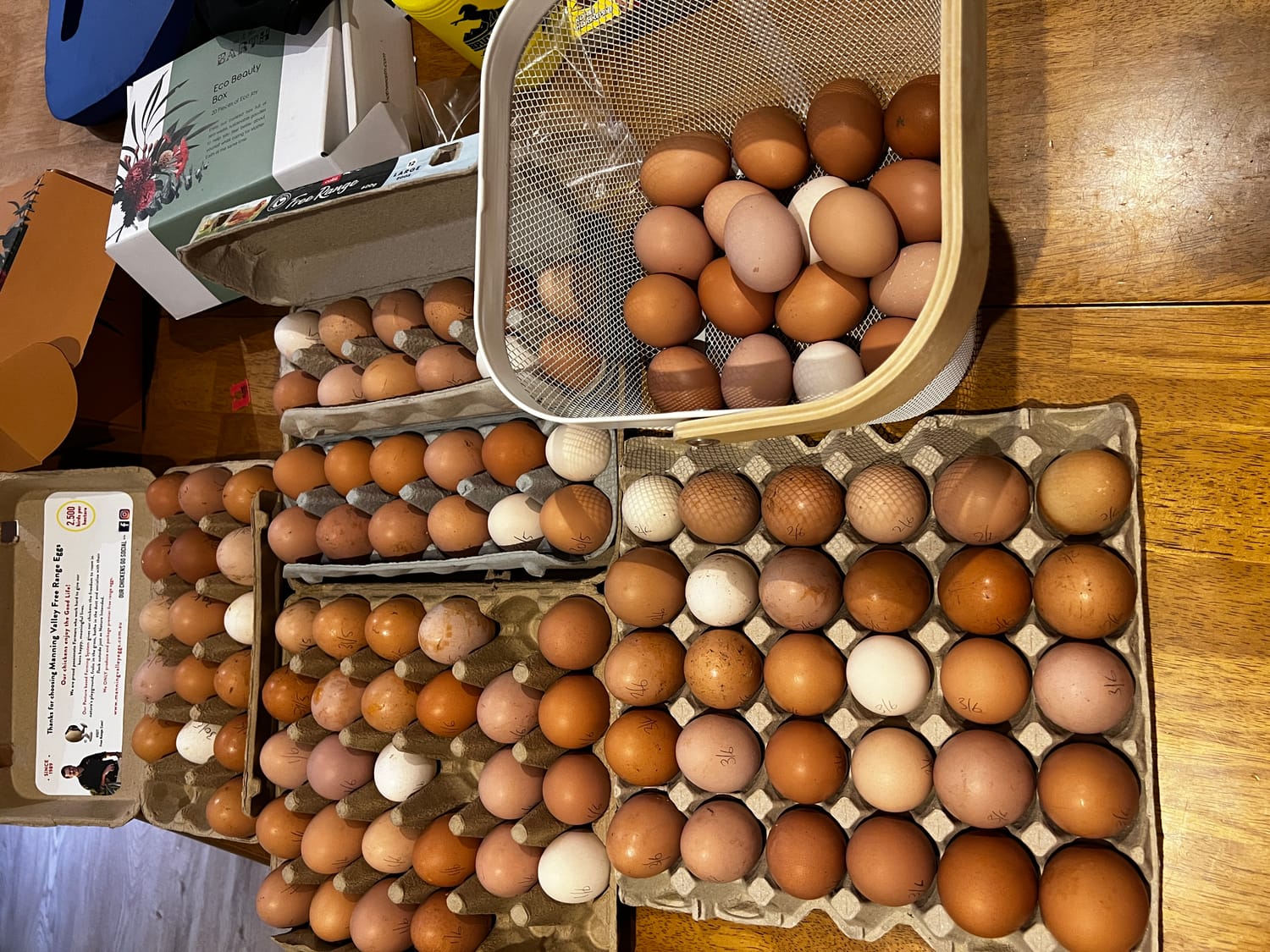
Let’s keep expectations realistic.
Average Egg Production (Per Hen)
Isa Browns: up to 7 eggs/week (early)
Australorps, Sussex, Plymouth Rocks: 4–6 eggs/week
Seasonal Drop
Egg production drops in winter.
Not because of cold—but less daylight.
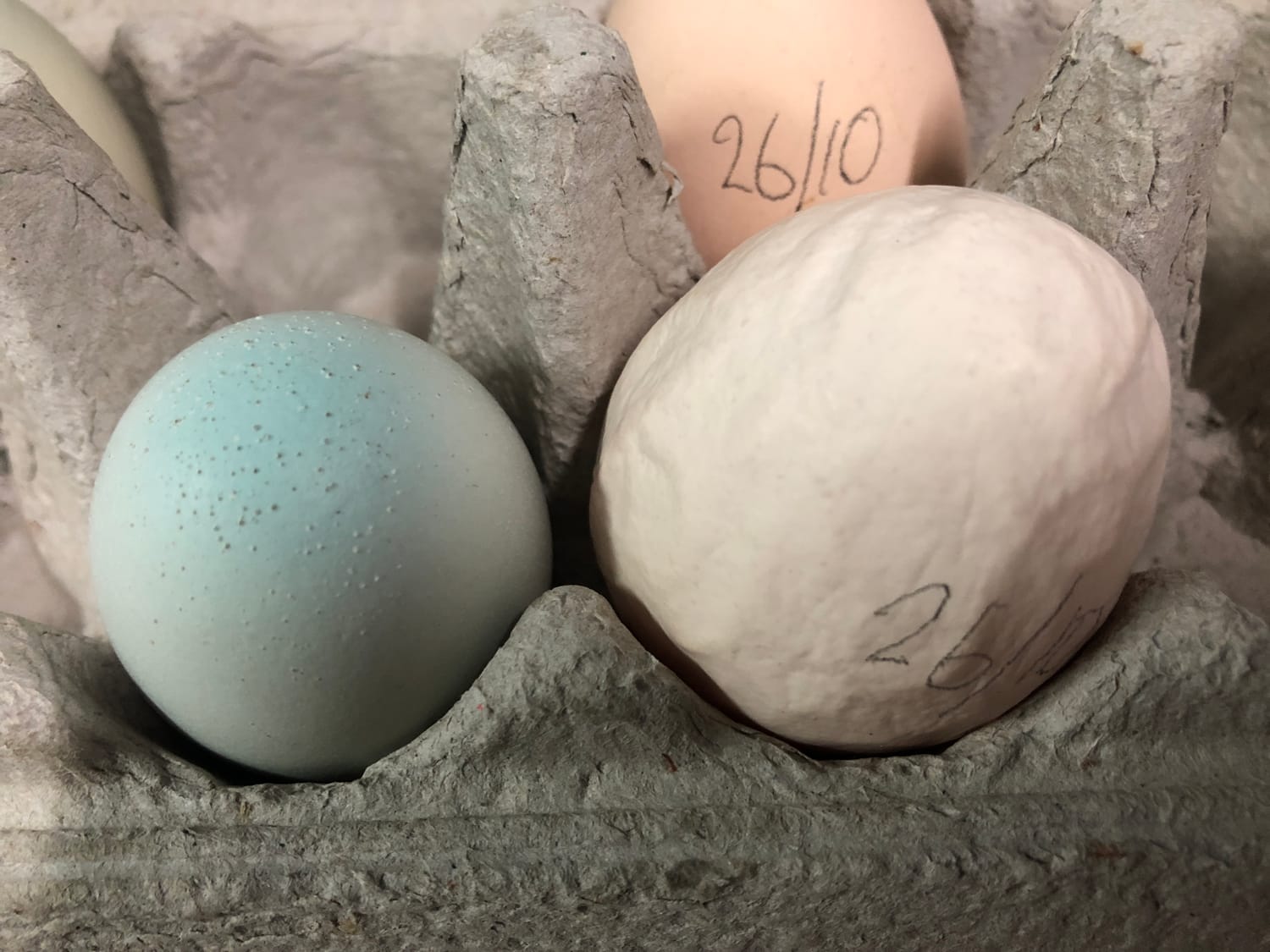
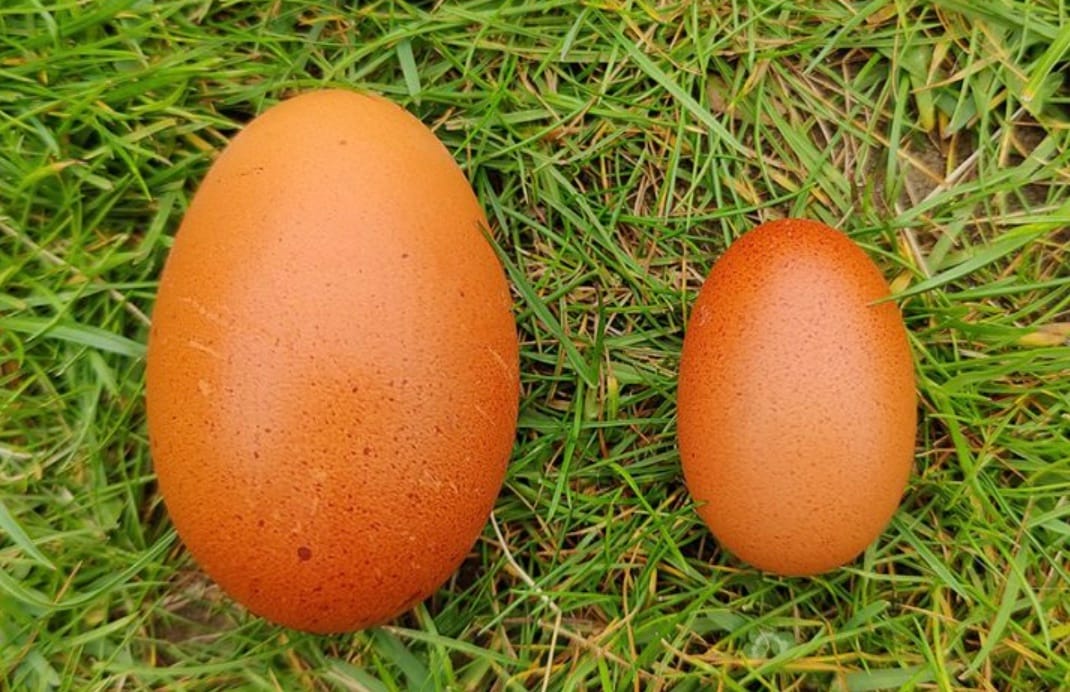
First Eggs Will Be Weird
Totally normal.
Expect:
Tiny “fairy eggs”
Odd shapes
Soft shells
Give it a couple of weeks. It evens out.
How to Choose the Right Chicken Breed for You
Ask yourself:
Do I want maximum eggs fast? → Isa Brown
Do I want long-term hardy birds? → Australorp
Do I want friendly chickens? → Plymouth Rock
Do I want an all-rounder? → Sussex
There’s no wrong choice—just what suits your setup best.
Your Next Step (Don’t Skip This Bit)
Action time.
This week:
Look up local hatcheries
Check what breeds are available
Ask about availability and timing
Plan your coop and setup
Don’t just scroll chicken pics on Instagram…
Start building your flock properly.
Final Thoughts
Keeping chickens is not complicated.
But starting with the right birds?
That makes all the difference.
Choose hardy.
Choose calm.
Choose practical.
And you’ll be well on your way to producing your own eggs—right from your backyard.
Because honestly…
Life’s too short to eat store-bought eggs.
Want to Ditch the Store and Produce More of Your Own Food?
Join the Mojo Homestead community for practical homesteading tips, backyard chicken advice, seasonal gardening inspiration, and simple ways to build a more self-sufficient lifestyle.
Because every egg you collect yourself is one less reason to rely on the supermarket.


BY MOJO HOMESTEAD