
What Even Is Homesteading
What Even Is Homesteading
Homesteading isn't just about farming or quitting your job to live off the grid. It's about finding your own way to live off the land, making your own food, and cutting back on store trips.
Whether you've got a backyard or just a kitchen counter, homesteading can fit your life. Let's unpack what it really means and how you can start your own version of self sufficiency without the overwhelm.
What Homesteading Actually Means
Beyond the Instagram Fantasy
Homesteading isn't what most social media influencers make it look like.
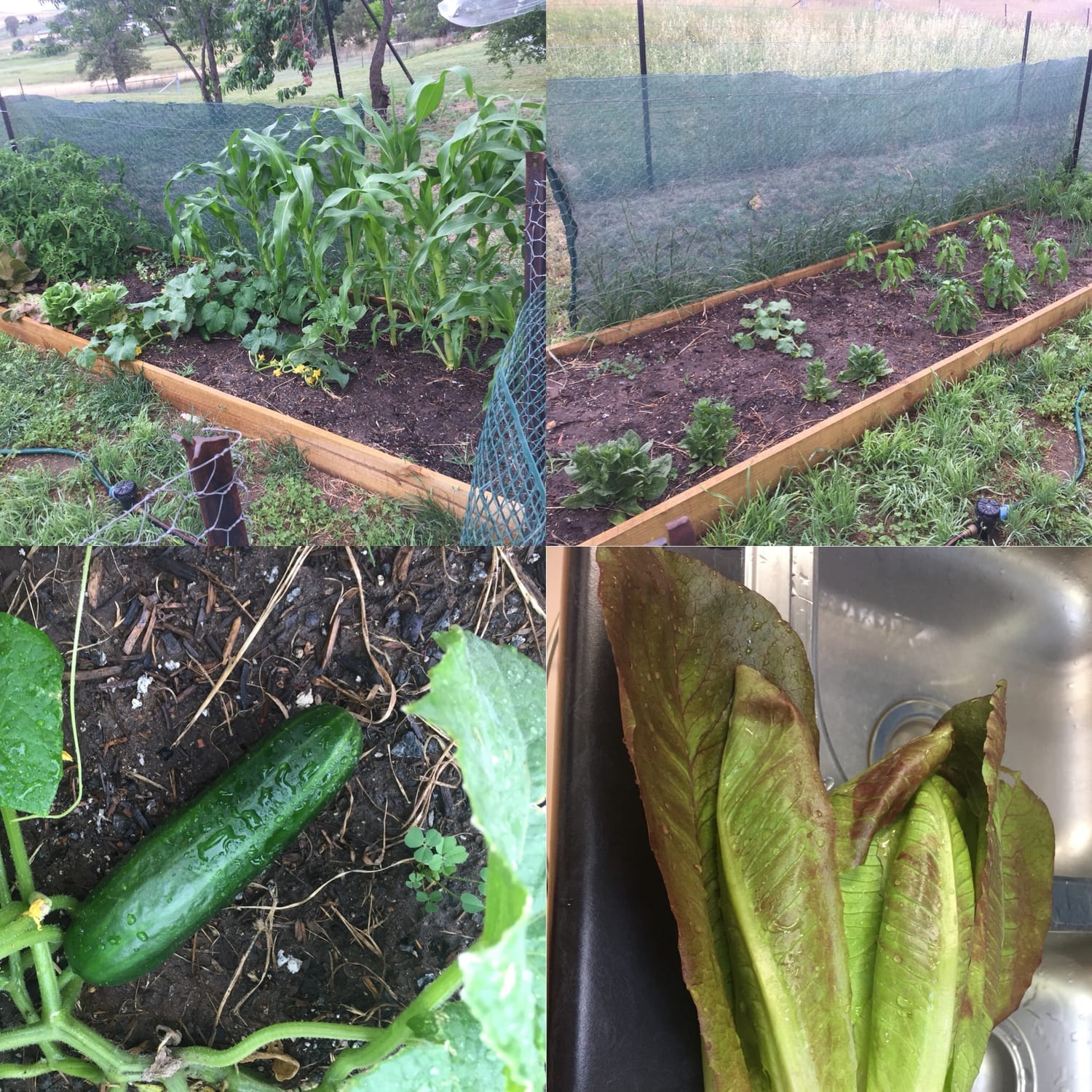
It's not always picture-perfect gardens and spotless barns. Real homesteading is about doing what you can with what you've got - whether that's growing herbs on your apartment balcony or raising chickens in your suburban backyard.
The basic definition of homesteading is living a life of self-sufficiency by growing your own food, preserving it, and producing items for household use.
Unlike farming, which is primarily a business, homesteading focuses on meeting your family's needs first, with maybe some excess to sell or trade.
It's Your Definition That Matters
The most important thing to understand about homesteading is that it's personal. Your version might include:
Growing vegetables in containers on a patio
Making your own sourdough bread and soap
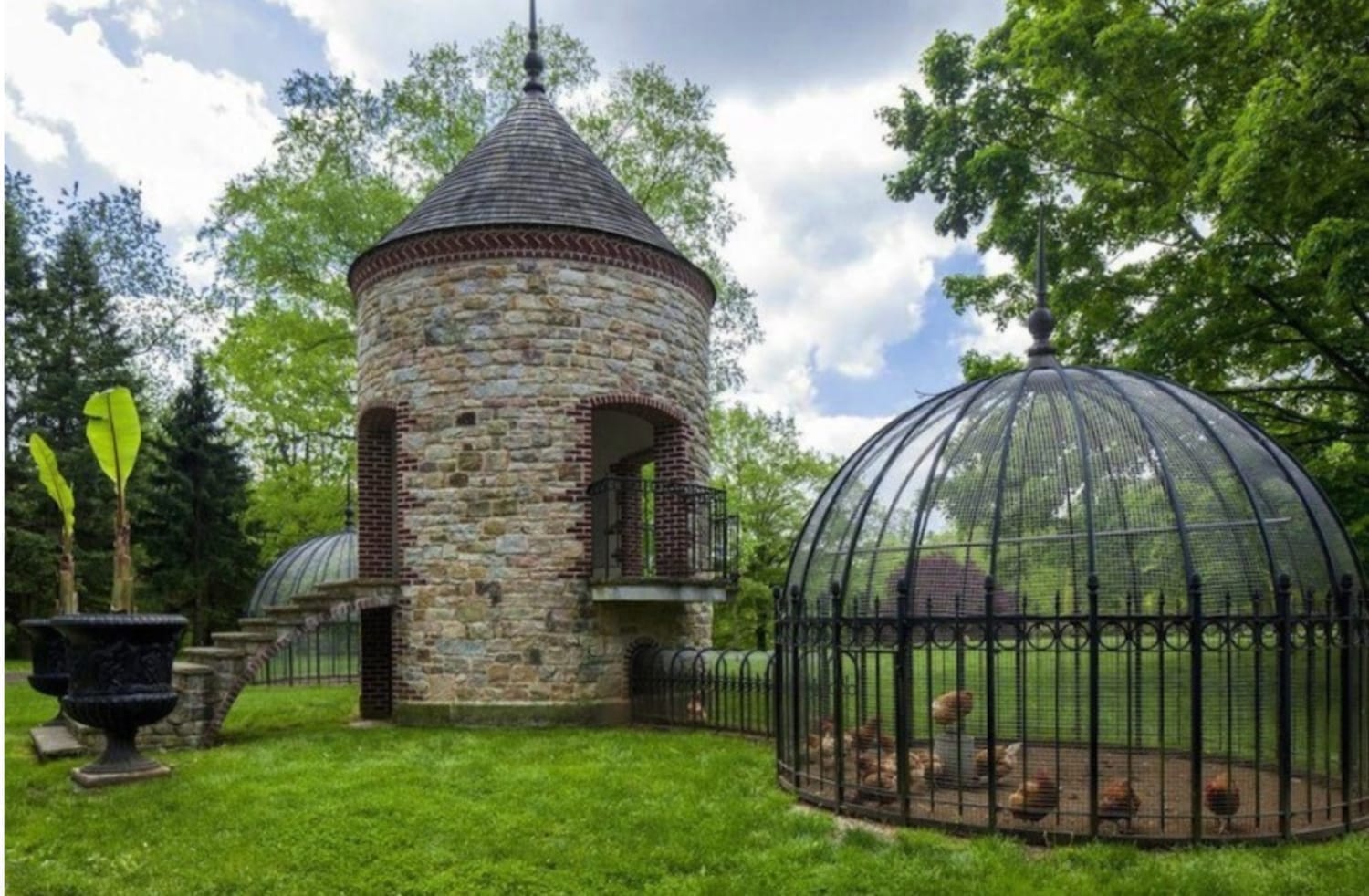
Keeping a few backyard chickens for eggs
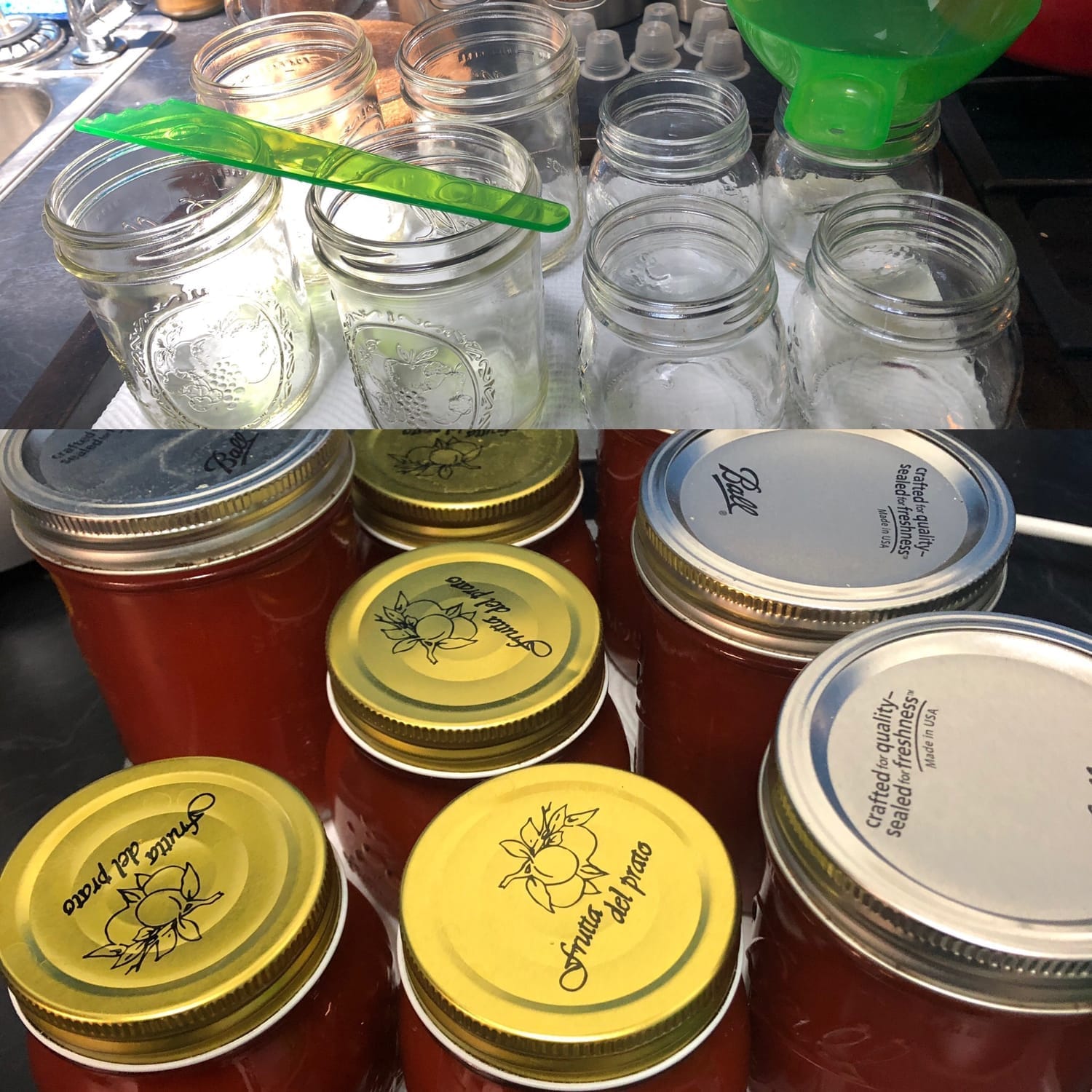
Preserving seasonal foods through canning or dehydrating
Trading homegrown produce with neighbors
There's no checklist you must complete to call yourself a homesteader. It's about taking steps toward self-sufficiency that work for your situation.
Starting Your Homesteading Journey
Begin Where You Are
You don't need acres of land or a perfect setup to start homesteading. Many people begin their journey in urban apartments by:
Growing herbs on window sills
Making homemade cleaning products
Learning to bake bread from scratch
Preserving seasonal fruits when they're on sale
As one homesteader shared, "I started by buying marked-down cherries at the farmers market and learning to can them. It cost almost nothing, and if I messed up, it wouldn't be a big deal."

Focus on Skills, Not Stuff
Homesteading requires skills more than space or equipment. The most valuable assets are:
Patience and problem-solving abilities
Willingness to learn from mistakes
Resource management (using what you have)
DIY repair knowledge
Basic cooking and food preservation techniques
These skills develop over time. No homesteader begins knowing everything - they learn as they go and improve with practice.
Busting Homesteading Myths
Myth #1: You Need to Quit Your Job
Most successful homesteaders maintain regular jobs while building their self-sufficient lifestyle. In fact, that income helps fund homesteading projects and provides security while you're learning.
Myth #2: You Need the Perfect Property
You can homestead anywhere - from a studio apartment to a small suburban lot. The property doesn't need to be perfect; you work with what you have and improve it over time.
Myth #3: You Need to Know Everything
Homesteading is a constant learning process. Nobody starts as an expert. Your first sourdough might be a brick, your first garden might fail, but you'll get better with each attempt.
Your Homesteading Plan
To start your own journey toward self-sufficiency and ditch the store more often:
Write down what "your version" of homesteading looks like
Identify your food needs and which ones you might produce yourself
Assess your available time and space
Start small with one or two projects
Celebrate every win, no matter how small
Remember that homesteading grows with you. What begins with a few herb plants might eventually lead to a full garden, homemade staples, and maybe even some animals.
The key is to start where you are and enjoy the process of becoming more self-sufficient one step at a time.
Key Aspects of Self-Sufficiency
Homesteading connects you with basic needs in a hands-on way. Instead of relying on stores and services, you learn to provide for yourself - creating a more direct relationship with your food, home, and resources.
Living Off the Land
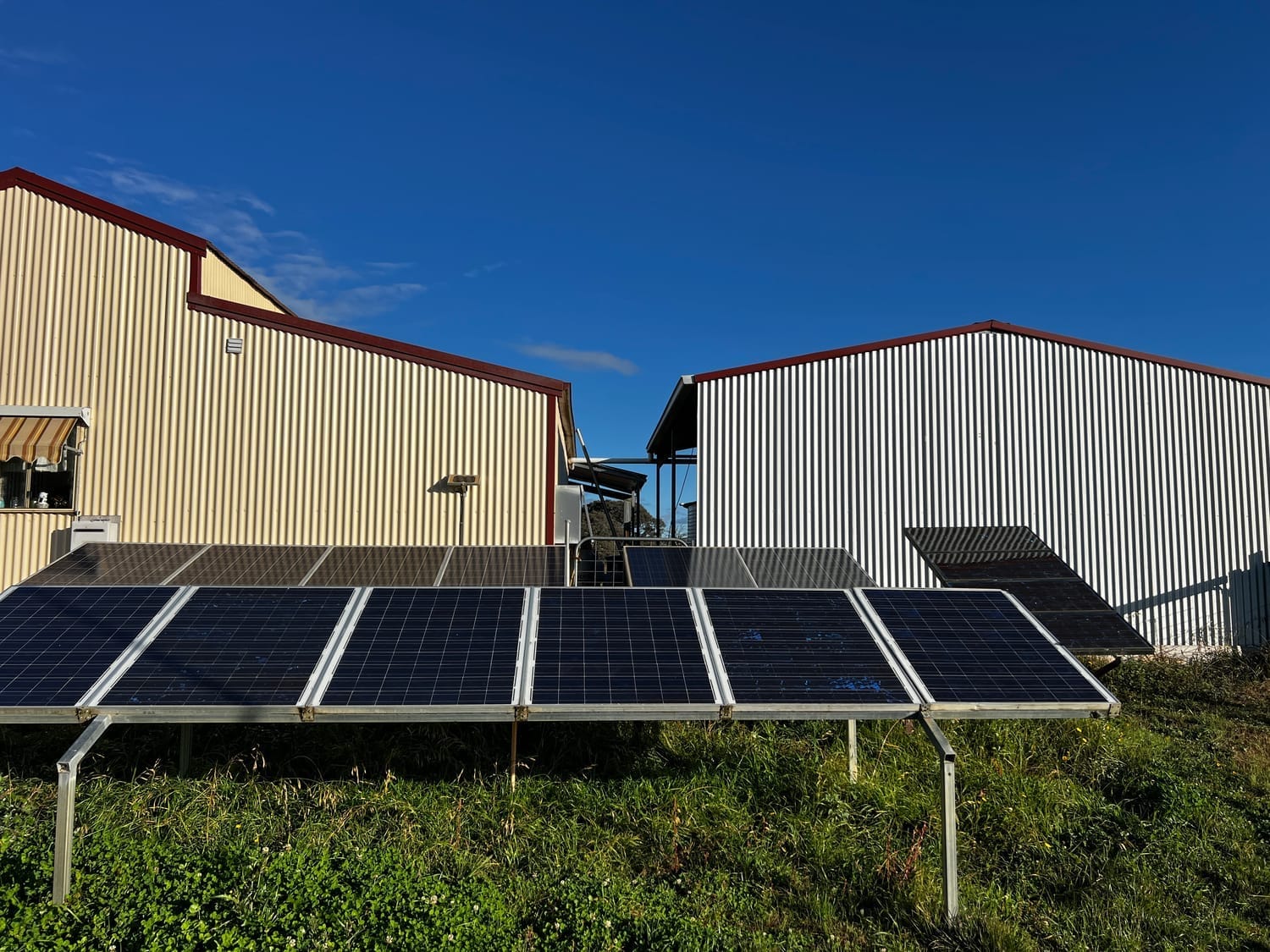
The heart of homesteading is working with what nature provides. This looks different depending on your situation, but the goal remains the same: use your available resources to meet your needs.
For some, this means tending a small herb garden on an apartment balcony. For others, it might include raising animals for eggs, milk, or meat. The key is making the most of what you have.
Living off the land doesn't mean you must produce everything yourself. Start with just one area - maybe growing some of your own vegetables or keeping chickens for eggs. Even replacing 10% of store-bought items with homegrown ones is a win.
Many beginners find that growing herbs and leafy greens gives the biggest payoff for minimal space. A few pots of basil, mint, and lettuce can save money and provide fresher food than what's available at stores.
Make Your Own: Crafts and Textiles
Self-sufficiency extends beyond food to household items and necessities. Making your own products reduces store dependence and often creates higher-quality, healthier alternatives.
Start with simple projects like homemade cleaning supplies. A basic all-purpose cleaner made from vinegar, water, and essential oils costs pennies compared to store versions and works just as well without harsh chemicals.
Soap making is another popular homesteading skill. While it requires careful handling of lye, the process is straightforward, and the results often surpass commercial soaps. Just be sure to work in a well-ventilated area when making soap at home.
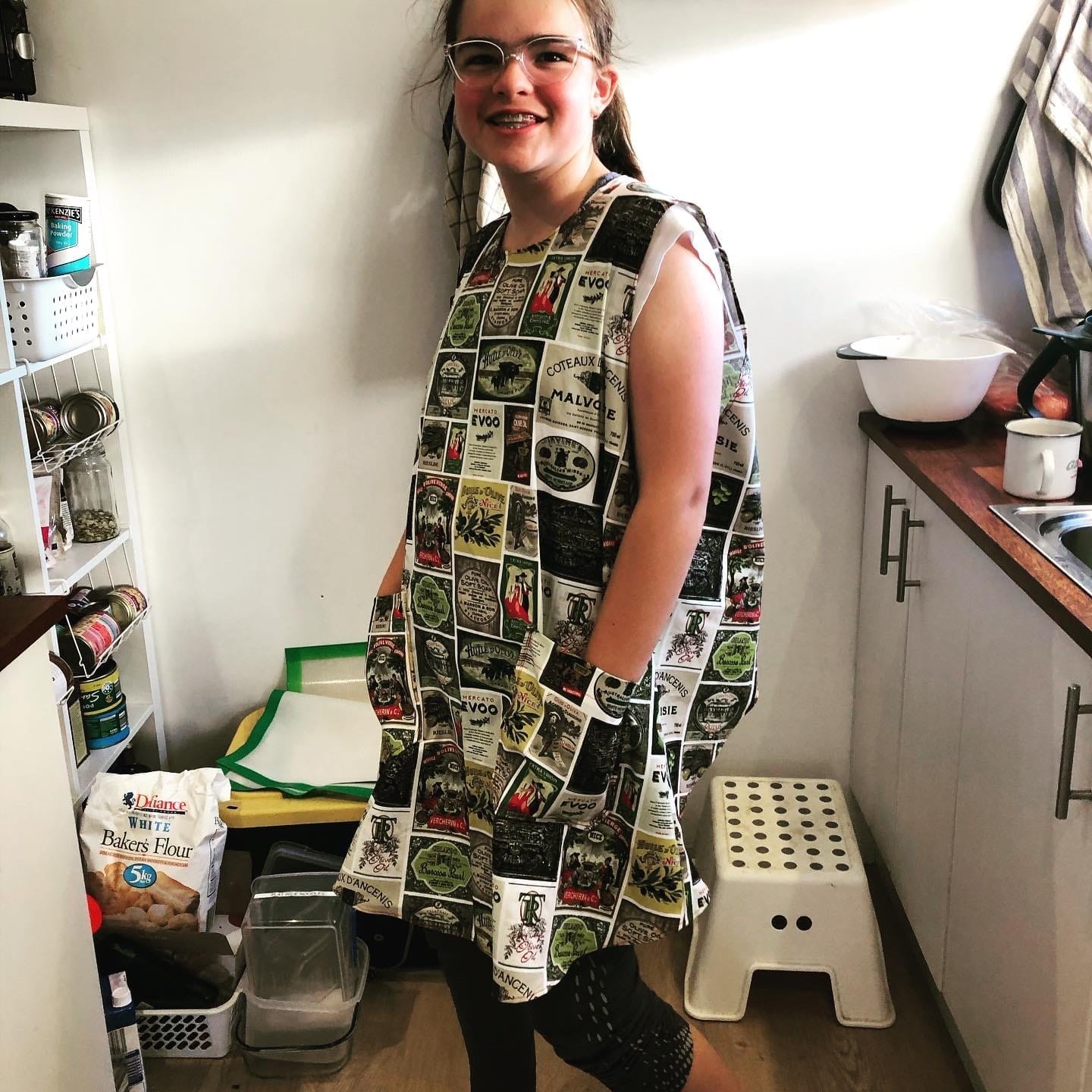
Textile skills like sewing, knitting, or crocheting let you create and repair clothing and household items. Even basic mending skills can extend the life of clothes and save money. One homesteader shared: "I learned to darn socks and now my wool hiking socks last years instead of months."
Remember that these skills take time to develop. You might not make perfect soap or bread on your first try. The learning process is part of the homesteading journey.
Practical Tips for Aspiring Homesteaders
Moving from dreaming to doing requires practical steps. Here's how to make real progress on your homesteading journey, no matter where you live.
Ditch the Store: Food Preservation and Bartering
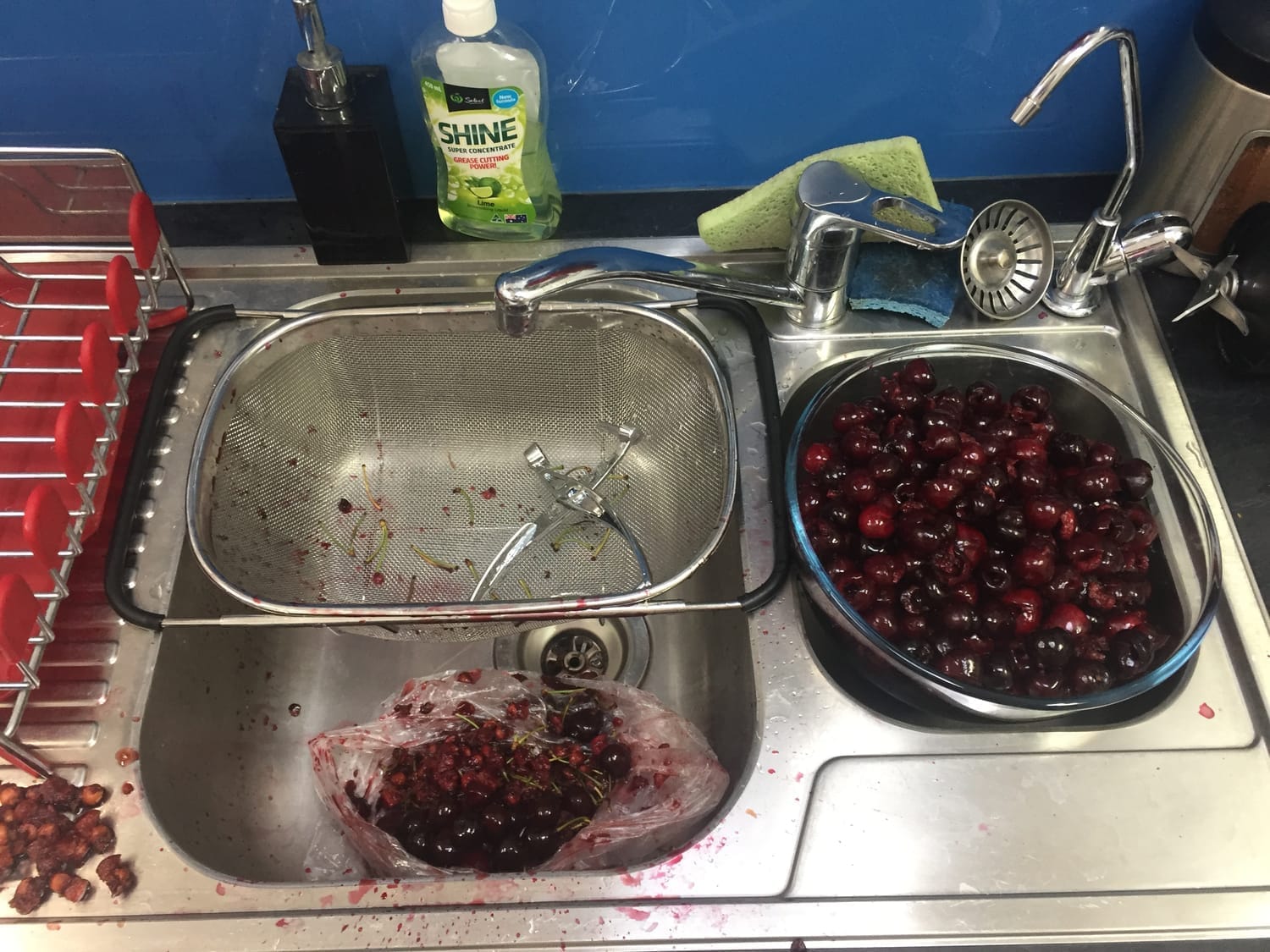
Food preservation lets you enjoy seasonal abundance year-round and reduces grocery store trips. You don't need fancy equipment to start - just basic knowledge and a few supplies.
Freezing is the easiest preservation method for beginners. If you have a small freezer, start by freezing berries, chopped vegetables, or prepared meals. Label everything with dates and use the oldest items first.
Dehydrating works well for herbs, fruits, and even meat jerky. You can start with your oven on its lowest setting before investing in a dedicated dehydrator. Dried herbs retain flavor for months and take almost no storage space.
Canning requires more equipment but allows long-term storage without refrigeration. Begin with high-acid foods like pickles or jam, which are safer for water bath canning. Pressure canning comes later as you gain experience.
Bartering brings the community aspect to homesteading. Trade your excess produce or homemade goods with neighbors who have different skills or crops. One homesteader trades extra eggs for honey from a neighbor's hives - both get items they want without spending money.
Starting Small: Urban and Backyard Homesteading
You don't need acres to homestead. Urban and suburban homesteaders work with limited space to produce surprising amounts of food and other necessities.
Container gardening works in the smallest spaces. Grow herbs in windowsills, lettuce in railing planters, or tomatoes in five-gallon buckets. Even apartment dwellers can produce fresh herbs and greens year-round.
Vertical gardening maximizes limited space. Trellises, wall-mounted planters, and hanging baskets turn unused vertical space into productive growing areas. One urban homesteader grows beans, cucumbers, and squash vertically on her small patio.
Community gardens offer growing space when you have none. Many cities have plots available for minimal yearly fees. Beyond space, you gain knowledge from experienced gardeners and potential bartering partners.
Backyard chickens provide eggs, pest control, and compost in suburban settings. Most areas allow a few hens (though rarely roosters). Three to four hens can produce enough eggs for a small family while requiring minimal space and care.
Beekeeping works in urban environments too. A single hive needs just a few square feet but provides honey and vital pollination for your garden. Check local regulations, as many areas permit urban beekeeping with proper registration.
The homesteading mindset matters more than your acreage. Focus on skills, resourcefulness, and making the most of what you have. Each small step reduces your dependence on stores and builds your self-sufficiency muscles.
Remember that homesteading is a marathon, not a sprint. Start with what interests you most, learn from mistakes, and celebrate small victories. Your version of homesteading will grow and change as you gain experience and confidence in your abilities.
The most important step is simply to begin. Whether that means planting your first seeds, making your first loaf of bread, or planning your chicken coop, taking action moves you from dreaming about self-sufficiency to living it.
Want to Ditch the Store and Produce More of Your Own Food?
Join the Mojo Homestead community for practical homesteading tips, backyard chicken advice, seasonal gardening inspiration, and simple ways to build a more self-sufficient lifestyle.
Because every egg you collect yourself is one less reason to rely on the supermarket.


BY MOJO HOMESTEAD