
Why Autumn Is the Smartest Time to Get Chickens
Autumn might actually be the smartest time to start.
I know. Most people say spring. And look — there’s a case for that. But if you’re a beginner homesteader trying to ditch the store and take back control of your food supply, autumn has some serious advantages.
So let’s break it down properly.
By the end of this post you’ll know:
The best age birds to buy in autumn
How to prepare your coop properly
What to feed (and what not to waste money on)
How to avoid common beginner mistakes
Why your egg basket won’t overflow straight away
Let’s get into it.
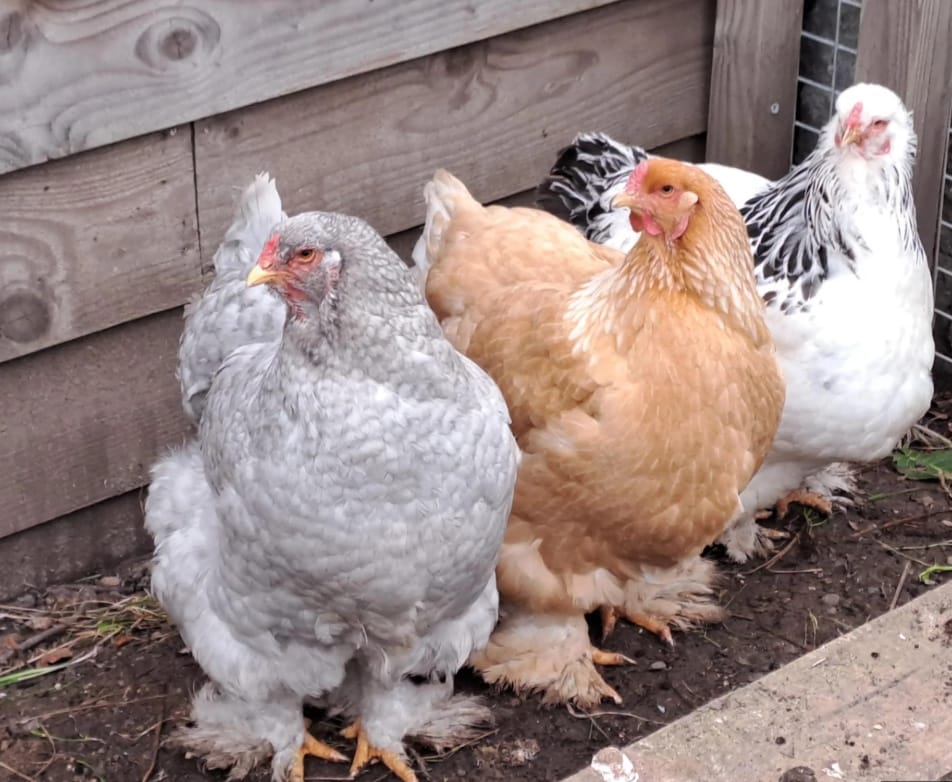
Why Autumn Makes Sense for Beginner Chicken Keepers
Autumn is a winding-down season.
The veggie garden is slowing.
Preserving season is nearly done.
The frantic spring rush hasn’t started yet.
If you’re new to homesteading and you’re not juggling breeding programs, fibre prep, or kilos of produce — autumn gives you breathing space.
And chickens? They need time and routine more than anything.
Autumn gives you both.
Choosing the Right Age Birds for Autumn
This isn’t about randomly grabbing whatever’s available. Timing matters.
You’ve got two solid options.
Option 1: Buy 14–16 Week Old Pullets (Just Before Point of Lay)
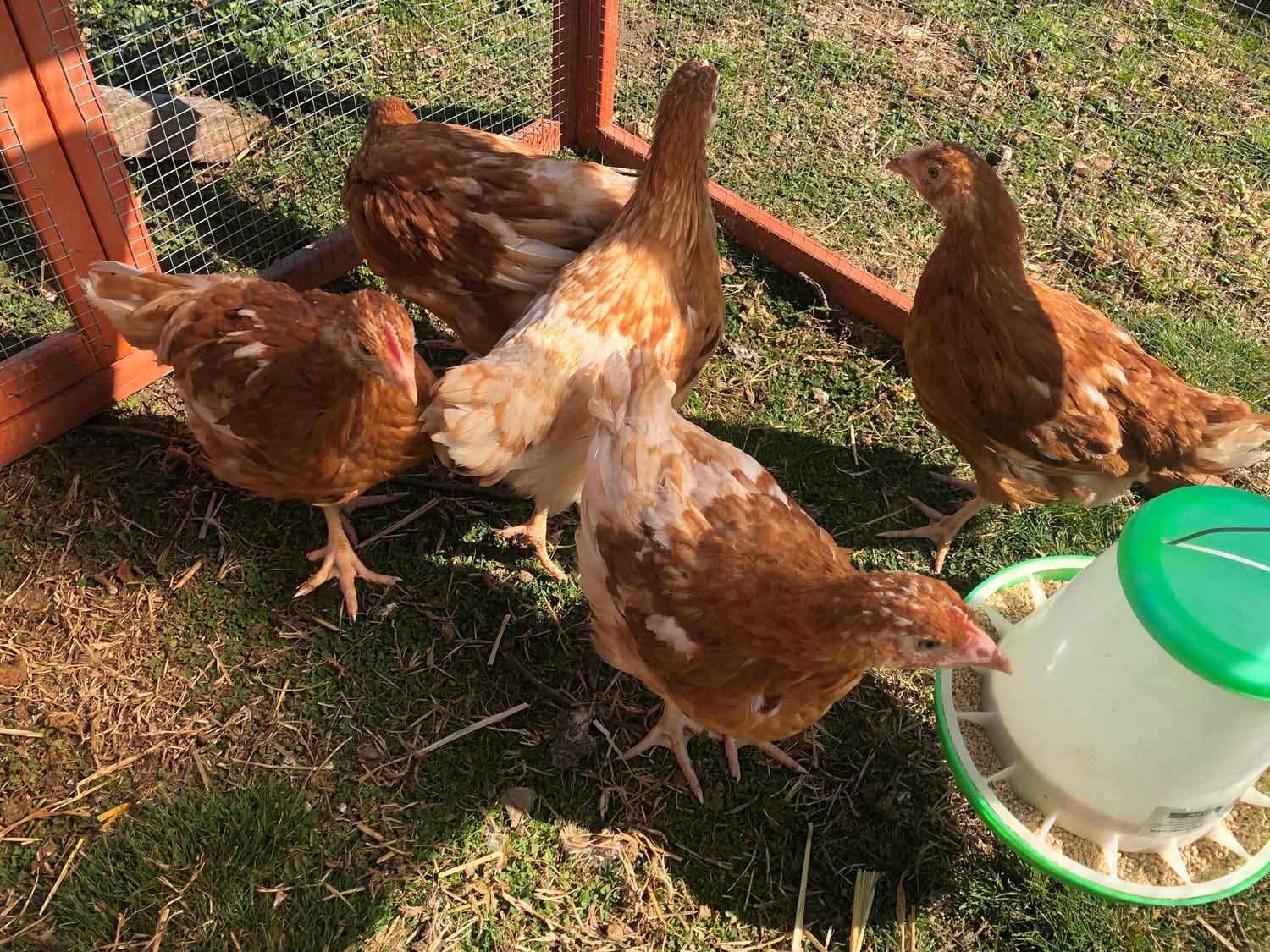
This is my favourite autumn strategy.
At 14–16 weeks, they’re:
Fully feathered
Hardy enough for cooler weather
Still young enough to settle into your routine
They’ll mature through winter.
Now here’s something most beginners don’t realise:
Chickens don’t stop laying because it’s cold. They stop laying because of reduced daylight hours.
As the days start lengthening after winter solstice (even if it still feels freezing), their bodies kick into gear.
So if you bring pullets home in autumn:
They settle in.
They establish pecking order.
They mature quietly.
Then boom — late winter/early spring eggs.
Not a flood straight away.
But a natural, healthy start.
Option 2: Buy Day-Old Chicks in Early Autumn
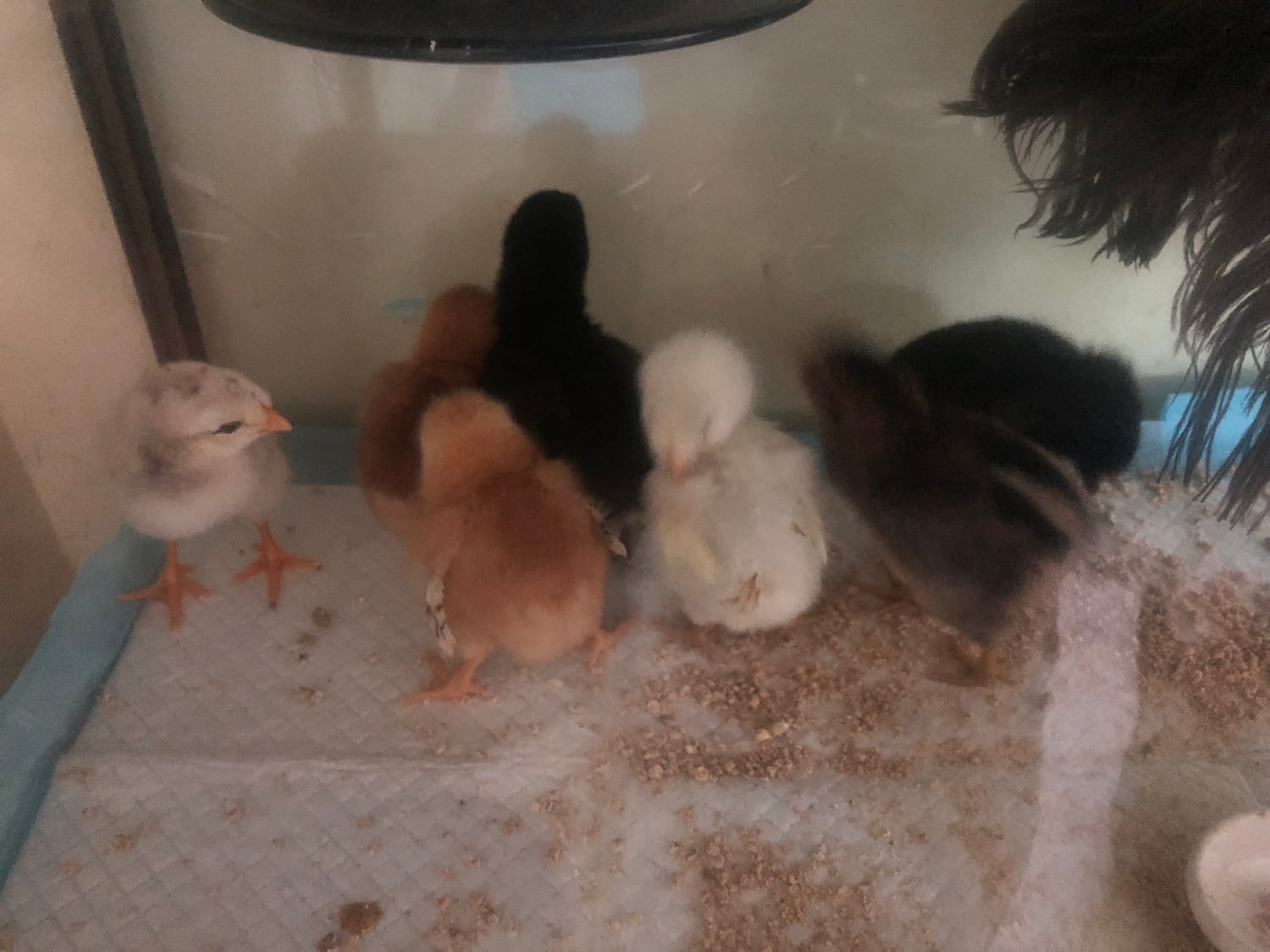
If you’re happy to run a brooder, this is also a brilliant option.
Here’s why:
Raise them through autumn.
They grow out over winter.
They hit 20+ weeks right as daylight hours increase in spring.
That means your first proper laying season lines up beautifully with nature.
Important caveat:
If you live somewhere that starts snowing in two weeks — maybe wait until spring.
But most Aussie climates? Autumn chicks work just fine.
What NOT To Do
Let’s save you a headache.
❌ Don’t buy random older hens expecting winter eggs.
❌ Don’t mix birds from five different backyards.
❌ Don’t buy mixed ages for your first flock.
Keep it simple. Same age. Same source. Healthy birds.
Ask breeders:
Hatch dates
Vaccination status
Breed specifics
What feed they’re currently on
If changing feed — transition slowly over 1–2 weeks.
Set Up Your Coop Before Chickens Arrive
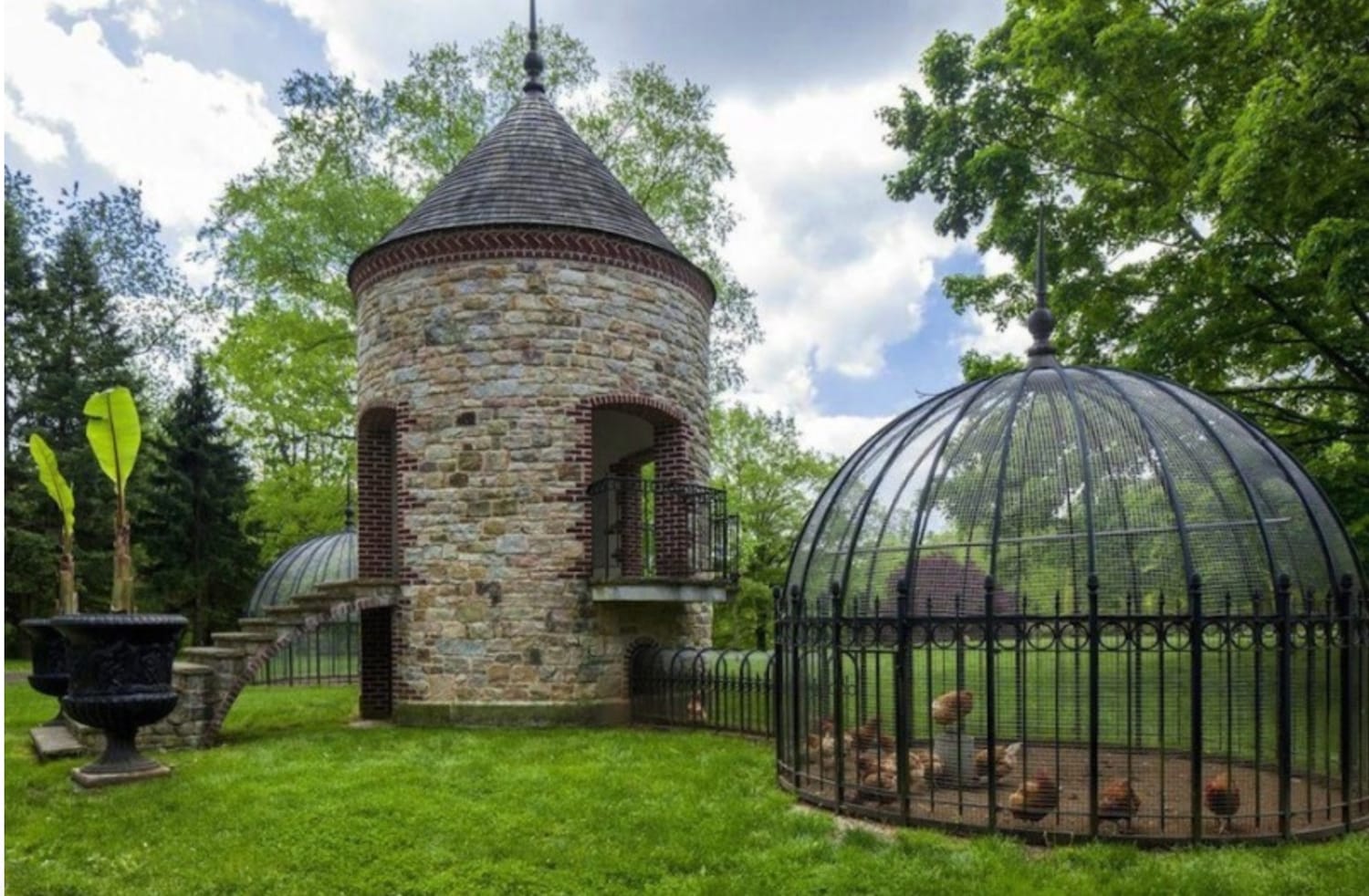
I cannot stress this enough.
Do not bring birds home without a finished coop.
Not “nearly done.”
Not “we’ll finish it this weekend.”
Done.
Minimum Setup Requirements
1 nesting box per 3 hens (but honestly… add one extra)
20cm of roosting space per bird
Secure predator-proof latches
Wire mesh buried 30cm into the ground around the coop
Good airflow without drafts
Foxes are clever.
Raccoons (for my US friends)? Even cleverer.
If it can be opened, dug under, or climbed over — it will be.
Pro Tip: The Sunset Check
Stand inside the coop at dusk. If you see light coming through gaps, predators can get in.
Fix it now.
Autumn Feeding Plan (Stop Wasting Money on Scratch Mix)
Let’s talk feed.
Base Feed: Quality Layer Pellets, this is their proper meal, with complete nutrition and balanced protein (usually 16–18%). You will get consistent results.
Scratch mix?
That’s chicken lollies. Use it strategically — for training, not daily feeding.
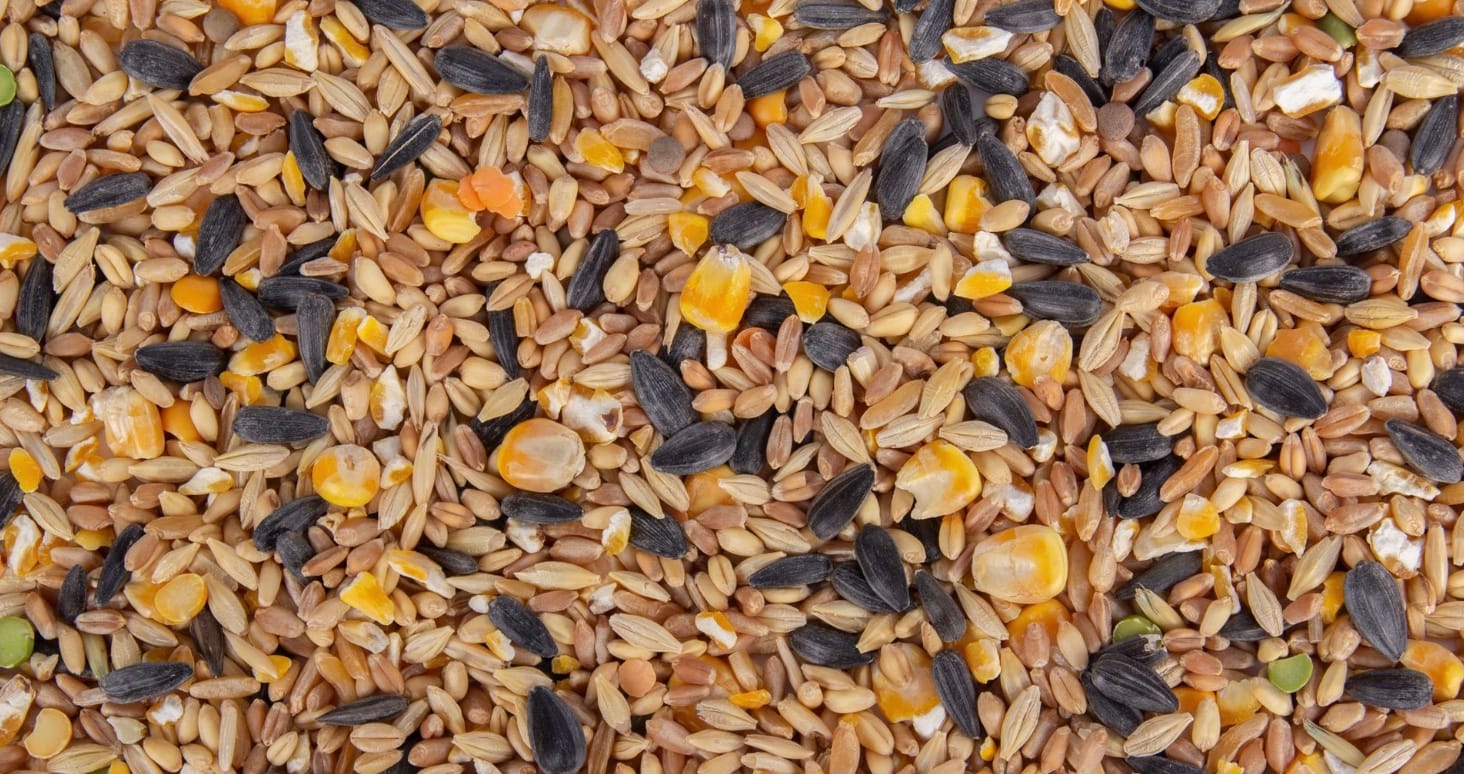
Training Trick That Actually Works
Call them. Throw a handful of scratch.
The bright corn pieces grab attention fast.
Soon enough, when you call — they run.
Very helpful when you need them back in before dark.
Chick Starter for Autumn Chicks
If raising day-olds:
Use chick starter (medicated or not — your call).
Transition gradually to grower, then layer feed.
And from 6–8 weeks onwards, offer shell grit.
Shell grit acts like teeth in their crop.
Without it, they can’t properly process food.
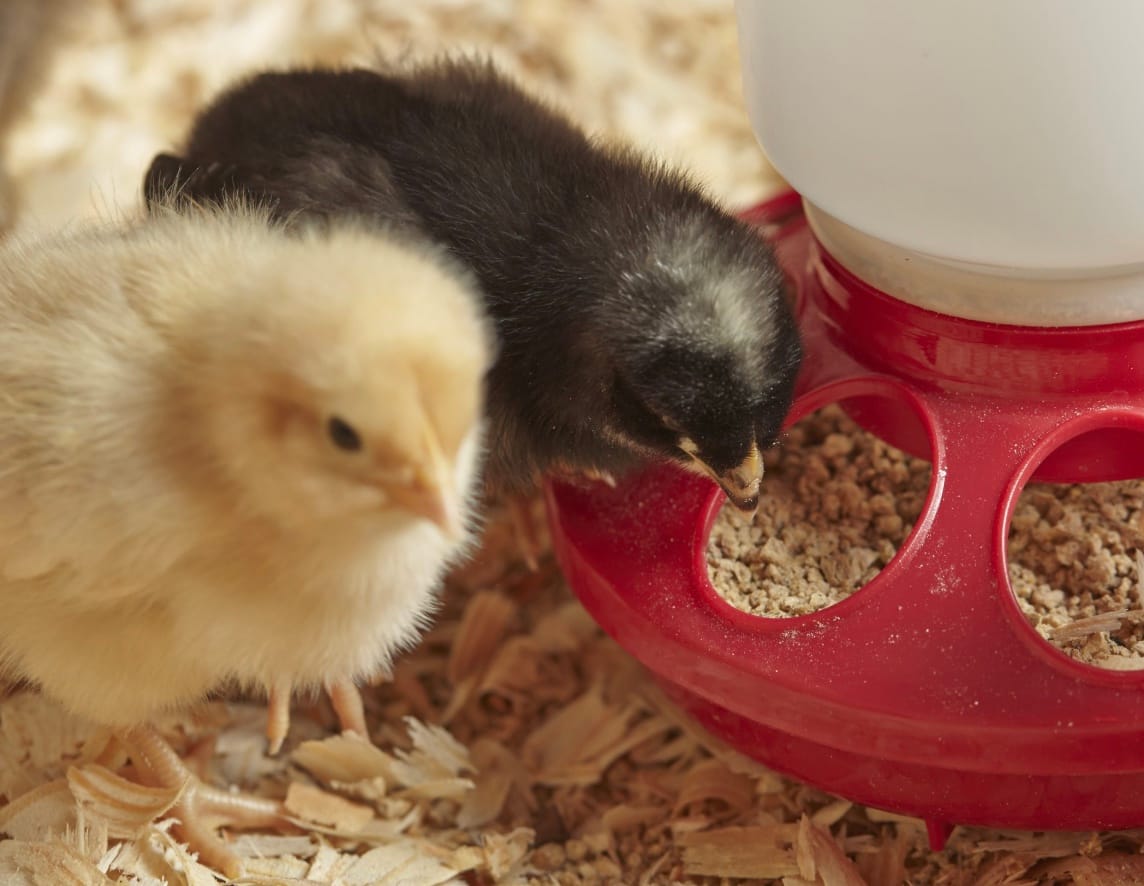
Water Matters More Than You Think
Fresh water daily. No slime. No mould.
Autumn pasture quality drops — especially for free-range birds. So ensure they have plenty of clean water to help with digestion of the pellets.
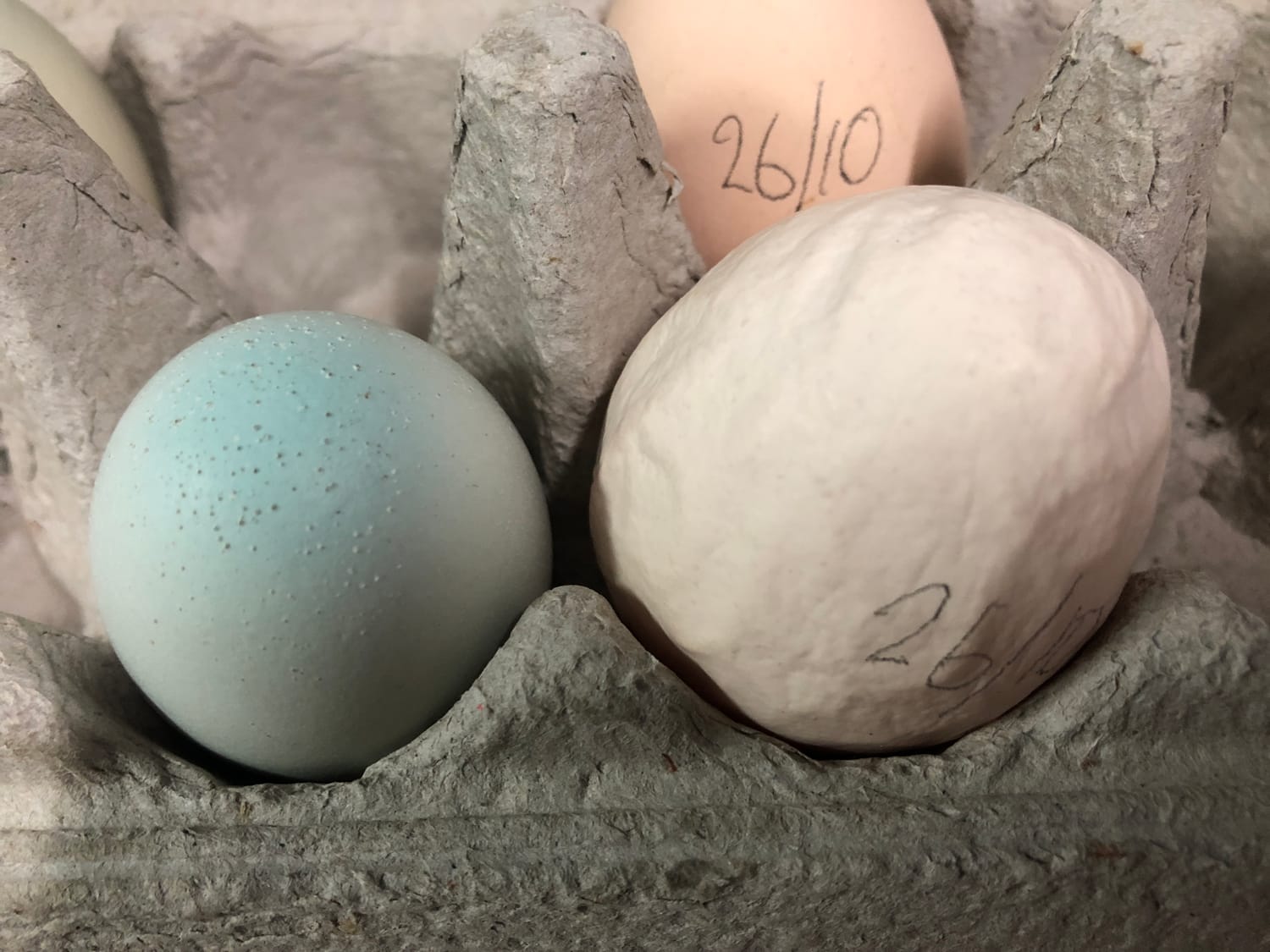
Managing Expectations: Eggs Won’t Flood In Straight Away
This is where families get impatient.
Chickens need:
20 weeks (ISA Browns and early layers)
24–28 weeks (heritage breeds like Brahmas)
And early eggs?
They can be:
Tiny fairy eggs
Odd shapes
Inconsistent timing
It’s normal. Their bodies are adjusting. Be patient. The steady rhythm will come.
Your 4-Week Action Plan to Get Chickens This Autumn
Let’s keep this practical.
Week 1 – Research & Book
Call breeders or hatcheries
Confirm availability
Set a realistic pickup date
Week 2 – Build & Secure Coop
Finish it completely
Predator-proof it properly
Week 3 – Buy Feed & Supplies
Pellets
Waterers
Feeders
Shell grit
Bedding (if using it)
Week 4 – Bring Your Birds Home
Settle them in
Start your routine
Begin training with scratch mix
Simple. Doable. Capable.
Final Thoughts from a Working Farm Mum
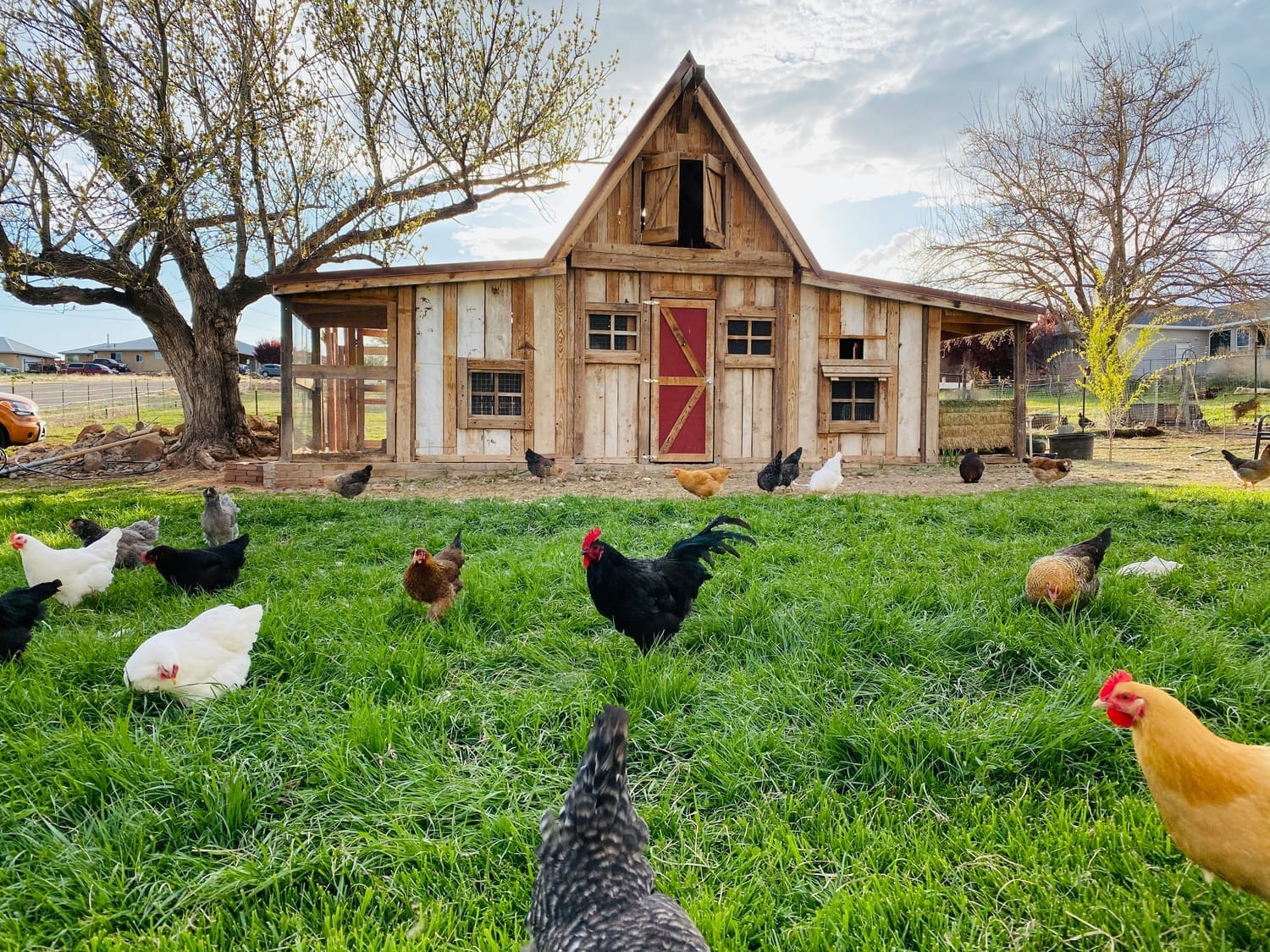
I’ve been keeping chickens properly for nearly nine years now here at Mojo Homestead — and I grew up managing egg and meat birds long before that
Chickens are one of the most practical first steps in ditching the store.
They:
Reduce grocery bills
Turn scraps into protein
Produce fertiliser
Teach kids responsibility
Connect you back to your food
Autumn gives you time to get it right.
And getting it right from the start? That saves money, heartbreak, and stress.
If you do start your autumn chicken journey, tag @MojoHomestead — I genuinely love seeing new flocks come together.
Life is too short to eat store-bought eggs.
— CJ 🐓
Want to Ditch the Store and Produce More of Your Own Food?
Join the Mojo Homestead community for practical homesteading tips, backyard chicken advice, seasonal gardening inspiration, and simple ways to build a more self-sufficient lifestyle.
Because every egg you collect yourself is one less reason to rely on the supermarket.


BY MOJO HOMESTEAD