
Your First Year Homesteading
Your First Year Homesteading: A Seasonal Plan to Ditch the Store Without Losing Your Mind
Starting your first year of homesteading is exciting.
It’s also the fastest way to overwhelm yourself if you’re not careful.
I’ve seen it so many times — and I’ve done it myself. You want the chickens, the veggie garden, the bees, the sourdough, maybe a milk goat… and suddenly you’re knee-deep in half-finished projects wondering why you thought this was manageable.
Here’s the truth: the first year is the hardest. Not because you’re not capable — you absolutely are — but because you’re trying to build foundations while learning everything at once.
So instead of doing all the things, let’s talk about doing the right things. Season by season.
Why You Need a Seasonal Plan (Not a Giant To-Do List)
Homesteading without a plan is like:
Getting animals without fences
Planting trees without guards
Building garden beds without fixing the soil
It’s chaos waiting to happen.
I don’t plan by calendar year. I plan by season. Because seasons matter more than dates. What you’re doing in Tasmania is going to look very different to someone in northern Queensland. Same goes for my Northern Hemisphere friends.
When you break the year into seasons, you stop looking at the whole mountain and just focus on the next three months.
That alone will save your sanity.
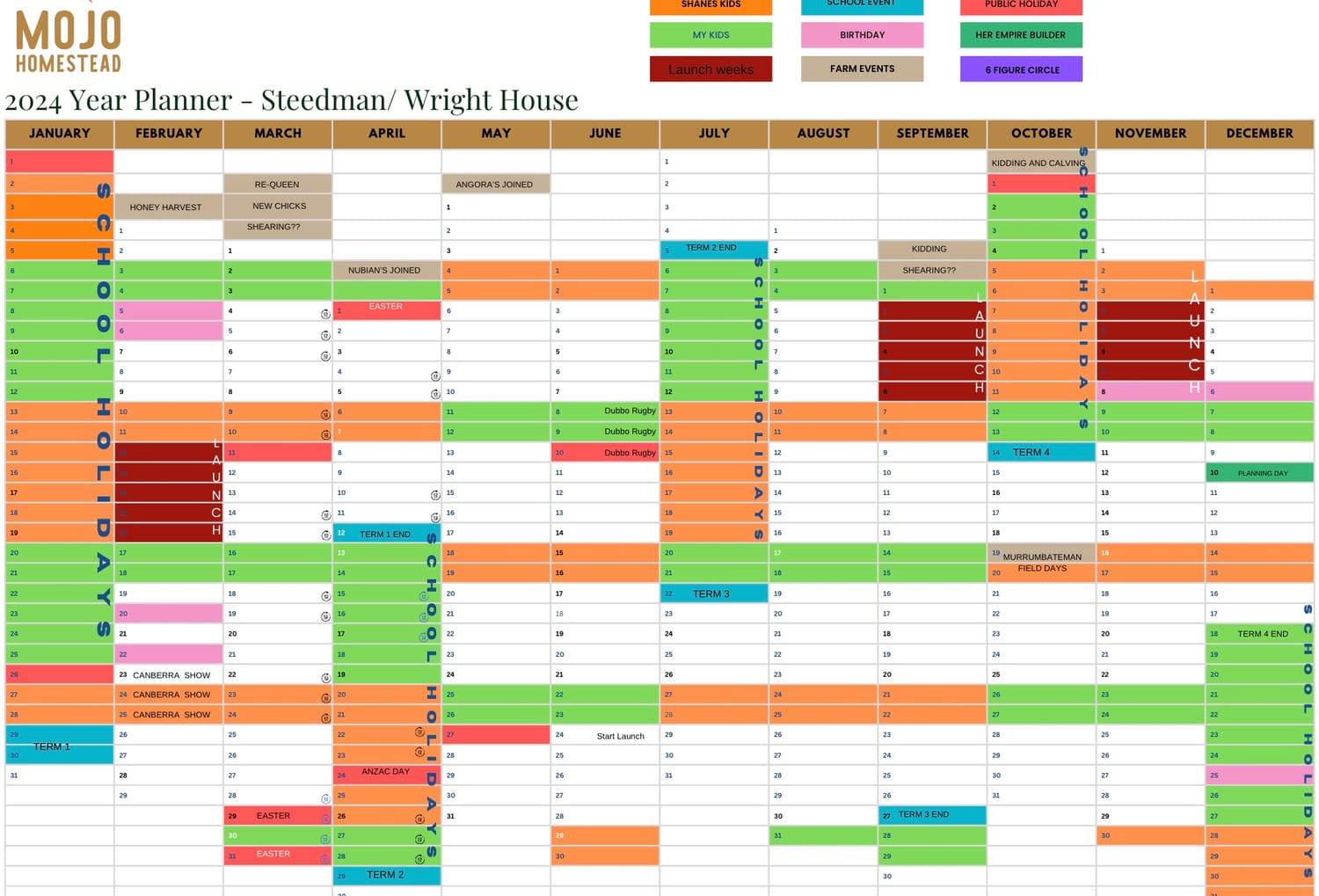
🍂 Autumn: Prep and Start Small
Autumn is my “set the groundwork” season. Not the “build the empire” season.
Slow down. Think. Prepare.
Focus on Soil First
Healthy soil is alive. It’s full of microorganisms doing the hard work for you. If your soil is thriving, your plants will be too.
In autumn:
Add compost
Add manure
Mulch heavily
Cover unused beds
Let the soil build strength over winter. Come spring, you’ll thank yourself.
If you’re not planting yet, that’s fine. Prep the beds anyway.
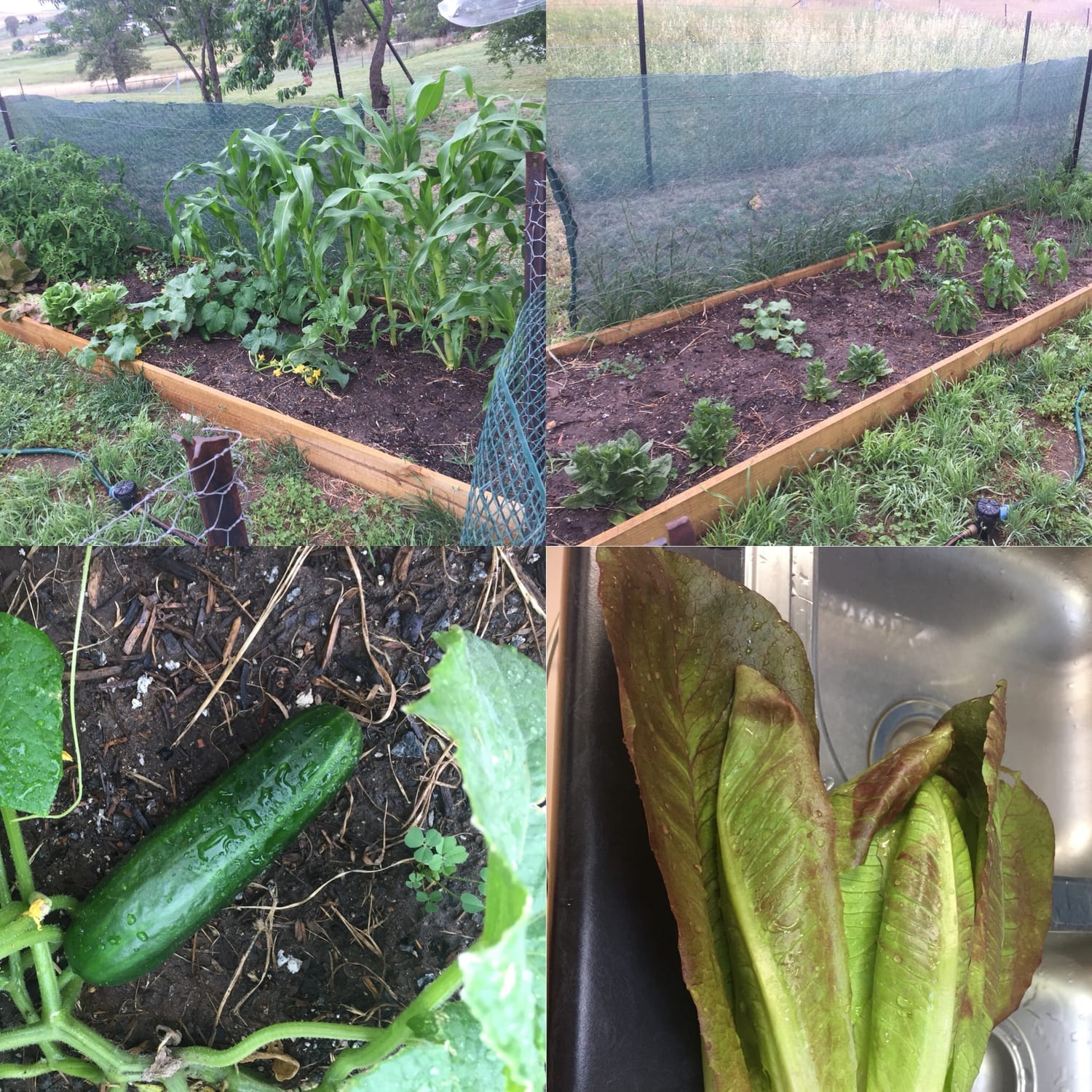
Start Composting
Set up a compost bin or worm farm. If you’re in a cold climate, keep it sheltered and warm.
Compost needs heat to break down properly. An old rug over the top works brilliantly.
It doesn’t have to be pretty. It just has to work.
Plant a Few Reliable Crops
Autumn is great for:
Garlic
Onions
Leafy greens
Broad beans
Broccoli
But here’s the key — don’t plant everything.
If this is your first year, aim for:
One solid garden bed
One compost system
Maybe a few chooks
That’s plenty.
You’re building foundations, not chasing perfection.
❄️ Winter: Rest, Repair and Learn
Winter is slower. Shorter days. Less light. More inside time.
And that’s not a bad thing.
Instead of fighting it, use it.
Do the Repairs
Winter is ideal for:
Fixing fencing
Repairing shelters
Building feeders
Tidy-up jobs in the shed
When spring arrives, you want infrastructure ready to go.
Build Your Skills
Winter is cooking season.
Make yogurt
Try your hand at cheese
Bake bread
Start fermenting
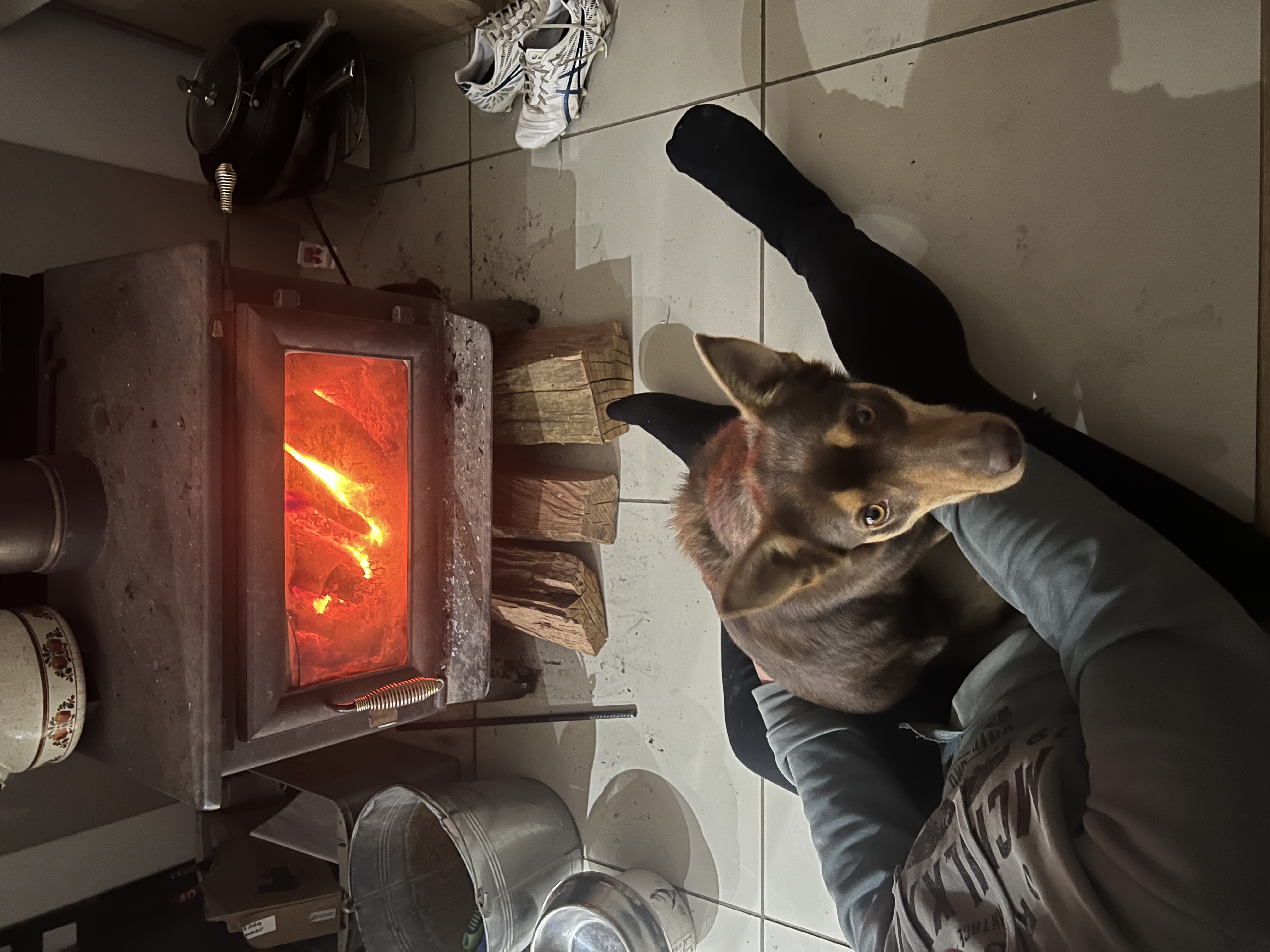
If you’ve got a wood fire going, even better. Use that steady warmth.

Increase Your Knowledge
Read. Do courses. Sketch plans.
Winter is when your knowledge grows so your homestead can grow later.
There’s no shame in resting more, either. Nature slows down for a reason.
You don’t have to be flat out all year.
🌱 Spring: Game On
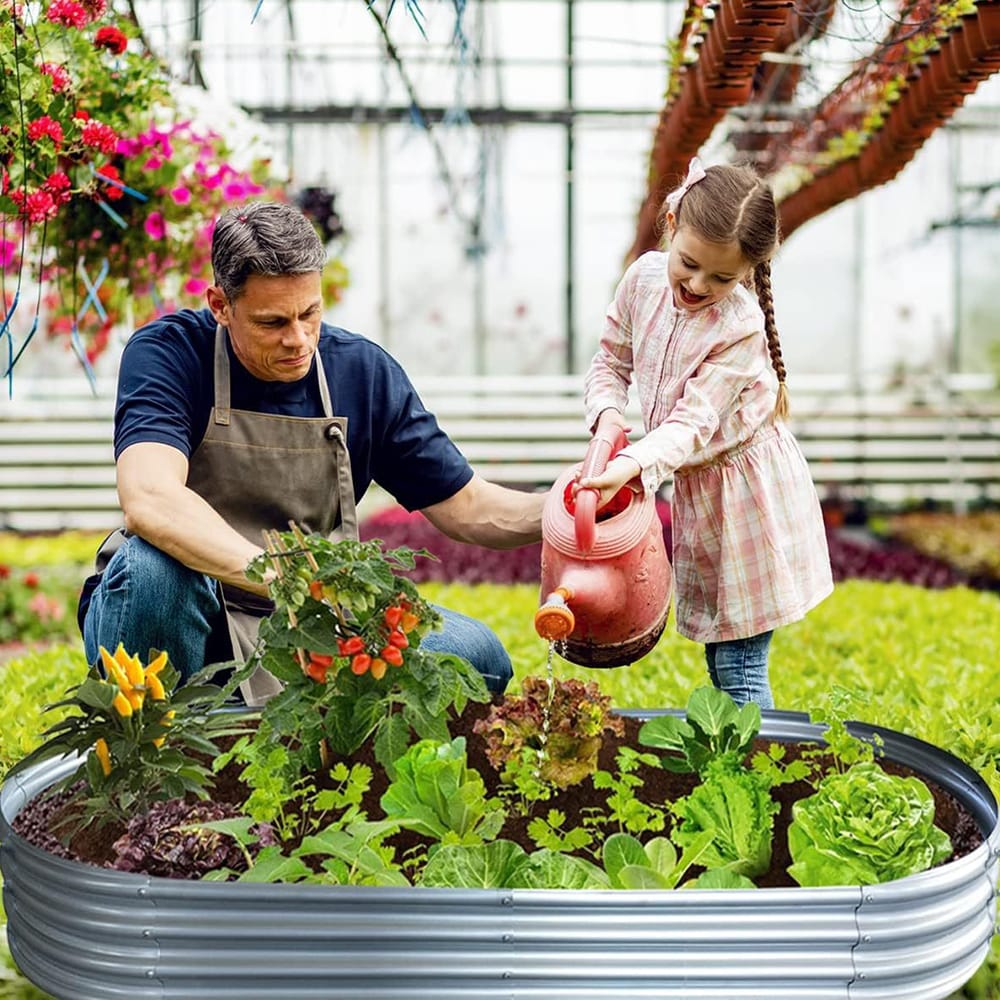
Spring is where it all kicks off.
Everything grows. Everything breeds. Everything demands attention.
This is why autumn and winter prep matters.
Grow What You Actually Eat
Please don’t make the mistake of growing things your family won’t touch.
If your kids smash cherry tomatoes and cucumbers, grow them.
If no one eats eggplant, don’t waste your energy.
Practical beats trendy.
Focus on:
Tomatoes
Cucumbers
Zucchinis
Herbs
Leafy greens
Get one bed thriving before expanding.
Animals in Spring
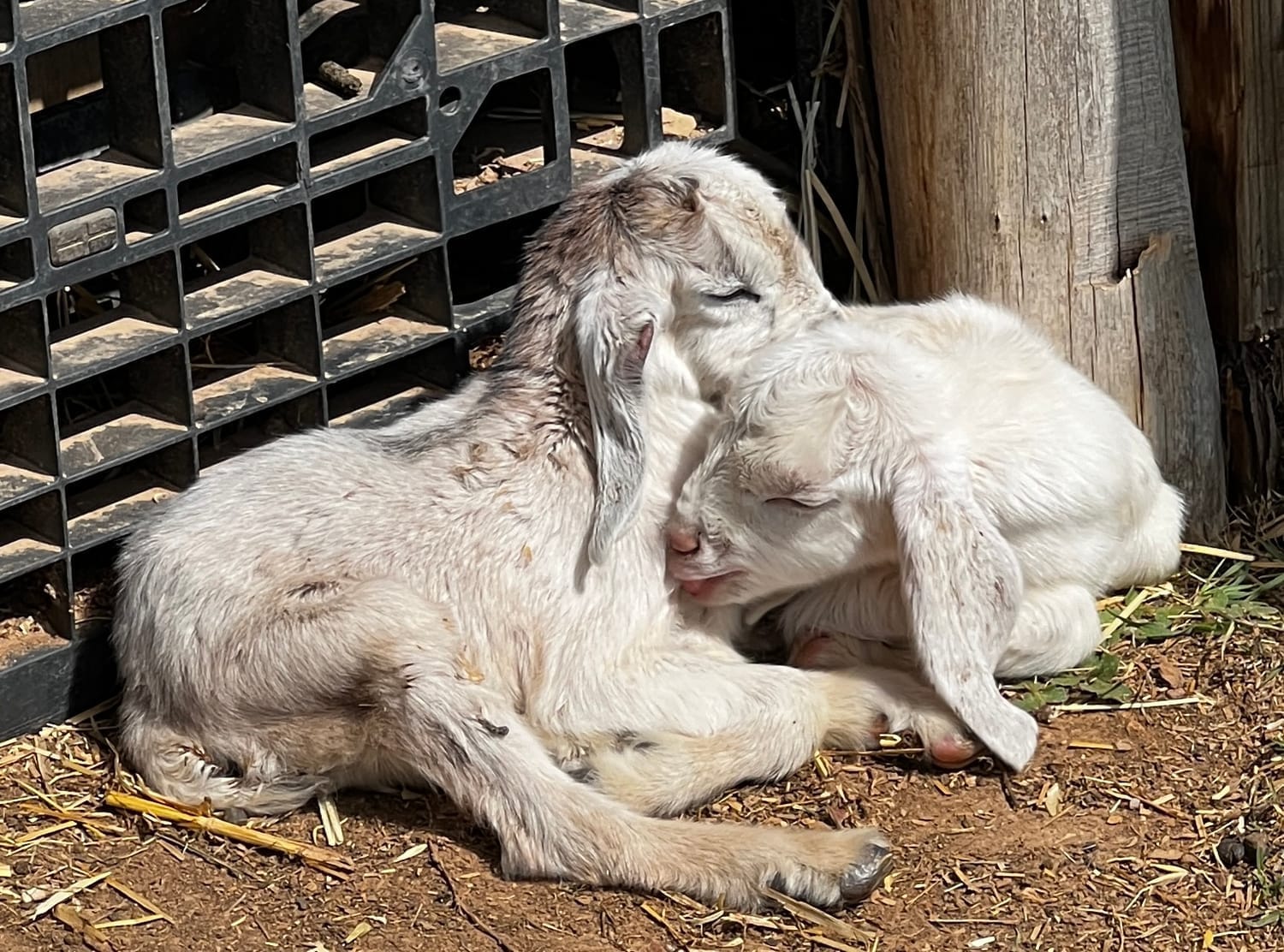
Spring is ideal for:
Baby chicks
Kidding goats
Starting bees
But infrastructure first.
Before animals arrive:
Water sorted
Shelters secure
Fencing solid
Feeders off the ground
Never bring animals home and then figure it out.
That’s stress you don’t need.
Set Simple Routines
Morning and afternoon routines will make or break your homestead.
Know when animals are fed.
Know when water is checked.
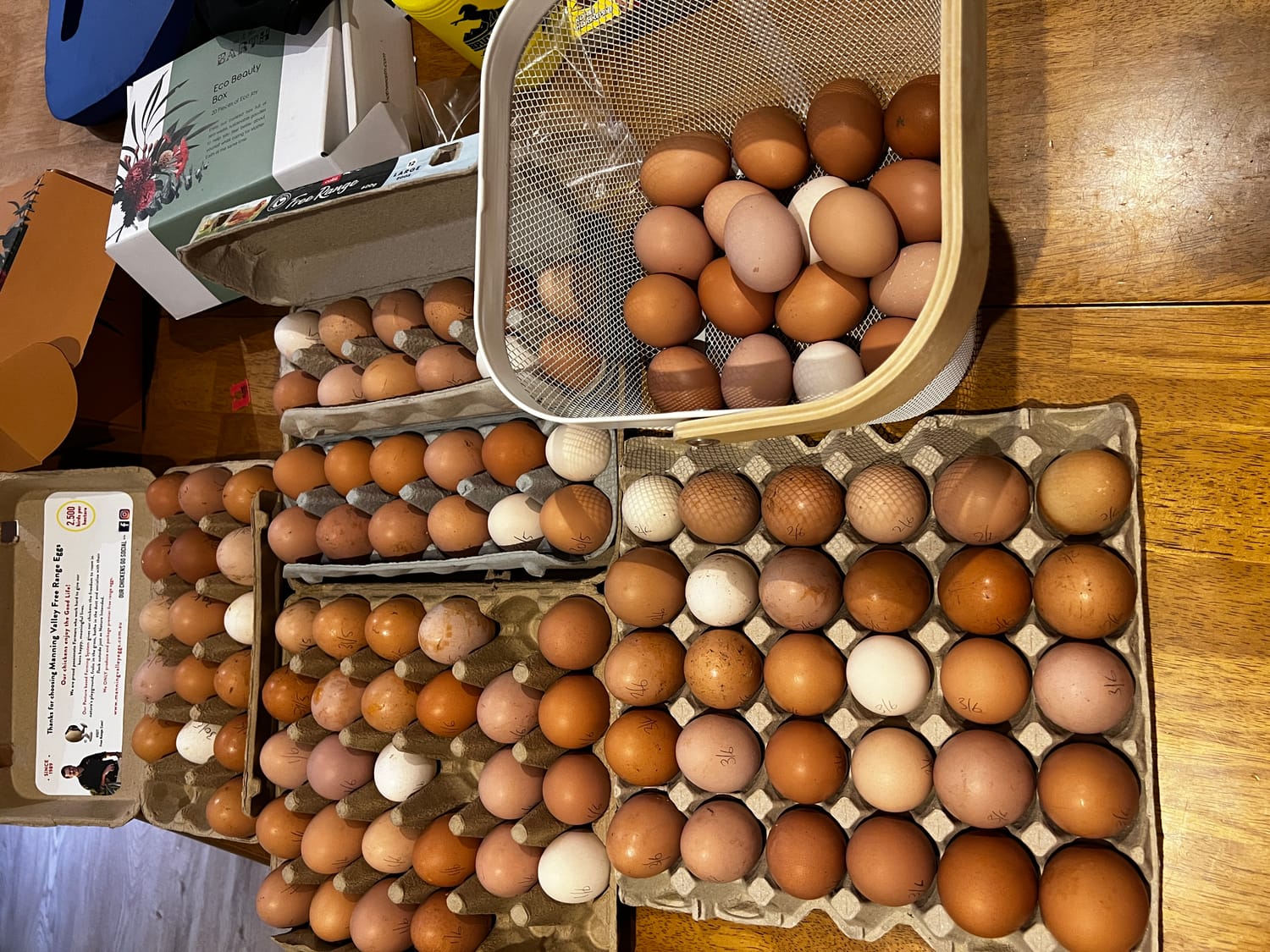
Know when eggs are collected.
Routines remove decision fatigue. You don’t stand there wondering what needs doing.
It just gets done.
☀️ Summer: Harvest, Preserve and Review
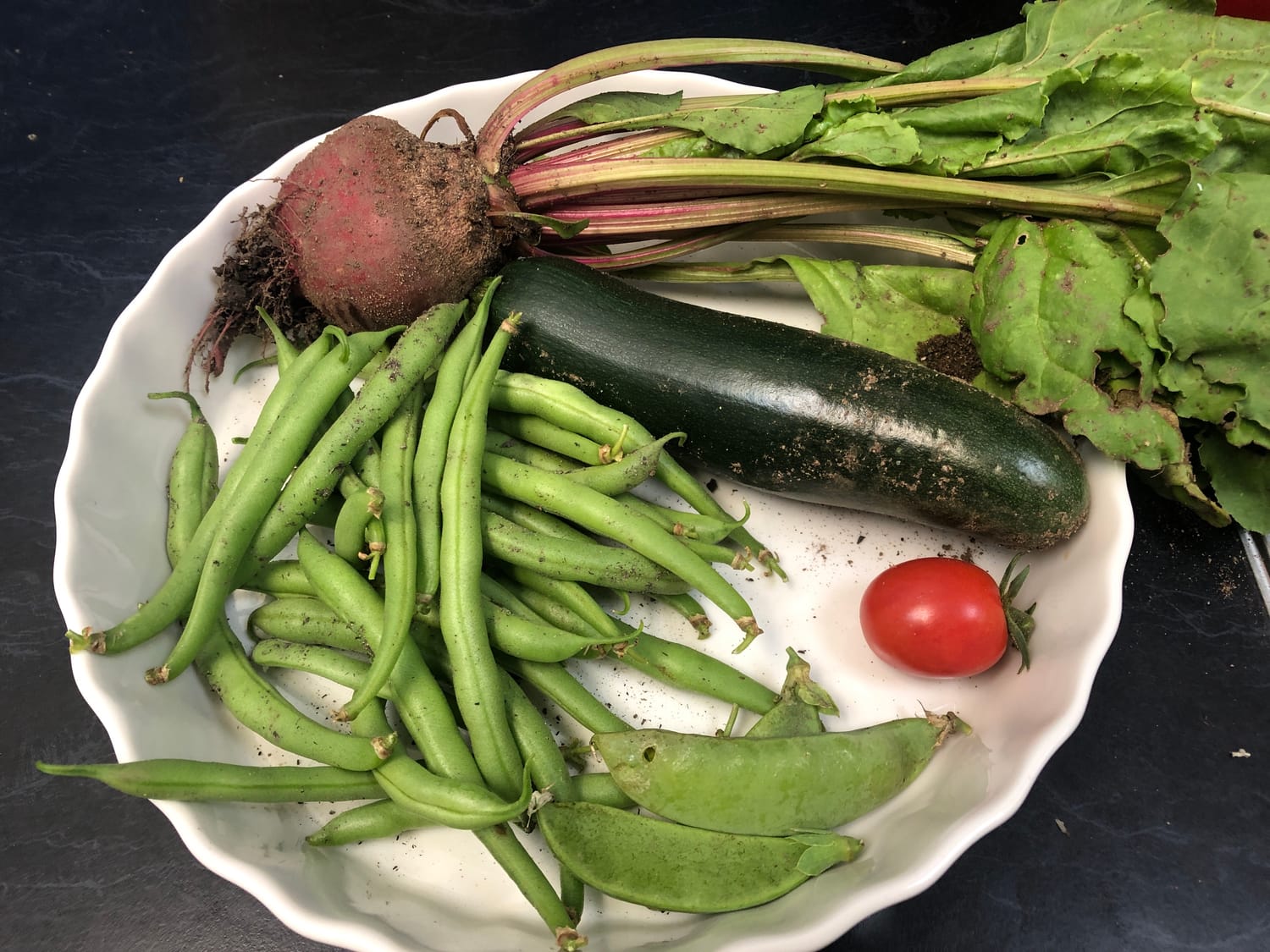
Summer is when you finally see the reward.
If you’ve been consistent since autumn, this is where it starts to feel real.
Harvest and Protect
Watch your:
Water supply
Shade coverage
Pest management
Birds will absolutely take your fruit if you let them. Ask me how I know.
Stay on top of it.
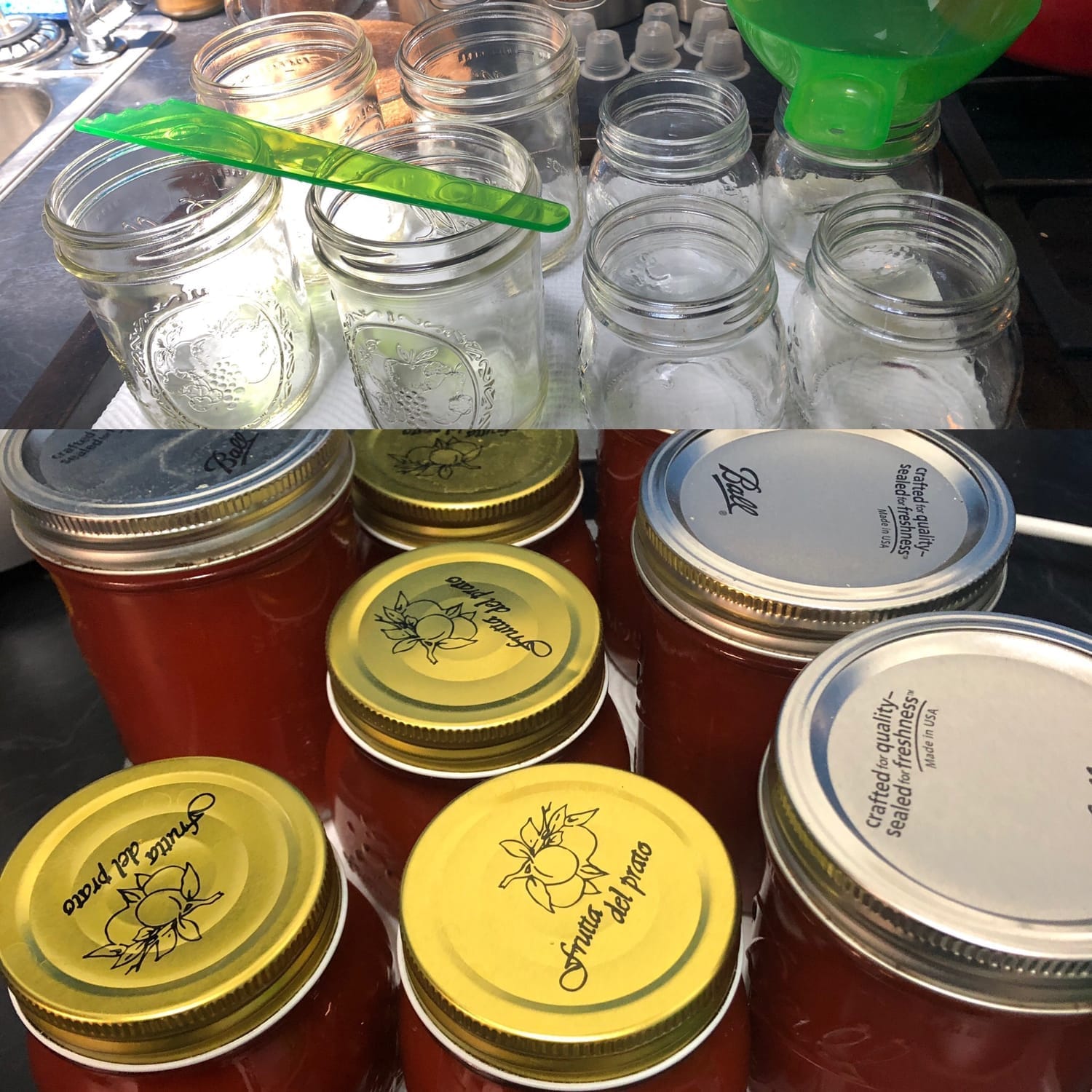
Preserve the Surplus
When produce is abundant:
Make jams
Dehydrate herbs
Bottle tomatoes
Freeze what you can
If you can buy bulk fruit directly from growers at a good price, preserve that too. It’s practical and frugal.
Review Your First Year
What worked?
What didn’t?
What will you never bother with again?
Write it down while it’s fresh.
Keep a journal. Track planting dates. Track yields. Track problems.
Year two should be smarter than year one.
Keep It Small. Keep It Doable.
You will not be fully self-sufficient in 12 months.
Not even close.
And that’s perfectly fine.
If all you achieve is:
Enough tomatoes that you don’t buy them
Fresh eggs every day
One thriving garden bed
That’s a win.
A genuine, hardworking win. Celebrate it. Homesteading isn’t about proving anything. It’s about taking back control of what you can, bit by bit.
Start small.
Work with the seasons.
Build solid foundations.
You are capable of this. Just don’t try to do it all at once.
Want to Ditch the Store and Produce More of Your Own Food?
Join the Mojo Homestead community for practical homesteading tips, backyard chicken advice, seasonal gardening inspiration, and simple ways to build a more self-sufficient lifestyle.
Because every egg you collect yourself is one less reason to rely on the supermarket.


BY MOJO HOMESTEAD